



Wide awake at night but tired in the morning? How to cure insomnia!
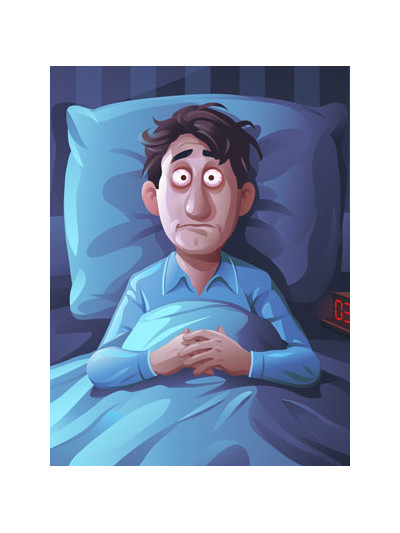
Wide awake at night but tired in the morning? How to cure insomnia!
Every year, the start of winter time or 'standard time' is a virtual slap in the face. The transition from almost no sunlight in the early evening to pitch darkness after six o'clock suddenly becomes overwhelming. You'd think it would be easier to fall asleep then, but the opposite is true.
Since I'm most productive in the evening and sometimes work until after midnight, this means working for six full hours after sunset instead of going to bed early.
Such a work pattern suddenly doesn't fit into a logical sleep/wake cycle at all, and suddenly I had the greatest difficulty falling asleep, tossing and turning in bed, and finally waking up even later than usual.
It didn't help that this week was an unusually tense time for people with a keen interest in politics, because rarely has the election been as close as it was this year. It's not the first time I've had trouble falling asleep, but it usually only occurs in the second sleep phase, not immediately in the first. In spring, the opposite occurs again: I wake up even earlier at the start of summer time, instead of later.
I'm curious if other people experience this, namely that at this time of year you actually go to bed later and wake up later, instead of waking up an hour earlier than the week before.
After searching the literature on summer and winter time (also known as 'Daylight Saving Time' and 'Standard Time') , it appears that both transitions cause problems for people. Not much more can be found on the subject, other than that doctors are opposed to the phenomenon of summer and winter time.
For most people, the expected reverse process applies: they wake up earlier after the switch to Winter Time and later after the switch to Summer Time.
That's why this article will tell you more about sleep disturbance in general and what you can do about it.
We'll also discuss several supplements, other than melatonin, that can improve sleep quality, such as vitamin B12 and magnesium.
Relation between sleep and the transition from Daylight Saving Time to Standard time
Daylight Saving Time officially ended in most Europen countries in the last weekend of October. In theory, "falling back" an hour means an extra hour of sleep.
Winston Churchill once described Daylight Saving Time like this: "An extra yawn one morning in the springtime, an extra snooze one night in the autumn… We borrow an hour one night in April; we pay it back with golden interest five months later."
That’s an overly optimistic view. In reality, many people don’t, or can’t, take advantage of this weekend’s extra hour of sleep. And the resulting shift in the body’s daily sleep-wake cycle can disrupt sleep for several days.
Research teams around the world have tried to determine if losing or gaining an hour of sleep because of Daylight Saving Time make a difference in health. American researchers showed a small increase in heart attacks on the first day (Sunday) of the spring transition to Daylight Saving Time, when we "lose" an hour of sleep. This echoed a Swedish study showing a small increase in heart attacks after the start of Daylight Saving Time and a small decrease at its end.
Other researchers have looked at driving accidents, workplace safety, and even school performance, with mixed results.
Daylight Saving Time and sleep
The focus on gaining or losing an hour of sleep overlooks the bigger picture—the effect of Daylight Saving Time transitions on the sleep cycle. A British scientist concludes that a seemingly small one-hour shift in the sleep cycle can affect sleep for up to a week.
In autumn, only a minority of people actually get that promised extra hour of sleep. During the following week, many people wake up earlier, have more trouble falling asleep, and are more likely to wake up during the night. People who tend to be so-called short sleepers and early risers have the most trouble adjusting to the new schedule.
Similar problems are seen in spring. Again, the adjustment is harder for short sleepers and early risers.
Springing back
Each of us experiences predictable physical, mental, and behavioral changes during the course of a day. These are called circadian rhythms. The daily cycle of light and dark keep them on a 24-hour cycle.
Sleep is a component of circadian rhythms. It is affected by outside influences, like light or Daylight Saving time. It can also affect the body’s other rhythms.
It’s difficult to side-step the effects of Daylight Saving time on sleep. One should be aware that it can take your circadian and sleep rhythms a week or so to get adjusted to the new clock. Regular exercise, preferably at the same time each day, may help get your sleep cycle back on track. Going to bed and getting up on a schedule can help. And giving in to brief afternoon nap or two during the week may be a pleasant and relaxing way to restore lost sleep.
More tips on how to improve sleep when you can't stay asleep at night
Have you ever felt the agony of falling into bed exhausted and excited for a full night of sleep, only to open your eyes wide awake at 2 o'clock in the morning? If you have, you’re not alone—and identifying the reasons you keep waking up at night could be your ticket to a restful sleep.
But first, understand that waking up in the middle of the night is completely normal and part of our human DNA. Nobody sleeps through the night. Even four to six nocturnal awakenings are considered normal. This goes back to our caveman days where one would wake up, scan the environment, make sure there are no tigers, and then go back to sleep.
That last part is key, however: You should be able to go back to sleep. If you can’t, one of the following sleep disruptors may be standing between you and a good night’s rest. Here are the main reasons you keep waking up at night, and exactly how to start snoozing peacefully again.
The urge to pee
Nocturia (nighttime urination) has many triggers, from bladder obstructions to taking diuretics. But if you find yourself waking up two to four times a night to pee even when you limit your evening drinking, your balance of water and electrolytes may be off.
If you consume too much water without enough salt, your body may try to jettison some H20, which may explain why you’re waking up in the middle of the night to pee.
Solution: About 30 minutes before going to sleep, drink a small glass of water with a pinch of unprocessed sea salt. Unprocessed salt helps the water to get into all of our cells. You need to take the salt with water to ensure your body retains both.
A too-hot bedroom
Feeling hot can make it hard to stay (and fall) asleep. “The temperature of the room, what you wear or don’t wear to bed, the sheets and blankets—all figure in to keeping your body at the right temperature,” said Marc Leavey, M.D., a primary care specialist with Mercy Medical Center in Baltimore.
Solution: People can sleep comfortably at a range of temperatures. But a room temp between 15-19°C is ideal for most. Also, try a bath before bed. Taking a warm bath raises your body temperature slightly, while exiting the bathroom triggers a slight drop in temperature—a signal that your brain associates with sleep.
Mild depression
Research has found deep connections between depression and sleep problems. A whopping 75% of people with depression have trouble falling or staying asleep. But because people with mild depression have less severe symptoms, they may be less likely to be diagnosed with sleep issues.
“There’s a complex relationship between sleep and mild depression, and it can be difficult to determine which came first. It’s a vicious circle: depression symptoms set up poor sleep habits that can cause you to stay up or wake up in the middle of the night. And without a good night’s rest, it’s difficult to function at your highest capacity the following day—which manifests as feeling tired, sad, and mildly depressed and sets up the cycle for lack of sleep for the next day.
Solution: Because the symptoms of mild depression can be similar to those many women experience during menopause, it’s important to discuss your mental health history with your doctor or a psychologist to determine whether your depressive symptoms existed prior to menopause or if the hormonal changes triggered or exacerbated them. Your physician will design a treatment plan that includes talk therapy, lifestyle changes, medication, or all three.
Scrolling on your phone
If your bedtime routine involves scrolling through Instagram and TikTok, your updates may be messing with your sleep. Exposing eyes to light during the evening stops the body from making melatonin, the sleep hormone. From tablet screens to smartphones, electronic devices are light sources people tend to hold close to their faces, which may make them potent sleep disrupters.
Solution: Dim your room lights and aim to make your last hour before bed screenless. Too hard? Harvard researchers suggest the blue light emitted from smart phones is the most problematic. Dimming your phone or tablet’s light and holding it at least half a metre from your face makes it less likely to mess with your slumber.
Getting older
Everyone has a biological clock that determines when they get tired at night and when their body wakes up in the morning. But starting around age 40, your clock begins to shift. Researchers aren’t sure exactly why this happens, but the result is that your body will naturally wake up increasingly earlier, decreasing the amount of sleep you’re getting.
By the time you hit your 60s, you could be waking up two hours earlier than you did in your 30s.
Solution: Move up your bedtime to accommodate your body’s new sleep schedule. If you’re worried that you’ll lie awake because you’re going to bed earlier than you’re used to, you’re probably naturally getting tired earlier, but it’s easy to ignore or not notice the sleepiness if you’re used to staying up late. Most older people find that when they start getting into bed earlier, they fall asleep easily.
Drinking alcohol before bed
While that second cocktail may make you sleepy, it may also disrupt your restful night’s sleep. Alcohol has a sedative effect that, if you drink enough, can put you to sleep quite easily. Over the first few hours, you metabolize that alcohol, with the alcohol producing a form of sleep that can prevent the healthy rapid eye movement sleep that is most restful.
This lack of REM sleep will make the second half of your night restless and fragmented.
Solution: The best cocktail to drink before bed? It doesn’t exist. If you are going to drink, you may not be able to sleep. There’s a reason “happy hour” is early in the evening.
Take it easy on the booze and quit drinking a few hours before you go to bed, and you’ll give your body time to metabolize the alcohol before you try to sleep.
Sleep apnea
About five times as many people suffer unknowingly from sleep apnea than those that are officially diagnosed.
This condition, which causes a person to stop breathing repeatedly during the night—sometimes hundreds of times, for a few seconds to a full minute—and then briefly wake up, is just as likely to develop in women as men.
But because women often have different symptoms from men, many cases go undiagnosed. Snoring, a major tip-off that men have the disorder, is less common in women.
They’re more likely to develop symptoms related to being sleep deprived, such as difficulty thinking of the right word, clumsiness, fatigue, depression, or anxiety.
Solution: If you notice these symptoms, tell your doctor. To determine whether you have a sleep disorder, you’ll likely undergo a sleep test—either in a lab or at home—during which you’ll be monitored for breathing and oxygen levels throughout the night. The most common treatment for apnea is a CPAP (continuous positive airway pressure) machine, which helps maintain airflow while you sleep.
Breathing problems
While sleep apnea is the most serious breathing issue that disrupts sleep, there are other issues that can clog or narrow your airway to a similar effect, such as a deviated septum, nasal polyps, large tonsils, or enlarged adenoids.
Solution: It won’t treat the underlying issue, but lying on your side may help you sleep better—breathing problems tend to worsen when you sleep on your back. If this doesn’t help, make an appointment to see an ear, nose, and throat specialist. The typical course of action is a physical exam to see if there’s a blockage in your nose or throat.
The fix may be something simple like a nasal breathing strip or a device to help you breathe (such as a CPAP machine), though in some cases, surgery is recommended.
Thyroid problems
An overactive or underactive thyroid gland could be setting off a domino effect of hormone imbalances that make it hard to fall asleep or stay asleep. When a thyroid is overactive, your heart races, your adrenaline surges, and you can have insomnia and anxiety. Out of 100 people with hypothyroidism (an underactive thyroid), 74 people had some degree of sleep apnea.
And yet, it can be tough to pinpoint a thyroid disorder as the underlying cause of sleep problems. That’s because the other symptoms that accompany such disorders—like depression, weight loss or gain, anxiety, and gastrointestinal issues—can seem unrelated to sleep. Plus, up to 60% of people with thyroid disease are unaware of their condition, making it even more difficult to make the connection.
Solution: your doctor can confirm or rule out a thyroid disorder by ordering a series of blood tests: TSH (thyroid-stimulating hormone), free T4, free T3, reverse T3, and thyroid antibodies. In the past, physicians tested only for TSH, but getting all five numbers provides a more accurate assessment of how your thyroid is functioning.
From there, prescription medications can help get your hormone levels back to where they should be, but lifestyle changes like improving your diet—for instance, eating more foods high in iodine, selenium, and zinc, which your thyroid needs to work properly—can make a significant impact as well.
Stress
Stress and worry can make it difficult to relax, robbing us of a good night’s sleep. That’s because stress activates parts of your brain associated with attention and arousal, which can cause a “vicious circle” of stress-related insomnia. Stress has a significant impact on sleep quality.
Solution: Stress-reduction interventions, such as mindfulness meditation and progressive relaxation, have demonstrated some effectiveness for sleep disturbances, including frequent awakenings from stress. People with serious stress-sleep issues may benefit from psychotherapy, such as cognitive behavioral therapy to help your brain get control of the stress-based thoughts that can wake you while you snooze.
Acid reflux
This condition, in which acid backs up from your stomach into your esophagus, may affect your sleep whether or not it results in heartburn. With heartburn, the discomfort wakes you up. But even if you don’t feel a burning sensation, the acid in your esophagus triggers a muscular reflex to clear it, which can disrupt sleep. This helps explain why people with reflux experience generally poor sleep quality.
Solution: Lifestyle changes like eating smaller meals, not eating late at night, and losing weight can go a long way toward preventing acid reflux, and occasional bouts can be handled with antacids and other over-the-counter drugs. If it becomes a regular occurrence, consult your doctor.
There could be other factors causing reflux—for example, cardiac disease can sometimes lead to heartburn-like symptoms—and a doctor can better diagnose the condition and direct the treatment.
Acting as a caregiver
Taking care of a relative or friend has its own set of stressors that can disrupt sleep. Caregivers take longer to fall asleep and get less total sleep time than non-caregivers. Being a caregiver is tough on your mental health. If your loved one is ill or has dementia, you may become sad and anxious, which affects sleep.
Solution: You need peace of mind to sleep restfully. So taking steps to reduce your nighttime anxiety is key. If you’re worried about a loved one falling down on the way to the bathroom, get a bedside commode or install low-level lighting to brighten the path. Hiring a nighttime attendant or asking a friend or family member to take the late shift a few times a week can also help.
Excess weight
Excess weight lands you at a higher risk of sleep disturbances, and that risk continues to increase the more extra weight you carry. This can create a vicious cycle, as disrupted sleep has also been linked to more weight gain.
Solution: Just as poor sleep and weight gain reinforce each other, so too do restful sleep and weight loss. Taking steps to lose weight, such as moving more and minimizing processed foods, along with steps to improve your sleep hygiene, such as establishing a consistent bedtime routine (along with many of the other solutions on this list), can help.
People who got fewer than 6.5 hours of sleep per night and were able to increase their sleep duration by over an hour reduced their calorie intake by 270 calories per day.
Vitamin D deficiency
Research shows that up to 40% of U.S. adults have a vitamin D deficiency, a problem that’s linked to cardiovascular disease, cancer, and weaker bones, as well as poor sleep. Vitamin D deficiency is associated with sleep disorders and poor sleep quality. The findings aren’t surprising considering that vitamin D seems to have a direct effect on parts of your brain that play a role in sleep.
Solution: Your body produces vitamin D when your skin is directly exposed to the sun, but you can’t always get your daily value of 600 international units (IU) that way—especially in the winter or if your skin is darkly pigmented.
If you’re deficient, which your doctor can determine with a blood test, you can boost your levels by eating foods rich in vitamin D, like trout, salmon, canned tuna, milk, yogurt, and mushrooms. But since most people don't get enough through diet, a supplement may be necessary. Take at least 1,000 IU (25mcg) of vitamin D a day, as well as 500 milligrams of magnesium at night to boost absorption of the vitamin.
A less-than-positive attitude
The more favorably you look upon sleep—believing it makes you happy and that you feel refreshed after a full night of rest—the longer you’ll actually sleep every night.
Solution: If you have trouble convincing yourself that sleep is something your body needs, which can help ensure that you get enough, try keeping a sleep log. Include how much sleep you got and how you felt throughout the day: how happy you were, how easy it was to concentrate, how hard the afternoon slump hit you.
Sleep isn’t a luxury. And seeing the truth in black and white can help you understand the impact sleep has on your mood and energy.
Effect of vitamin B12 on sleep
Methylcobalamin, the active form of vitamin B12, has a significant influence on sleep and circadian rhythms. It can reduce sleep time and promote a more alert state, particularly when taken in higher doses.
This effect is linked to its ability to lower melatonin levels especially in the morning.
Methylcobalamin also increases activity during the night (11pm-7am) and improves subjective feelings of alertness, concentration, and being refreshed, with these changes correlating with plasma vitamin B12 levels.
Furthermore, methylcobalamin enhances the body's response to melatonin, amplifying melatonin-induced circadian phase shifts by increasing melatonin synthesis in the pineal gland during the early subjective night.
This mechanism may help correct circadian misalignment, such as in delayed sleep phase syndrome and non-24-hour sleep-wake syndrome, where patients have experienced improvements in sleep onset and cycle duration after high-dose methylcobalamin treatment.
It also appears to improve the quality of sleep and help normalize cortisol secretion patterns disrupted by stress, although it does not alter total cortisol levels.
Given its stimulating effects, it is recommended to take methylcobalamin in the morning to avoid potential interference with sleep.
Effect of magnesium on sleep
Magnesium may have several beneficial effects on sleep by promoting relaxation, improving sleep quality, and addressing underlying issues that disrupt sleep. Higher levels of magnesium in the body are associated with better sleep, longer sleep times, and reduced daytime tiredness.
It helps calm the central nervous system by increasing levels of gamma-aminobutyric acid (GABA), a neurotransmitter that reduces brain activity and promotes relaxation.
This calming effect may help individuals fall asleep faster and stay asleep longer.
Magnesium plays a role in regulating melatonin, the hormone that controls the sleep-wake cycle, and may enhance its production, particularly in older adults.
A clinical trial found that magnesium supplementation significantly decreased sleep onset latency and improved sleep efficiency and duration in elderly individuals with insomnia.
Another study showed that 500 mg of elemental magnesium daily for eight weeks improved sleep duration and reduced sleep latency in older adults.
Magnesium may also alleviate symptoms of restless leg syndrome (RLS), a condition that causes uncomfortable sensations in the legs and disrupts sleep, by relaxing muscles.
It can help reduce anxiety and depression, which are linked to poor sleep quality and insomnia.
A review of three small studies found that magnesium supplementation boosts natural melatonin production and helps older adults fall asleep quicker and stay asleep longer.
Different forms of magnesium may offer specific benefits.
Magnesium L-threonate (MagMind) has high brain bioavailability and may improve deep and REM sleep stages, mood, energy, and alertness.
While magnesium citrate is effective, it has a laxative effect, and magnesium oxide may be less suitable for sleep due to its gastrointestinal side effects.
Magnesium glycinate is known for its calming properties and may help reduce stress and anxiety that interfere with sleep.
This calming effect is due to the synergistic action of magnesium and glycine, an amino acid that also has a soothing influence on the brain.
Studies have shown that magnesium supplementation, including magnesium glycinate, can lead to faster sleep onset, longer sleep duration, improved sleep efficiency, and better overall sleep quality.
It may also increase slow-wave sleep (the opposite of REM-sleep), which is crucial for restorative rest.
Magnesium glycinate is highly bioavailable and gentle on the stomach, making it less likely to cause gastrointestinal side effects compared to other magnesium supplements.
While generally safe, excessive intake may lead to mild side effects such as drowsiness or diarrhea.
Although evidence supports magnesium's potential to improve sleep, particularly in those with a deficiency, not all studies show definitive results, and individual responses can vary.
The recommended daily intake for adults ranges from 310–320 mg for women and 400–420 mg for men, though sleep-specific dosages are not officially defined.
Taking magnesium about an hour before bedtime may allow sufficient time for it to bind to GABA receptors and relax muscles.
It is generally considered safe for most people, but consulting a healthcare provider is advised for those with kidney issues or on certain medications.
Summary
The end of Daylight Saving Time (DST) in late October offers an "extra" hour but often disrupts circadian rhythms, leading to poorer sleep quality for up to a week. Studies link the spring "loss" of an hour to slight increases in heart attacks and accidents, while fall shows mixed benefits. Short sleepers and early risers adjust hardest.
Tips: maintain consistent bed/wake times, exercise regularly, and take short naps.
Normal awakenings (4-6x/night) are fine if you fall back asleep; issues arise from nocturia (add salt to water pre-bed), hot rooms (cool to 15-19°C, warm bath), mild depression (therapy/lifestyle), screens (dim lights, screen-free hour), aging (earlier bedtime), alcohol (stop 3+ hours pre-bed), sleep apnea/breathing issues (doctor for CPAP/test), thyroid imbalances (blood tests/diet), stress (meditation/CBT), acid reflux (small meals, antacids), caregiving (practical aids), excess weight (exercise/diet), vitamin D deficiency (sun/food/supplements), or negative attitudes (sleep log).
Vitamin B12 (methylcobalamin): stimulates alertness, lowers melatonin (take mornings); aids circadian shifts in disorders like delayed sleep phase.
Magnesium: boosts GABA/melatonin for relaxation, faster onset, deeper sleep; forms like glycinate best (310-420mg/day, 1hr pre-bed).
