



How Heart Rate Variability can be an indicator of your well-being
Sep 7, 2025ir. Yvana van den HorkRelaxation and sleep, Mood, Inflammation, Antioxidants, Lifestyle & fitness, Athletes, Blood sugar, Brain, Heart & cardiovascular health, Anti-aging
How Heart Rate Variability can be an indicator of your well-being
A few weeks ago I wrote about the usefulness of a wearable device for monitoring health.
Among the variables that can be measured is the heart rate variability. Let's repeat the information in that article.
The pandemic and subsequent vaccine rollout have created an unprecedented demand for cardiac monitoring devices. Wearables have become essential diagnostic tools for detecting heart rate irregularities that might otherwise go unnoticed.
Cardiologists are seeing an enormous amount of inappropriate tachycardia.
Tachycardia is the medical term for a heart rate over 100 beats a minute. Many types of irregular heart rhythms, called arrhythmias, can cause tachycardia.
A fast heart rate isn't always a concern. For instance, the heart rate usually rises during exercise or as a response to stress.
Tachycardia may not cause any symptoms or complications. But sometimes it's a warning of a medical condition that needs attention. Some forms of tachycardia can lead to serious health problems if left untreated. Such problems may include heart failure, stroke or sudden cardiac death.
What is Heart Rate Variability (HRV) and why does it matter?
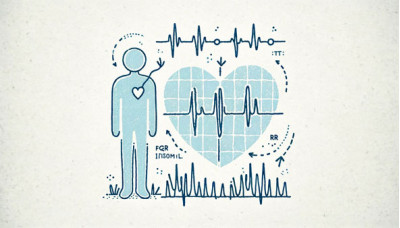
Heart Rate Variability, also known as HRV, represents the variance in time between every heartbeat. So while your Heart Rate measures how many times your heart beats per minute, HRV is the variance in time between those beats.
Your heart rate variability is an important expression of how well you are able to deal with and recover from stress, whether that is a physical stressor (like exercise or illness) or an emotional and mental stressor (like anxiety). Increasing your heart rate variability means sleeping better, reducing pain, and improving your overall health and fitness.
What does a HRV score mean?
Your individual heart rate variability is represented by your HRV Score. HRV is typically measured in milliseconds with a higher HRV score indicating better health.
To understand why a high HRV score is an indication of good health, you have to know that heart rate variability is controlled by the autonomic nervous system (or ANS). The autonomic nervous system regulates involuntary body functions (like digestion, blood pressure, breathing, and heart rate) and is made up of two branches- the sympathetic nervous system ("fight or flight mode") and parasympathetic nervous system ("rest, digest, and recovery mode").
The sympathetic nervous system, commonly known as the "fight or flight" mode, is activated involuntarily when your body perceives a threat. In order to protect itself, the body utilizes the sympathetic nervous system to accelerate breathing, increase blood pressure, and elevate stress hormones like cortisol to make sure you have all the energy and resources necessary to keep yourself safe in a dangerous situation.
The parasympathetic nervous system, the "rest and digest" mode, is the state of relaxation. It decreases your heart rate, slows breathing, and allows your body to return to homeostasis (a natural balance). When you are in a parasympathetic state, your body feels safe reallocating blood flow and energy to restorative functions such as sleep, digestion, and reproduction.
Therefore, a high variance in time between your heartbeats, aka a high HRV score, means that your autonomic nervous system is able to react efficiently by turning on the sympathetic nervous system to deal with stressful situations and then switching to the relaxed parasympathetic state when the threat has passed.
HRV measures your heart’s resilience to stressors
It’s important to understand that your autonomic nervous system controls both your body’s sympathetic nervous system (SNS) — the part that triggers your “fight-or-flight” response — as well as its parasympathetic nervous system (PNS), which triggers the relaxation response.
Any type of external stressor — everything from an argument with a loved one to a night of lost sleep — will prompt a reaction from the ANS, which signals to your brain’s hypothalamus to either ramp up into overdrive or calm down.
Your autonomic nervous system responds not only to a poor night of sleep, or that sour interaction with your boss, but also to the exciting news that you got engaged, or to that delicious healthy meal you had for lunch.
Our body handles all kinds of stimuli and life goes on. However, if we have persistent instigators such as stress, poor sleep, unhealthy diet, dysfunctional relationships, isolation or solitude, and lack of exercise, this balance may be disrupted, and your fight-or-flight response can shift into overdrive.
HRV is typically analyzed using an electrocardiogram, or EKG, which can reveal that something’s off with your ANS. If you have low variation between heartbeats, it may signal that you’re stuck in fight-or-flight mode, whereas high variation between beats tends to signal a more relaxed state.
Many wearable devices are also available to track your HRV. While they may not be as accurate as an EKG, they may still provide useful data, especially if you notice your HRV worsening over time.
HRV is an indicator of heart health
When you’re healthy, the two branches of your ANS — the SNS and PNS — are well-balanced. An imbalance in your SNS and PNS may be an indicator of heart disease. This has been appreciated since at least 1987, when researchers found decreased heart rate variability was associated with increased risk of death after a heart attack.
The relative risk of mortality was 5.3 times higher in the group with HR [heart rate] variability of less than 50 ms [milliseconds] than the group with HR variability of more than 100 ms,” the team wrote.
Prior to this, in 1965, researchers found that changes in heart rate variability occurred prior to fetal distress, even before changes occurred to the heart rate itself, signaling HRV’s clinical importance.
It’s since been confirmed that a reduction in HRV is often seen in heart-related, and non-heart-related, conditions. For instance, depressed HRV after myocardial infarction may reflect a decrease in vagal activity directed to the heart, which leads to prevalence of sympathetic mechanisms and to cardiac electrical instability.
Reduced HRV is also often seen in cases of heart failure, and it’s associated with levels of C-reactive protein (CRP), a measure of inflammation, in the blood.
HRV may predict progression of disease development
HRV is a measure of your heart’s ability to respond to physiological and environmental stress stimuli. In short, a high HRV is a sign that your body is handling the stress well, whereas a low HRV indicates your body is under stress and at risk of disease or injury if proper balance isn’t restored.
Whether by influencing inflammation or by other mechanisms, HRV has been associated with a range of diseases, in some cases predicting subsequent problems and in others being an index of disease progression.
As a generalization, a healthy biological system tends to be both variable and complex, characteristics that decline with disease. Irrespective of disease, HRV declines with age, reaching, in some older than 65 years of age, levels that are a risk factor for mortality.
HRV has been linked to obesity and found to predict cardiac morbidity and mortality in people with diabetes, as well, and it’s been suggested that this is reflective of an impairment in ANS functioning that occurs early in the disease and gets progressively worse over time. HRV is also linked to mental health, with reductions seen a variety of psychiatric conditions, including:
- bipolar disorder
- anxiety
- post-traumatic stress disorder
- schizophrenia
Given the links between HRV, emotion regulation and executive functioning it has been proposed that HRV is a transdiagnostic biomarker of mental illness.
(Executive functioning refers to a set of higher-level cognitive skills that enable individuals to manage their thoughts, behaviors, and emotions to achieve goals.)
Along these lines, a link was discovered between HRV and resilience to stress across the lifespan.
Among people who were severely mistreated as children, those with higher HRV recovered from grief faster later in life after losing their spouse compared to those with lower HRV.
Brain health is also affected. Lower HRV is linked to poorer cognitive performance, and one study found it’s also associated with postoperative cognitive dysfunction (POCD), a type of cognitive impairment that occurs after surgery, and could even be used as an indicator of POCD risk.
Lifestyle affects HRV for better or worse
While disease processes are associated with HRV, so, too, are lifestyle choices, which suggests you can influence your HRV for better or for worse.
Omega-3 fats, B vitamins, probiotics, polyphenols, exercise and weight loss may benefit HRV, both in the short- and long-term, while consuming trans fats and high-glycemic carbohydrates may reduce it.
HRV is a risk for, or a marker of, a wide range of disorders. As such, any intervention that impacted positively on HRV has the potential to benefit health, whereas smoking cigarettes and drinking alcohol negatively influenced HRV.
Even exposure to light at night may influence HRV. In a study of 20 healthy young adults revealed that just one night of sleep with moderate light exposure increased nighttime heart rate, decreased HRV and increased next-morning insulin resistance.
A single night of exposure to room light during sleep can impair glucose homeostasis, potentially via increased SNS activation.
Sauna bathing, controlled breathing improve HRV
While exercise is known to benefit HRV, sauna bathing can be used as an exercise mimetic (i.e., an exercise-mimicking tool) to benefit your health. This is evidenced, in part, by its ability to improve autonomic nervous system balance and HRV after just one session.
In a study of 93 people with a mean age of 52 and risk factors for heart disease, HRV data were analyzed before, during and after a 30-minute sauna session, revealing significant benefits:
“Time and frequency-domain HRV variables were significantly modified by the single sauna session, with most of HRV variables tending to return near to baseline values after 30 min recovery. Resting HR was lower at the end of recovery (68/min) compared to pre-sauna (77/min).
A sauna session transiently diminished the vagal component, whereas the cooling down period after sauna decreased low frequency power and increased high frequency power in HRV, favorably modulating the autonomic nervous system balance.
This study demonstrates that a session of sauna bathing induces an increase in HR. During the cooling down period from sauna bathing, HRV increased which indicates the dominant role of parasympathetic activity and decreased sympathetic activity of cardiac autonomic nervous system.”
Controlled breathing, including nasal breathing is another important facet. One review suggests “autonomically optimized respiration” occurs with six to 10 breaths per minute and diaphragmatic activation.
“Nasal breathing is also considered an important component of optimized respiration. This is easily achievable in most individuals with simple practice and there is yet to appear in the literature any documented adverse effects of respiration in the 6-10 breaths per min range.
Controlled, slow breathing appears to be an effective means of maximizing HRV and preserving autonomic function, both of which have been associated with decreased mortality in pathological states and longevity in the general population.”
Other methods to improve HRV
Remember, low HRV isn’t a disease in itself but rather an indicator that your body’s resilience to stressors is down. Just as positive changes like controlled breathing, exercise and sauna usage can improve it, exposure to toxins and other stressors can worsen it.
For instance, exposure to radiofrequency electromagnetic field has been found to affect HRV in animal studies.
A sedentary lifestyle is also linked to worsened HRV:
Sedentary lifestyle in women induces impairment in autonomic cardiac modulation at rest and in response to physiological stress, compromising the quality of life, even before altering any cardiovascular or metabolic clinical parameters, reinforcing the potential role of HRV as early marker of cardiovascular risk in this population.
On the other hand, stress-reduction techniques are beneficial to HRV. Use of a Tibetan singing bowl, for instance, which is often used for meditation and deep relaxation, increased the relaxation response and HRV among people in a high state of anxiety.
So, as you take steps to reduce stress, eat healthy and stay active, your HRV will likely improve along with the rest of your mental and physical health.
People who have a high HRV may have greater cardiovascular fitness and may be more resilient to stress. HRV may also provide personal feedback about your lifestyle and help motivate those who are considering taking steps toward a healthier life.
You might see a connection to HRV changes as you incorporate more mindfulness, meditation, sleep, and especially physical activity into your life. For those who love data and numbers, this could be a way to track how your nervous system is reacting not only to the environment, but also to your emotions, thoughts, and feelings.
Short summary
- HRV measures the variations in time between your heartbeats — a function controlled by your autonomic nervous system (ANS)
- HRV is typically analyzed using an electrocardiogram, or EKG, which can reveal that something’s off with your ANS
- If you have low variation between heartbeats, it may signal that you’re stuck in fight-or-flight mode, whereas high variation between beats tends to signal a more relaxed state
- HRV has been linked to heart health, obesity, diabetes, inflammation, psychiatric conditions, cognitive function and more
- Lifestyle factors, including diet, exercise, sauna usage and controlled breathing, can benefit HRV
To the main pageNext article
