


Should you exercise when sick? Is exercise or rest the best medicine?
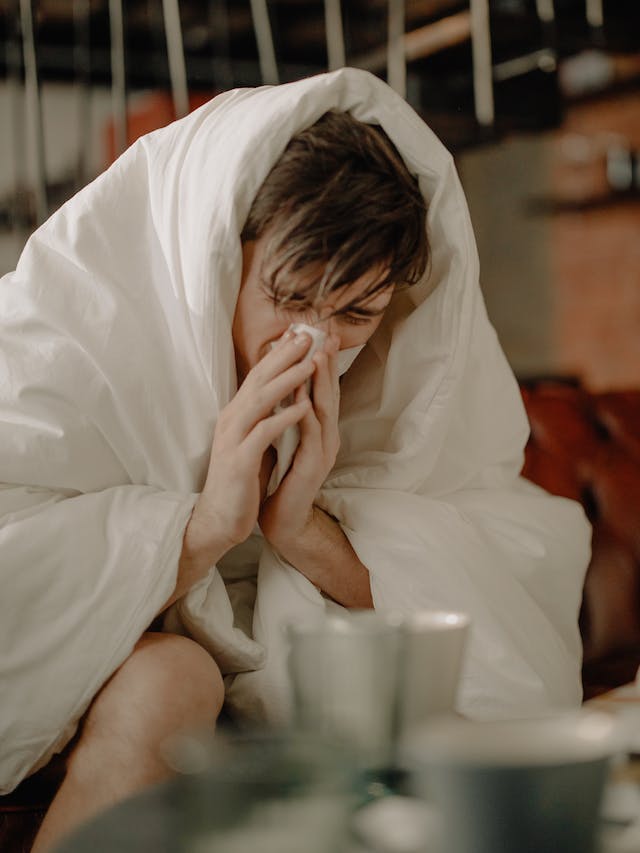
Should you exercise when sick? Is exercise or rest the best medicine?
We hope you had a festive and, above all, peaceful New Year's Eve. Nor made a mistake about which day of the week it was during this confusing time of year when weekdays become Sundays and Tuesdays feel like Mondays etcetera. It's quite funny to experience how many of us, myself included get the week day wrong.Less comical is the fact that many people have caught a cold or flu during a party or short holiday trip. How does this combine with one of the most popular New Year's resolutions to exercise more?
Is that even possible when you are ill?
Should you exercise when sick?
Everybody gets sick. But it's tough to know what to do about it. Is exercise or rest the best medicine? Should you sweat it out or rest and recover? Let's find out.When the body is faced with foreign attack our immune system works hard to defend us.
Every day bacteria, viruses fungi and parasites come at us. It's a germ jungle out there. And the most common invaders cause colds, coughs, influenza, tonsillitis, sinusitis, throat infections, or ear infections.
Characteristics of our innate natural immunity
- physical structure barriers like mucous lining in nasal passage
- chemical barriers like stomach acid
- protective cells like our natural killer (NK) cells, white blood cells that can destroy harmful invaders
Characteristics of our adaptive immunity
- specialized white blood cells have a kind of memory , they recognize a specific pathogen and mobilize more effectively to fight it
- acquired immune response is the basis for vaccinations. Subject your body to a tiny dose of a pathogen, and it will know what to do when confronted with a bigger dose.
How exercise affects the immune system
- brief vigorous exercise doesn't cause immune suppressing effect
- moderate intensity exercise session up to an hour can boost immunity
- prolonged vigorous exercise session of over 2 hours depresses the adaptive immune system
- chronic resistance training stimulates innate immunity
- chronic moderate exercise strengthens adaptive immunity
- being sedentary or exercising too much can lower immunity, while moderate intensity training can improve immunity
Other factors affecting immunity are
Stress: a big factor that affects the immune system. If you're sick and fighting an infection, your immune system will already be stressed. If you add the stress of prolonged vigorous exercise, you might overload yourself.Interleukin-6: a compound released after prolonged intensive exercise leading to fatigue, flu-like symptoms, and depressed mood
Age: our innate immune response can break down as we get older. But staying physically active and eating a nutritious diet can offset many of these changes.
Gender: estrogens generally enhance immunity while androgens can suppress it. This may explain why women tend to do better with colds than men.
Sleep: poor quality sleep and/or prolonged sleep deprivations jeopardizes immune function.
Climate: exercising in a hot or cold environment doesn't appear to be that much more stressful than exercising in a climate controlled environment (but extreme weather conditions do!)
Mood: immune alterations affect mood and inflammation
Training age: a higher level of fitness is protective as it may limit stress response to exercise.
Should you work out when you're sick
No, because- you won't be able to train hard enough to be beneficial
- you'll spread whatever you have to everyone in the gym
- your body needs as much energy as possible to recover quickly
- you won't lose much progress if you miss a few days
- it's better to recover faster and get back to training hard
but.. you can if
- you don't have a fever
- you can exercise at home or can keep a distance from other people
- your symptoms are localized only in your head not throat, chest or body
- you stay well hydrated and sleep enough
Activities to consider when you're sick: walking, jogging, swimming, biking, qi gong, tai chi, yoga
Activities to avoid when you're sick: heavy strength training, endurance training, high intensity interval training, sprinting or power activities, exercise in extreme temperatures
What you should do
If you feel healthy and simply want to prevent getting sick:- stay moderately active most days of the week
- if you participate in high-intensity workouts, make sure you're getting enough rest and recovery time
- manage extreme variations in stress levels, get plenty of sleep and wash your hands
- consider all the stress you're managing in your life
- with a cold or sore throat without a fever or body aches, easy exercise is fine as tolerated. You probably don't want to do anything vigorous no matter how long in duration
- if you have a systemic illness with fever, elevated heart rate, fatigue, vomiting, diarrhea, muscle and joint pain or weakness, and enlarged lymph nodes, get some rest! If you have a serious virus and you exercise, it can cause problems.
Guidelines for exercising when sick
Day 1 of illnessYou may exercise when you experience one or more of those symptoms: sore throat, coughing, runny or congested nose
Type of exercise: only low intensity
You should NOT exercise when you experience one or more of those symptoms: muscle/joint pain, headache, fever, malaise, diarrhea, vomiting
Type of exercise: NO exercise
Day 2 of illness
You may exercise when you experience one or more of those symptoms: no fever, no malaise and no worsening of 'above the neck' symptoms
Type of exercise: light exercise by yourself, indoors up to 45 minutes. Pulse should stay below 150 bpm.
You should NOT exercise when you experience one or more of those symptoms: body temperature higher than 37.5-38°C, diarrhea, vomiting
Type of exercise: NO exercise
Day 3 of illness
You may exercise when you experience one or more of those symptoms: no fever, no malaise and no worsening of initial symptoms
Type of exercise: light exercise by yourself, indoors up to 60 minutes. Pulse should stay below 150 bpm.
You should NOT exercise when you experience one or more of those symptoms: fever and symptoms still present
Type of exercise: NO exercise and advise to consult doctor
Day 4 of illness
You may exercise when you have no fever and other symptoms have improved
Type of exercise: wait 24 hours, then return to exercise
You should NOT exercise when there is no symptom relief and/or new symptoms appear
Type of exercise: NO exercise and SEE YOUR DOCTOR!
Some illnesses can indicate serious infections. If you aren't feeling better and recovering, see your doctor.
Ease back into exercise in proportion to the length of your sickness. If you were sick for 3 days, take 3 days to ease back in.
Tips for exercising when sick
- exercise at home to avoid spreading germs
- if you do hit the gym, wash your hands and keep your distance
- try lower weight and more reps
- try a light elliptical workout for 20-30 minutes
- reduce the intensity and duration of your workout
- stay hydrated
- do NOT do vigorous intense workouts
- do NOT exercise for a longer than your normal routine
- do NOT exercise with a fever
Tips for people aching to go back to training
It's important to start slow:- start with indoor workouts so it's easy to stop and rest when needed
- gradually increase the frequency of workouts
- following with increasing the duration of individual training sessions
- the final step is to up the intensity of the workout
- each athlete is different so the time will vary for each individual regarding a full return to training
Every athlete should be encouraged to monitor their training performance and well-being carefully after returning from illness to ensure their complete recovery. For those who struggle with taking time off of training, a lost day here and there is not the end of the world. Considering the risks involved with pushing your body through illness and training, you may end up losing more time if your sickness gets worse.
Tips from a pro triathlon trainer to plan your comeback
Depending on the severity of the illness, be symptom-free for 24-48 hours. Initial training after that should be easy, aerobic, and short in duration. Think of the first two to three days as opening up the body to get it moving. Like warming up an engine.
This testing period not only ensures you are truly over the illness, but it also prevents injury.
If you still feel major symptoms, intensity out of the gate can set you right back.
And if you’ve missed four to five days of training, your muscles may be rested, so a hard effort on day one can create a lot of soreness, risking injury and setting training back even longer.
After the test days, if you are feeling pretty good and you want to get back into your preplanned training routine, temper the planned interval sessions by taking them down a training zone while making the recovery portion slightly more active.
If you have missed two to five days of training, don’t panic. Your fitness has not significantly changed. If you are getting close to race season, you may look at rescheduling some of the key sessions that were missed. This is where it’s helpful to sit with your coach and tinker with your upcoming two weeks of training.
If you have missed six to 14 days of training, you may have to look at your overall progression and take a step back within the training progression (mesocycle). Hit rewind for one to two weeks prior to the onset of the illness (the longer you are out, the longer you hit rewind).
Replicate the general framework of training you did prior to getting sick before progressing to the next planned step of your training schedule.
If you have a big race coming up, that can be a tougher call. Assuming you don’t have flu, fever, or chronic coughing or bronchitis, you could consider a very short tempo “tester” effort the day before the race, to see if your body is ready. Race pacing strategy should be more conservative as well. Think of a building effort. And note that your risk of getting sick after the event is quite high. You should always consult your doctor before considering racing.
While getting sick is never fun, you can take pride in being as professional as possible in returning to action without causing further setbacks. Follow these basic guidelines to minimize risk and reduce loss of fitness.
Final remarks
We hope you will be able to take advantage of the tips above.
Don't underestimate the severity of illness when it comes with a fever. Also, when addicted to sports, be considerate of others when you are a member of a gym: don't spread the germs by keeping your distance! In contrast to what many say, disinfection isn't as important as trying to cough or sneeze into your elbow or covering up your mouth and nose with a handkerchief.
Recent posts
- Daylight Saving Time: tips and tricks for a smooth adaptation
- Being a grandparent doesn't just bring joy but also rejuvenates your brain
- Wide awake at night but tired in the morning? How to cure insomnia!
- Fall prevention tips for elderly people
- How Heart Rate Variability can be an indicator of your well-being
- Biting insects, what causes them to be attracted to you and what can you do to repel them?
- How can athletes beat the heat with heat adaptation training?
- Health benefits of infrared light therapy
- How do you prevent a sunstroke or heatstroke?
- How to become super strong and muscular in a responsible way!
Author
Contents
Language for this blog

- Vestiging: Wageningen | Julianastraat 99 | 6707 DC | NL
- Telefoon: +31 (0)6 5107 9358
- Mail contact: orders@pasioonline.com
- Bestellingen worden gereed gemaakt voor verzending maandag t/m vrijdag tussen 9.00 en 16.00. Zaterdag tussen 10.00 en 14.00 uur. Bij verzending maken wij gebruik van PostNL en DPD. Afhalen alleen na afspraak en vooruitbetaald. Probiotica worden niet retour genomen.