
Plant-based diet: benefits and risks of a vegan diet
Plant-based diet: benefits and risks of a vegan diet
Recently, the plant-based diet was promoted in the Netherlands with 'the week without meat'.
We thought this event would be a good opportunity to discuss the pros and cons of a vegan diet in case you are contemplating to switch from a regular omnivorous diet to an entirely vegan plant-based diet.
What is a vegan diet?
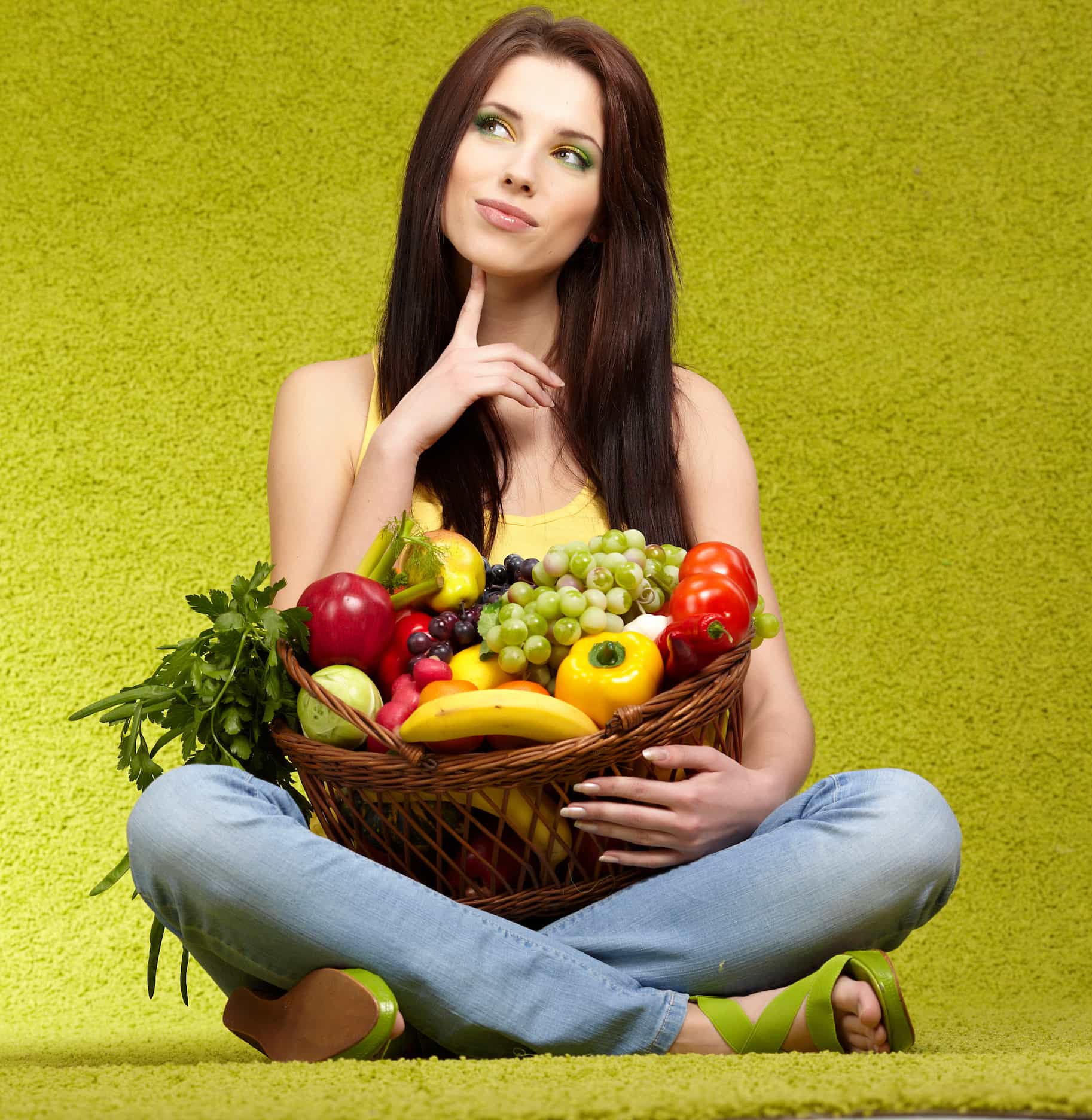
A vegan diet is a vegetarian eating style, but it's completely devoid of animal products, including eggs, honey, and dairy products. Some vegans choose the diet for health reasons, but others prefer it for ethical reasons, such as avoiding animal cruelty and consuming more sustainable foods.
While there are documented health benefits of a vegan diet, some find the lifestyle challenging to maintain. Consider each of the advantages and disadvantages of a vegan diet before you decide if it is the right program for you.
Advantages
The reason (or reasons) that you choose a vegan eating plan will determine the benefits that are most relevant for you. But advantages to this lifestyle are substantial, regardless of whether you are choosing it for health, environmental, or ethical reasons.
Health benefits
Since a vegan diet is plant-based, it's easier to load up on healthy whole grains, legumes, fruits, and vegetables that many people on regular diets lack. Studies comparing different types of diets have found that vegan eating ranks highest for nutritional quality.
A vegan diet is generally high in fiber, vitamin C, magnesium, iron, and folate and lower in calories and saturated fats.
The nutritional quality of a vegan diet leads to more significant health benefits. Eating a diet rich in plant-based foods has been associated with a decreased risk of many chronic diseases. A large cohort study evaluated vegetarian and vegan diets. Researchers found that both groups experienced a reduced risk of cardiovascular diseases, cardiometabolic risk factors, some cancers, and total mortality. Those who were vegan enjoyed those benefits along with a reduced risk of obesity, hypertension, type-2 diabetes, and cardiovascular mortality.
Other studies have confirmed those findings and have also found that plant-based eating may be helpful in the treatment and management of high blood pressure, diverticular disease, and eye cataracts.
Wider food variety by dropping standard food choices
In theory, an omnivore diet offers the widest variety in food choices. In practice, most people who consume a traditional diet eat a relatively limited number of foods or types of food. For instance, many traditional dinners include meat, starch (potato or rice), and maybe a vegetable. Dairy products are often used as ingredients, side dishes, or toppings.
On a vegan diet, however, many traditional foods are not suitable. Therefore, when you begin this diet, you may have to get creative and experiment with foods that are not familiar.
However, due to the increasing popularity of vegan diets, many food manufacturers are creating plant-based versions of traditional favourites. For instance, most grocery stores carry vegan-friendly meatless burgers, processed chicken alternatives, and dairy substitutes that are made from soy or other ingredients. Sometimes, these products are no healthier than their meat/dairy alternative, and relying on them can lead to the same limited food palate like a traditional American diet.
Possible weight loss
Studies have shown that you may lose weight on a vegan diet. Of course, just choosing to go vegan does not cause weight loss to occur. But when you adopt this lifestyle, you eliminate many foods that are high in fat and calories.
Plant-based eating is often associated with losing weight. Plant-based diets can be an effective tool in the management and prevention of overweight and obesity. Studies have shown that a vegan eating plan may be more effective for weight loss, even if you don't completely stick to the program.
Weight loss is not guaranteed though. Vegan snack foods, alternative cheeses, mock meats, and ice creams are now becoming common place in households. This type of consumerism typically leads to poor dietary choices, which in turn can lead to weight gain.
Reduced food costs
Choosing a vegan diet may help you to reduce your food costs. But whether or not you gain this benefit depends on what you eat before adopting this eating style and what you choose to eat after.
There is no doubt that meat, seafood, and dairy products are expensive. Some convenience foods can also be pricey. When you remove these foods from your diet, you eliminate the substantial food costs that are associated with them.
Vegan-friendly-grains and legumes are usually budget-friendly. And even though fresh produce and vegan-friendly convenience foods can be expensive, they are likely to cost less overall than a diet rich in animal-based products.
Better for the environment
Some people choose a vegan diet because they feel it is better for the planet. There is increased concern in the environmental community about the impact of livestock and livestock farming practices on the earth.
By comparison, the farming of vegan-friendly plants requires fewer resources (land and water) than the production of typical western foods such as meat, poultry, and dairy.
No animal impact
Because no animals are harmed or killed to produce vegan-friendly foods, many choose this diet because of concerns about animal cruelty.
One study showed that the most popular reason for choosing a vegan diet is to support the more humane treatment of animals.
These vegans may also avoid clothing or other products that are made from animals, poultry, fish, or bees.
People who chose a vegan diet for ethical reasons were more likely to stick to a vegan diet than those who follow the program for other reasons.
Disadvantages
Even though a vegan diet may be healthier for a lot of people, this program doesn't work for everyone.
Limited food choices
The vegan diet is often referred to as the most restrictive version of a plant-based diet. Certainly, if you adopt this eating plan, and you currently eat a standard American diet, you can expect to eliminate most foods from your typical weekly menu. For some people, that level of restriction is too severe.
To get a greater sense of the scope of the restriction, remember that not only are animal products eliminated, but any food or product that contains an animal by-product is eliminated. Many traditional home recipes, groceries, and restaurant foods contain at least one animal by-product.
Of course, many vegans will tell you that there is a wealth of food variety in this diet. But because it varies substantially from what you might be used to eating, you may find it to be limiting at first.
Possible nutritional deficiencies
A vegan diet can be healthy, but there are a few potential nutritional deficiencies that need to be addressed.
Eating a vegan diet makes it more challenging to obtain vital nutrients that your body needs.
Those nutrients are iron, calcium, zinc, vitamin B12, vitamin D , primary omega-3 fatty acids and in some cases also protein.
However, with proper planning, you can meet the recommended daily intake for each one.
Iron is a nutrient of concern in vegan diets. Good plant sources of iron include lentils, chickpeas, beans, tofu, cashew nuts, chia seeds, ground linseed, hemp seeds, pumpkin seeds, kale, dried apricots and figs, raisins, quinoa and fortified breakfast cereal.
There may be a problem with zinc absorption due to phytates present in legumes when they aren't properly soaked and cooked.
Vegan diets are generally lacking in calcium, required for bone formation, muscle contraction, and other essential functions.
Vegans can increase their intake by eating calcium-rich foods such as green leafy vegetables, pulses, sesame seeds, some dried fruits, and calcium-fortified foods such as plant milks, non-milk yogurt, or cereal with calcium added.
Vitamin B12, or cobalamin, is another nutrient that may be lacking because it's found primarily in foods of animal origin. Vitamin B12 is needed for healthy nerve function and blood cell production. A deficiency can lead to a condition called pernicious anemia.
Although some seaweed, mushrooms, and fermented foods can be a useful source of this essential B-complex vitamin, researchers have found that supplementation may be needed for people who follow a vegetarian or vegan diet.
Given it’s importance to our bodily functions, health professionals recommend that adults over 50 years of age supplement with vitamin B12, regardless of their diet.
Most supplements are 1,000 mg per dose, more than enough to cover the daily recommendation.
A vegan diet is also deficient in two omega-3 fatty acids called eicosapentaenoic acid (EPA) and docosahexaenoic acid (DHA) that your body needs for a healthy heart and eyes and brain function.
Eating foods such as walnuts, soy, pumpkin, flax, or chia seeds, will help increase your intake of an omega-3 fatty acid called alpha-linolenic acid (ALA), which your body converts to the other two forms.
Still, supplementing with a product such as a micro algae supplement may be needed.
Protein can be another issue. Proteins are made up of building blocks called amino acids that your body needs to maintain organs and muscles and important functions. Essential amino acids are those that your body does not make so you need to get them from the foods you eat.
While animal proteins contain all of the essential amino acids, plant proteins are usually missing one or more of those amino acids.
The amino acids which are more abundant in animal protein than in plant protein are carnitine, carnosine (beta-alanine+histidine), creatine (made from arginine and glycine), and taurine.
It's crucial to eat a variety of protein sources to ensure you get all those amino acids you need. However, when you are into fitness, you may want to supplement with a plant-based protein powder.
Vegan diets can also be low in vitamin D, though to be fair, so are other diets since most of your vitamin D comes from exposure to sunlight.
Two potentially good vegan sources of vitamin D include maitake mushrooms and portobello mushrooms that have been exposed to UV light. Fortified nut milks can also help you get vitamin D during the winter months. A vitamin D supplement is however recommended for people of colour and aging people.
It can feel carb-heavy
The majority of plant foods are carb-heavy. For most coming from the traditional diet heavy in meat, dairy, and processed foods, it’ll feel like you’re eating too many carbs. You will probably also not be used to eating as much fiber as you are going to eat when following a vegan diet.
In case you are concerned about weight gain when following a high-carb diet, this doesn't hold true for most healthy adults. Whether your high carb or low carb, you can still lose weight and get healthy.
A solution may be to eat high protein and high fat vegan foods when you start on a vegan diet. As you get more comfortable, add in more carbohydrates. Make notes about how you feel on higher and lower carbohydrate days and adjust according to your well-being.
It can cause gas and bloating
Beans and high fiber vegetables are a staple of a vegan diet. At the beginning, gas and bloating are one of the most commonly cited complaints of a vegan diet. Due to the huge influx of high fiber foods like beans, broccoli, and leafy greens, this can cause discomfort.
High fiber foods are great for your gut, but need some time to adapt, especially when coming from a meat-heavy diet. Luckily, these side effects disappear in as little as a month.
A solution may be to eat smaller meals more frequently, and to ease into harder to digest foods such as cruciferous vegetables, onions, and garlic. Meanwhile, avoid carbonated drinks and chewing gum.
It could interfere with medications
Certain dietary changes can affect drug interactions, especially the anticoagulant (blood thinner) warfarin, can have negative interactions with dark, green leafy vegetables like spinach or kale.
Additionally, soy milk, char-grilled foods, and sushi containing seaweed may also decrease the effect of warfarin.
Requires diligence
Those who follow a vegan diet will need to become accustomed to carefully reading nutrition labels and ingredient lists, especially if they choose to consume processed foods. Foods that you might assume to be free from animal by-products may contain gelatin, whey, casein, honey, or other foods that are non-compliant on a vegan diet.
Some hard to identify non-vegan ingredients are conventional items like confectioners glaze on candies which is derived from insects, isinglass that is extracted from fish bladders to make beer and wine, and L-cysteine (duck feathers) that is used in bread products.
You'll need to carefully read nutrition labels to stay healthy on a vegan diet. It is important to choose foods that contain important vitamins and minerals to avoid nutritional deficiencies.
Difficulty dining out
When shopping for vegan-friendly food, consumers can read product information. But if you eat at someone's home or in a restaurant, you don't have access to an ingredient list. For this reason, dining out can be a challenge for those who choose a vegan diet.
A few restaurants make a note of vegan or vegetarian foods on their menus, but not many. You may be able to create a vegan meal from the salads or side dishes that they already serve. However, you'll need to ask to be sure that no animal products are used in the preparation.
And sometimes, even asking about food isn't helpful. It is not uncommon for well-meaning restaurant staff (or well-intentioned friends and family) to assume that plant-based foods are vegan if they don't contain dairy. But that isn't always the case. Vegetable soup, for example, might be made with broth that used an animal bone for flavoring.
Many vegan experts recommend that when dining at someone's home, bring a recipe that you can enjoy and that you can share with others. And choose restaurants that you know to be vegan-savvy.
Unrealistic expectations
While consuming a vegan diet is likely to produce health benefits and a healthier weight, it is not a guarantee. For example, if you are trying to slim down, you still need to be mindful of the foods you choose and the amount you eat.
There is an increasing number of heavily processed vegan foods. Many times, these foods are just as unhealthy—containing more fat and calories—as their traditional counterparts.
And health benefits are not a given either. A study published in the Journal of the American College of Cardiology compared a large number of women who ate a healthy vegan diet (including whole grains, fruits, vegetables, nuts, legumes, oils, tea and coffee) to those who ate a less healthy vegan food (including juices, sweetened beverages, refined grains, potatoes, fries, and sweets).
Researchers concluded that the healthier vegan diet resulted in a substantially lower risk for heart disease, whereas the less healthy vegan diet was associated with a higher risk.
Social isolation
People's food choices can come under scrutiny from friends, family, coworkers, and other acquaintances. While veganism is more normalized these days and plant-based foods are more widely available, you might still find that you are questioned and challenged about your reasons for choosing this lifestyle.
Additionally, those who don't know how to accommodate your diet may exclude you from social gatherings.
Or worse, they may invite you and encourage you to eat foods that are not vegan-friendly.
Some vegan blogs address these issues and provide guidance for those adapting to the eating style. Experts advise that you reach out to other vegans in your community and build a network, while also being patient with those who don't understand your choices.
Conclusion
In many ways, a vegan diet will be too challenging for most people. Therefore, when more people decide to follow a flexitarian diet, that is, to eat less animal-based foods and more plant-based foods, this decision will already make a larger impact than a small minority following a vegan diet.
In conclusion, it should be mentioned that some turn completely away from a plant-based diet and embrace a fully carnivorous diet. A carnivore diet is said to provide a health benefit to people with a serious autoimmune condition.
Recent posts
- Daylight Saving Time: tips and tricks for a smooth adaptation
- Being a grandparent doesn't just bring joy but also rejuvenates your brain
- Wide awake at night but tired in the morning? How to cure insomnia!
- Fall prevention tips for elderly people
- How Heart Rate Variability can be an indicator of your well-being
- Biting insects, what causes them to be attracted to you and what can you do to repel them?
- How can athletes beat the heat with heat adaptation training?
- Health benefits of infrared light therapy
- How do you prevent a sunstroke or heatstroke?
- How to become super strong and muscular in a responsible way!
Author
Contents
Language for this blog

- Vestiging: Wageningen | Julianastraat 99 | 6707 DC | NL
- Telefoon: +31 (0)6 5107 9358
- Mail contact: orders@pasioonline.com
- Bestellingen worden gereed gemaakt voor verzending maandag t/m vrijdag tussen 9.00 en 16.00. Zaterdag tussen 10.00 en 14.00 uur. Bij verzending maken wij gebruik van PostNL en DPD. Afhalen alleen na afspraak en vooruitbetaald. Probiotica worden niet retour genomen.