


Oats, the economical superfood everyone should eat for breakfast
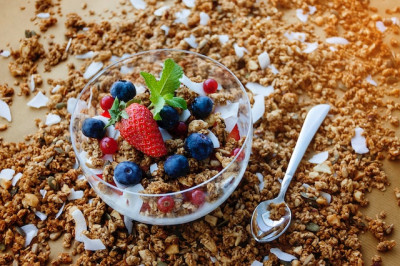
Oats, the economical superfood everyone should eat for breakfast
For the longest time I've been reading recommendation by fitness enthusiasts to eat oats for breakfast. Somehow I never could really adhere to this advice since I was too addicted to eggs for breakfast and later on, preferred to stick to low-carb high-protein cottage cheese. Plus, to be honest, the look of porridge never really was appealing.
However, when Best Body sent us samples of protein porridge, I decided to give this a whirl as a pre-workout meal, which worked out amazingly well.
As a reminder why oats are a great choice for breakfast or pre-workout meal, I've gathered information on the benefits of oats.
The king of breakfasts
Oats are, without a doubt, the most comforting cold-weather breakfast food you could indulge in. Whether you like them savory or sweet, there is nothing better than a steaming, creamy bowl of hot oats on a winter morning to give you a much-needed food hug. You can spice them up and eat them with poached eggs and sausages or turn them into a sugary pick-me-up glazed with brown sugar, candied nuts, and fruit. Obviously how you dress up your breakfast affects how nutritious it will be, but no matter what, if you dive into a bowl of oats, you'll come out feeling full and satisfied.
But, we weren't the first people to realize how absolutely wonderful oats were, as they were grown in Asia Minor for centuries prior to making them westward. But, they truly become popular during the 15th century in Scotland, where oats were made into porridge, brose, gruel, and Scotland's national dish: haggis. Since then, oats have been widely appreciated for their nutritional benefits and their vast uses as an adaptable ingredient.
What really makes oats so special? Why should we be lauding them as the ultimate breakfast grain?
This particular grain is reportedly chocked full of carbs, fibers, high-quality proteins, essential amino acids, vitamins, minerals, and antioxidants.
Breakfast is considered by many as the most important meal of the day. To help keep us from burning out we should eat food that is unprocessed as possible with lots of proteins and complex carbohydrates that provide fiber and help you feel full. Oats have all of these aspects and more which make them the perfect breakfast food.
Though there are some nutritional differences between steel-cut, rolled, and instant oatmeal, ultimately, oats in almost any form are good for you so long as you don't load a bunch of additives on top. Oats are also naturally gluten-free, so individuals with that dietary restriction can also reap the benefits of this breakfast bombshell, just always be on the safe side and check if your oats could have been cross-contaminated with glutinous substances before indulging.
Nutritional breakdown of oats
Carbs
Carbs make up 66% of oats by dry weight. About 11% of the carbs is fiber, while 85% is starch. Oats are very low in sugar, with only 1% coming from sucrose.
Starch, which is comprised of long chains of glucose molecules, is the largest component of oats.
The starch in oats is different than the starch in other grains. It has a higher fat content and a higher viscosity, which is its ability to bind with water.
Three types of starches are found in oats:
- rapidly digested starch (7%). This type is quickly broken down and absorbed as glucose
- slowly digested starch (22%). This form is broken down and absorbed more slowly.
- resistant starch (25%). Resistant starch functions like fiber, escaping digestion and improving gut health by feeding your friendly gut bacteria.
Fiber
Whole oats pack almost 11% fiber, and porridge contains 1.7% fiber. The majority of the fiber in oats is soluble, mostly a fiber called beta glucan.Oats also provide insoluble fibers, including lignin, cellulose, and hemicellulose.
Oats offer more soluble fiber than other grains, leading to slower digestion, increased fullness, and appetite suppression.
Soluble oat beta glucans are unique among fibers, as they can form a gel-like solution at a relatively low concentration.
Beta glucan comprises 2.3–8.5% of raw, whole oats, mostly concentrated in the oat bran.
Oat beta glucans are known to lower cholesterol levels and increase bile acid production. They’re also believed to reduce blood sugar and insulin levels after a carb-rich meal.
Daily consumption of beta glucans has been shown to lower cholesterol, especially LDL (bad) cholesterol, and may thus decrease your risk of heart disease.
Protein
Oats are a good source of quality protein at 11–17% of dry weight, which is higher than most other grains.The major protein in oats — at 80% of the total content — is avenalin, which isn’t found in any other grain but is similar to legume proteins.
The minor protein avenin is related to wheat gluten. However, pure oats are considered safe for most people with gluten intolerance.
Vitamins and minerals
Oats are high in many vitamins and minerals, including:Manganese. Typically found in high amounts in whole grains, this trace mineral is important for development, growth, and metabolism.
Phosphorus. This mineral is important for bone health and tissue maintenance.
Copper. An antioxidant mineral often lacking in the Western diet, copper is considered important for heart health.
Vitamin B1. Also known as thiamine, this vitamin is found in many foods, including grains, beans, nuts, and meat.
Iron. As a component of hemoglobin, a protein responsible for transporting oxygen in the blood, iron is absolutely essential in the human diet.
Selenium. This antioxidant is important for various processes in your body. Low selenium levels are associated with increased risk of premature death and impaired immune and mental function.
Magnesium. Often lacking in the diet, this mineral is important for numerous processes in your body.
Zinc. This mineral participates in many chemical reactions in your body and is important for overall health.
Other plant compounds
Whole oats are rich in antioxidants that may provide various health benefits. Their main plant compounds include:Avenathramides. Only found in oats, avenathramides are a family of powerful antioxidants. They may reduce inflammation in your arteries and regulate blood pressure.
Ferulic acid. This is the most common polyphenol antioxidant in oats and other cereal grains.
Phytic acid. Most abundant in the bran, phytic acid can impair your absorption of minerals, such as iron and zinc.
Health benefits of oats and oatmeal
Studies show that oats and oatmeal have many health benefits. These include weight loss, lower blood sugar levels, and a reduced risk of heart disease.Oats are among the healthiest grains on earth. They’re a gluten-free whole grain and a great source of important vitamins, minerals, fiber, and antioxidants.
Here are 9 evidence-based health benefits of eating oats and oatmeal.
What are oats and oatmeal?
Oats are a whole grain food, known scientifically as Avena sativa.Oat groats, the most intact and whole form of oats, take a long time to cook. For this reason, most people prefer rolled, crushed, or steel-cut oats.
Instant (quick) oats are the most highly processed variety. While they take the shortest time to cook, the texture may be mushy.
Oats are commonly eaten for breakfast as oatmeal, which is made by boiling oats in water or milk. Oatmeal is often referred to as porridge.
They’re also often included in muffins, granola bars, cookies, and other baked goods.
1. Oats are incredibly nutritious
The nutrient composition of oats is well-balanced. They are a good source of carbs and fiber, including the powerful fiber beta-glucan.They are also a good source of high quality protein, with a good balance of essential amino acids.
Oats are loaded with important vitamins, minerals, and antioxidant plant compounds. Half a cup (78 grams) of dry oats contains:
Manganese: 63.91% of the daily value (DV)
Phosphorus: 13.3% of the DV
Magnesium: 13.3% of the DV
Copper: 17.6% of the DV
Iron: 9.4% of the DV
Zinc: 13.4% of the DV
Folate: 3.24% of the DV
Vitamin B1 (thiamin): 15.5% of the DV
Vitamin B5 (pantothenic acid): 9.07% of the DV
smaller amounts of calcium, potassium, vitamin B6 (pyridoxine), and vitamin B3 (niacin)
This means that oats are among the most nutrient-dense foods you can eat.
2. Whole oats are rich in antioxidants, including avenanthramides
Whole oats are high in antioxidants and beneficial plant compounds called polyphenols. Most notable is a unique group of antioxidants called avenanthramides, which are almost solely found in oats.Both old and newer research has found that avenanthramides may help lower blood pressure levels by increasing the production of nitric oxide. This gas molecule helps dilate (widen) blood vessels and leads to better blood flow.
In addition, avenanthramides have anti-inflammatory and anti-itching effects.
3. Oats contain a powerful soluble fiber called beta-glucan
Oats contain large amounts of beta-glucan, a type of soluble fiber. Beta-glucan partially dissolves in water and forms a thick, gel-like solution in your gut.
The health benefits of beta-glucan fiber include:
- reduced LDL and total cholesterol levels
- reduced blood sugar and insulin response
- increased feeling of fullness
- increased growth of good bacteria in the digestive tract
4. They can lower cholesterol levels and protect LDL cholesterol from damage
Heart disease is the leading cause of death globally. One major risk factor is high blood cholesterol.Many studies have shown that the beta-glucan fiber in oats is effective at reducing both total and LDL (bad) cholesterol levels.
Beta-glucan may increase the release of cholesterol-rich bile, which reduces the circulating levels of cholesterol in your blood.
Oats may also protect LDL (bad) cholesterol from oxidation.
Oxidation of LDL (bad) cholesterol occurs when it reacts with free radicals. This is another crucial step in the progression of heart disease. It produces inflammation in arteries, damages tissues, and can raise the risk of heart attacks and strokes.
5. Oats can improve blood sugar control
Type 2 diabetes is a common health condition, characterized by significantly elevated blood sugars. It usually results from decreased sensitivity to the hormone insulin.Oats may help lower blood sugar levels, especially in people with overweight or who have type 2 diabetes. The beta-glucan in both oats and barley may also improve insulin sensitivity.
However, a randomized clinical trial in 2016 saw no improvement in insulin sensitivity, so further research is needed.
These effects are mainly attributed to beta-glucan’s ability to form a thick gel that delays the emptying of the stomach and absorption of glucose into the blood.
6. Oatmeal is very filling and may help you lose weight
Not only is oatmeal (porridge) a delicious breakfast food, it’s also very filling.Eating filling foods may help you eat fewer calories and lose weight.
By delaying the time it takes your stomach to empty of food, the beta-glucan in oatmeal may increase your feeling of fullness.
Beta-glucan may also promote the release of peptide YY (PYY), a hormone produced in the gut in response to eating. This satiety hormone has been shown to lead to reduced calorie intake and may decrease your risk of obesity.
7. Finely ground oats may help with skin care
It’s no coincidence that oats can be found in numerous skin care products. Makers of these products often label finely ground oats as “colloidal oatmeal.”The FDA approved colloidal oatmeal as a skin-protective substance back in 2003. But in fact, oats have a long history of use in the treatment of itch and irritation in various skin conditions.
For example, oat-based skin products may improve uncomfortable symptoms of eczema.
Note that skin care benefits pertain only to oats applied to the skin, not those that are eaten.
8. They may decrease the risk of childhood asthma
Asthma is the most common chronic condition in kids.It’s an inflammatory disorder of the airways — the tubes that carry air to and from a person’s lungs.
Although not all children have the same symptoms, many experience recurrent coughing, wheezing, and shortness of breath.
Older research indicates that early introduction of oats, for example, may actually protect children from developing asthma.
One study reports that feeding oats to infants before they are 6 months old is associated with a decreased risk of childhood asthma
9. Oats may help relieve constipation
People of all ages and populations experience constipation. This refers to infrequent, irregular bowel movements that are difficult to pass.Constipation affects nearly 16 out of 100 adults and about 33 out of 100 adults who are ages 60 and over.
Studies indicate that oat bran, the fiber-rich outer layer of the grain, may help relieve constipation in older adults.
One trial found that well-being improved for 30 older adults who consumed a soup or dessert containing oat bran daily for 12 weeks.
What’s more, 59% of those people were able to stop using laxatives after the 3-month study, while overall laxative use increased by 8% in the control group.
Oat bran was also shown to decrease gastrointestinal symptoms and aid digestion in people living with ulcerative colitis.
However, while the soluble fiber in oats is generally effective against constipation, it has been found to be less effective against opioid-induced constipation, since it doesn’t affect the movement of the colon that the drugs may suppress.
How to incorporate oats into your diet
You can enjoy oats in several ways. The most popular way is to simply eat oatmeal (porridge) for breakfast.To make oatmeal tastier and even more nutritious, you can add cinnamon, fruits, nuts, seeds, and Greek yogurt.
Oats are often also included in baked goods, muesli, granola, and bread.
Although oats are naturally gluten-free, they are sometimes contaminated with gluten. That’s because they may be harvested and processed using the same equipment as other grains that contain gluten.
If you have celiac disease or gluten sensitivity, choose oat products that are certified as gluten-free.
Overnight or cooked oats?
The benefits of oatmeal can be experienced no matter which technique you use. However, it seems that overnight oats outweigh other preparation methods due to the fact that the grain has a chance to ferment, which aids in digestion, increase available nutrition and incorporates beneficial gut bacteria.Why do you cook oats? It makes the dry grain more palatable to eat, without properly hydrating the oats they are indigestible and can cause issues resulting from constipation.
Many people prefer cooked oats as it is hot comfort food. Oatmeal is often topped with milk, butter, nuts, berries, maple syrup or brown sugar.
Overnight oats refer to raw oats that are soaked overnight. For soaking, you can use milk, dairy free milk, yogurt, juice or water.
Absorbing the liquid during the night, the oats get softened. The same thing happens when you cook oats.
However, the soaking process occurs much slower compared to the cooking process. Because of the absence of heat, the hydration time becomes much lengthier.
Generally speaking, all types of oats are healthy. However, if you rank them in terms of nutritious value, oat groats are the healthiest option available. The next one is oat bran followed by the steel-cut oats, rolled oats, and quick oats.
For cooking, all of these variants can be used, but that is not the same for soaking. The best type of oats for overnight oats in old fashioned rolled oats, the flakes are flattened thin enough that the texture is soft with a slight chewiness.
What is the healthiest way to eat oats?
You cannot easily undermine the benefits of cooked oats, however if you are looking for the healthiest way to eat oats, you can choose the overnight oats.The grain ferments while being soaked overnight. This process adds to beneficial gut bacterial and makes more nutrients available for digestion.
This method does not employ any heating process and retains all the nutrients efficiently. The benefits of overnight oats stand taller compared to other types of oatmeal preparations.
Summary
Oats can be a great addition to a healthy diet. They can be eaten as oatmeal (porridge) for breakfast, added to baked goods, and more. Oats are incredibly good for you
Oats are an incredibly nutritious food packed with important vitamins, minerals, and antioxidants. In addition, they’re higher in fiber and protein compared to other grains.
Oats contain some unique components — in particular, the soluble fiber beta-glucan and antioxidants called avenanthramides.
Benefits include lower blood sugar and cholesterol levels, protection against skin irritation, and reduced constipation.
In addition, they are very filling and have many properties that should make them a food helpful for weight loss.
At the end of the day, oats are among the nutrient-dense foods you can eat.
