



How to live well with arthritis: move more and eat healthier
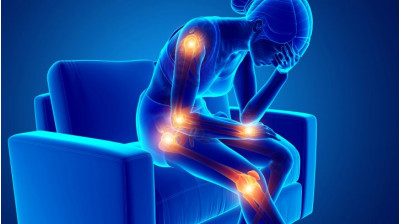
How to live well with arthritis: move more and eat healthier
Last week there was a news item on the radio on how it is now considered as 'best practice' for people with arthritis to 'keep moving'.
Just 2 days later in the gym, my right shoulder joint clearly audible started creaking during a conventional lat pull down exercise, so much so that I called over my partner to ask him if he could hear it as well, I knew it was about time to investigate what treatments are available for (osteo)arthritis, an ailment that will hit almost everyone at a certain age.
Just 2 days later in the gym, my right shoulder joint clearly audible started creaking during a conventional lat pull down exercise, so much so that I called over my partner to ask him if he could hear it as well, I knew it was about time to investigate what treatments are available for (osteo)arthritis, an ailment that will hit almost everyone at a certain age.
Lots of people stop exercising once they start suffering from arthritis: “I can’t hike anymore because of my arthritis.” “I can’t bike anymore because of my arthritis.”
Is this true or is this fiction? Many people acquire a diagnosis like “arthritis” and they are either told or they assume they should stop being active because of arthritis.
The definition of arthritis is inflammation in one or more joints. Common symptoms of arthritis are joint pain and stiffness, which typically worsen with age. There are many different types of arthritis but the most common form is osteoarthritis.
Osteoarthritis is most often seen in knees, hips, low back, neck, thumbs, and big toes. Osteoarthritis is also called degenerative joint disease and is defined as the gradual loss of cartilage in the joints and can result in bone spurs or cysts in the joints.
Cartilage is the firm, rubbery material that covers the end of the bones in normal joints. Its main function is to act as a shock absorber and help reduce friction in the joints. As you can imagine, if you begin to lose the cartilage in the joints, they can become inflamed and stiffness sets in because the cartilage is no longer able to help absorb stress and reduce friction. If you let the stiffness settle into the joints, you begin to lose motion and your ability to move to do daily tasks as well as your hobbies.
Movement helps your joints be healthier
Moving is essential if you are living with arthritis! Exercise helps to limit the pain and improve joint motion. It also boosts energy levels, improves strength to support your joints, and prevents falls and future injuries.
First, movement increases the synovial fluid in your joints which basically acts like oil that helps the joints move smoother.
Second, exercise increases circulation in the body which increases circulation to the joints bringing good oxygen and nutrients to the joints.
Also, research shows joint movement activates genes associated with rebuilding cartilage.
Exercise triggers a biological process called autophagy, where damaged cells in the joint are broken down and removed.
Finally, exercise strengthens the muscles, ligaments, and tendons surrounding each joint. Resulting in a natural brace for the joints during activity!
If you recently got diagnosed with arthritis or are currently dealing with arthritis, keep moving or get started. Here are a few tips on where to start!
- Speak with a physical therapist on which specific exercises and/or programs would be best for you.
- Begin with a flexibility program to get your joints loosened up and moving well. Try a Tai-Chi class or a gentle yoga class.
- Begin an aerobic-based program. Walking 5-10 min 2-3 times per day. Water aerobics class. Riding a bike for 15- 30 min.
- Begin to incorporate strengthening and balance exercises for your trunk, arms, and legs.
- Find a friend or an accountability partner to join you in the fun of movement
You don’t have to stop being active if your get diagnosed with arthritis! Please keep moving! We want to see you out biking, and hiking! Whatever it is, stay active. Joints that keep moving stay healthier for longer.
Supplements for healthy joints
Many people take a daily multivitamin to ensure that they are getting enough of the essential vitamins and minerals they need each day. Although it’s recommended to get the bulk of daily nutrients from food, supplements can help pick up the slack when nutritious meals fall short. Below are a number of popular supplements to take regularly to promote good joint health.
Omega-3 Fatty Acids
Foods rich in omega-3 fatty acids, including fatty fish, walnuts and flaxseed, should top your list. Other options are fish or krill oil supplements. Fish oil reduces the inflammation and pain associated with arthritis.
But, because both oxidative stress (affecting cartilage) and inflammation play a role in the pathogenesis of arthritis, krill oil is superior in comparison to fish oil since it also provides the powerful antioxidant astaxanthin, something fish oil does not.
It was found that omega-3 intake in obese people reduces belly fat by actually shrinking the size of individual fat cells.
Calcium
Calcium is a familiar nutrient that is closely tied to bone and joint health. It is the nutrient associated with helping to form the bones and teeth and keep them strong.
Calcium supplements can be effective in reducing joint inflammation and pain, especially in the knee joints. Dark leafy greens, milk, yogurt, and broccoli are examples of foods high in calcium. As a general rule, women are more likely to need to supplement with calcium than men.
Dark leafy greens, along with broccoli and broccoli sprouts, are rich in sulforaphane, an organic compound that strengthens bones, prevents inflammation and fights obesity, as well as vitamin D and vitamin K — both of which improve calcium use in the body.
Green tea / green coffee
Polyphenols and antioxidants may reduce inflammation and slow the rate of cartilage damage.
Vitamin D
Studies have shown that people with low levels of vitamin D tend to suffer from joint pain more frequently. Vitamin D also assists in the body’s absorption of calcium. By taking vitamin D, one can help strengthen the bones and joints. It is possible to find supplements that contain both calcium and vitamin D. Vitamin D can also be obtained through fortified milk and pure sunlight.
Vitamin C
People who took vitamin C supplements were 11% less likely to develop osteoarthritis than those who took no supplements.
Glucosamine
Glucosamine is a lesser-known nutrient that may also be helpful to joint pain sufferers.
This one is often recommended for knee joints because it helps to rebuild bone and prevent wear of the cartilage. Glucosamine may also help with inflammation that accompanies joint pain.
This is a good supplement to know for older adults with osteoarthritis because glucosamine levels tend to decline with age. It may take several months to see improvements in joint conditions after starting to take supplements like these.
Chondroitin
Chondroitin is typically used alongside glucosamine to help prevent joint pain and rebuilt cartilage.
These two nutrients are often found in the same supplements. Chondroitin is sometimes recommended to individuals with osteoarthritis because it has shown to help slow the progression of the disease.
Foods to avoid
Foods to avoid because they increase or stimulate inflammation include:
- processed meats, since animal fat has been tied to osteoarthritis
- sugar, especially added sugars, in sodas and juices are the worst.
- refined carbohydrates in white bread, white rice and junk foods, like potato chips fuel Advanced Glycation End products (AGE).
Addendum
After sending out the blog article, an attentive reader told me I had forgotten an interesting treatment with... wait for it, leeches! No lie, this is a valid treatment which is sporadically given in the Netherlands, but fully recognized in Germany.The earliest recent reports of it in the media already appeared well over 20 years ago , but most people will know leeches used to be commonly used in the past. Apparently not all that nonsensical!
In Time to Change Theory; Medical Leech from a Molecular Medicine Perspective Leech Salivary Proteins Playing a Potential Role in Medicine: "Leeches were successfully utilized in treating various diseases like skin disorders, arthritis, and cancer.
In Egypt, using leeches for treatment dates back to early 1500 BC. A medical leech’s salivary glands involve over 100 bioactive proteins and the salivary gland secretion contains bacteriostatic, analgesic, and anticoagulation influences; with resolving activity, it causes microcirculation disorders elimination, restoring the hurt vascular permeability of organs and tissues, removing hypoxia, decreasing blood pressure and detoxifying the organism by antioxidant paths."
For a more in-depth review we refer you to : Relevance of leech therapy in contempary medicine: a mini review
To the main pageNext article
