

How to cure a hangover : what causes a hangover and what are the symptoms?
How to cure a hangover?
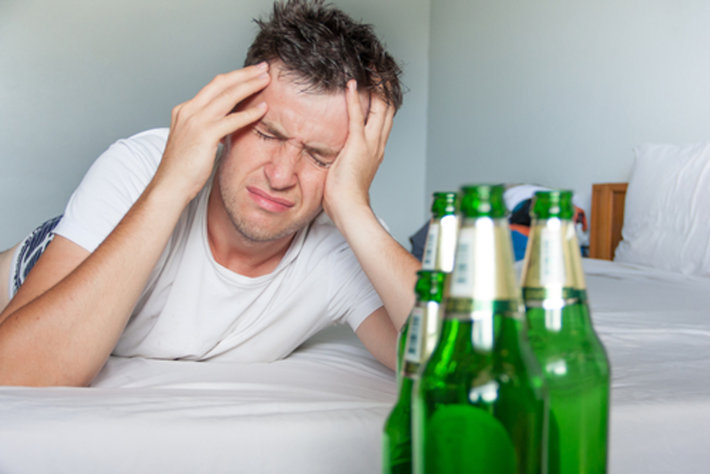
Quite a lot of people wake up the day after a major holiday like the recent King's Day with a hangover due to imbibing too much alcohol.
The most widespread assumption is that a hangover is caused by not drinking enough water, and therefore those that aren't drunk enough to remember what to do, will drink a few litres of water before going to bed or at least will try to do so the next morning. Other very popular cures are to drink a lot of coffee and eat a hearty egg-based breakfast. Another advice was heard on the radio from a Dutch food blogger who exclaimed how eating toast with honey was a definite cure for hangovers. Around the world a myriad of folk remedies exist for this ancient 'disease'.
Do these remedies actually work and are there some others you didn't think of?
Before we dive into that, let's first discuss the hangover itself.
Symptoms of a hangover
The medical name for a hangover is kveisalgia, derived from the Norwegian word 'kveis' describing the uneasiness following debauchery and 'algia', the Greek word for pain.
The common hangover includes some or all of the following, poor sense of overall well-being, headache,sensitivity to light and sound, diarrhea, loss of appetite, trembling, nausea, fatigue, increased heart rate and blood pressure, dehydration, trouble concentrating, anxiety, sleep problems and weakness.
The most common symptoms are headache, fatigue and dehydration, and the least common is trembling.
It usually takes 5 to 7 drinks to cause a hangover for a light-to-moderate drinker. It may take more alcohol for heavier drinkers because of increased tolerance. Other than the number of drinks consumed, hangovers can be made worse by drinking on an empty stomach, lack of sleep, increased physical activity while drinking (dancing), dehydration before drinking and poor health.
Strangely, a hangover develops well after alcohol disappears from the blood. Although a lot is known about the immediate effects of intoxication by alcohol, there is precious little resarch available on the hangover itself.
This lack of scientific interest is remarkable, since almost everybody is familiar with the unpleasant hangover effects that may arise the day after an evening of excessive drinking, and with the ways these symptoms may affect performance of planned activities.
Many people believe dehydration is the main cause of alcohol hangover symptoms. However, taking a closer look at the present research on biological changes during alcohol hangovers suggests otherwise.
Hormonal changes
Significant changes are reported for various body hormones, including increased concentrations of vasopressin, aldosterone, and renin.This is the opposite of what happens during alcohol consumption, when the release of vasopressin (antidiuretic hormone), is blocked, which causes kidneys to release water immediately to the bladder instead of reabsorbing it into the body, causing faster dehydration to the reate of 1 litre of water per 250ml alcoholic beverage. Due to the more frequent urination, minerals such as sodium and potassium is lost, which are necessary for proper nerve and muscle function. When sodium and potassium levels get too low, headaches, fatigue and nausea can result. In addition, liver glycogen (glucose storage) gets depleted as well.
Metabolic changes
Other changes that take place are metabolic acidosis, in other words, a reduced blood pH value, due to increased concentrations of acids such as lactate, ketone bodies, and free fatty acids. These effects are related to dehydration and cause symptoms such as dry mouth and thirst.One major toxic compound is acetaldehyde, which is produced in the liver when alcohol is broken down. A major substance needed for the detoxification process is glutathione, which contains high quantities of cysteine. Along with enzymes, glutathion form acetate.
As long as only a few drinks are used, acetaldehyde will only remain in the body for a short period of time.
Unfortunately, the liver's stores of glutathione quickly run out when larger amounts of alcohol enter the system. This causes the acetaldehyde to build up in the body as the liver creates more glutathione, leaving the toxin in the body for long periods of time.
Women as well as older people have lower amounts of detoxication enzymes as well glutathione in their liver, which explains why women have worse hangovers and older people can't drink as much as they used to at a younger age.
Glutamine and sleep quality
Drinking alcohol will also affect sleep quality. When someone is drinking, alcohol inhibits glutamine, one of the body's natural stimulants. When the drinker stops drinking, the body tries to make up for lost time by producing more glutamine than it needs.The increase in glutamine levels stimulates the brain while the drinker is trying to sleep, keeping them from reaching the deepest, most healing levels of slumber. This is a large contributor to the fatigue felt with a hangover. Severe glutamine rebound during a hangover also may be responsible for tremors, anxiety, restlessness and increased blood pressure.
Stomach irritation
Because alcohol is absorbed directly through the stomach, the cells that line the organ become irritated. Alcohol also promotes secretion of HCL in the stomach, eventually causing the nerves to send a message to the brain that the stomach's contents are hurting the body and must be expelled through vomiting. This mechanism can actually lessen hangover symptoms in the long run because vomiting gets rid of the alcohol in the stomach and reduces the number of toxins the body has to deal with. The stomach's irritation may also be a factor in some of the other unpleasant symptoms of a hangover, such as diarrhea and lack of appetite.Alcohol and brain function
Less known is how alcohol also affects the immune system and how an imapired immune system is related to impaired brain function.The idea that memory impairment following a hangover is related to the immune system is strengthened by the discovery that the immune system and central nervous system (CNS) operate in close communication with each other.
In response to alcohol intake, the immune system responds by increasing the amount of inflammatory substances such as cytokines and interferon-gamma. It is assumed the inflammatory response causes the ‘cognitive’ alcohol hangover effects such as memory impairment and mood changes.
Cytokines released locally communicate with the brain via de nervus vagus pathway and will signal the brain to up-regulate cerebral cytokine production. The effects caused by cytokines are very similar to those of an of alcohol hangover, suggesting that underlying processes might be the same.
Cerebral cytokines (interleukines and TNF) are involved in sickness behaviour. Symptoms of sickness behaviour in both animals and humans include weakness, inability to concentrate, decreased appetite, reduced activity, sleepiness, and loss of interest in usual activities.
There have been a few studies that proposed that dehydration itself is a cause of memory impairment. However, upon closer investigation it appeared how dehydration in those experiments was inflicted during a period of intense stress, such as heavy prolonged exercise.
In other experiments where no such stress was present (simple abstinence from water) no ill effect on memory function was found.
Apparently, it's not dehydration, but a stressor which causes overproduction of cytokines, resulting in memory problems.
Difficulties in studying hangovers
Coming back to the reason why there are so few good studies on alcohol intoxication and hangovers, a few speculations are possible.
Apart from ethical reasons, placebo-controlled studies are next to impossible, since the effects of alcohol intoxication and its after-effects are impossible to mimic by a placebo. Another problem is that most studies that do exist, were performed on young healthy men.
It is well known that men and women as well as older people differ in alcohol metabolism, and thus, may differ in the presence and severity of hangover symptoms.
To make matters even more complicated, the presence and severity of alcohol hangovers is influenced by many factors other than the amount of alcohol. One is these factors is the presence of other substances (congeners) in alcoholic drink that flavour and colour drinks. Congeners can be both a product of natural fermentation (byproducts in wine and beer) as well as deliberately added such as in flavoured liquors.
The more congeners an alcoholic drink contains, the fewer drinks are needed to get a hangover, while the severity of those hangovers is more pronounced.
Sleep is also an important influencer. Whereas in laboratory studies participants are often allowed a full night of sleep, in real life drinking time often goes at the expense of sleep time.
Some of the symptoms that are experienced the day after excessive drinking like daytime sleepiness are simply related to sleep duration and quality and not to the amount of alcohol that was consumed.
Many factors influence the hangover state. On the other hand, it is essential to keep in mind that several factors co-occur with the hangover state including dehydration effects and sleep deprivation. Other factors are the impact of food and smoking.
An interesting phenomenon is how in an interview on the relationship between hangovers and work-related problems, workers who report having had hangovers, do not take significantly more sick-leaves than those who don't have hangovers.
A possible explanation may be that workers with a hangover feel that having a hangover is ‘their own fault’, and the obligation they have to go to work may prevent calling sick. [My assumption is that those workers are afraid to draw attention on themselves by taking a sick leave too often, to the extent they will get fired.]
The fact that workers do go to work when having a hangover is of concern, especially since some in jobs making the wrong decisions may have serious consequences [almost every day we hear of terrible traffic accidents caused by alcohol abuse, leading to blocked roads when this happens to truck drivers].
38 cures for hangovers
The myriad of different side effects from a hangover and the fact hangovers may have been plagued mankind since its existence, due to spontanous fermentation of fruits, easily explains why so many different folk remedies are available.
Knowing the mechanism and nature of a hang over makes it easier to understand what may work and what not as well as what you personally need the most to cure one.
By far not even a complete list of 'cures', including possible explanations and whether or not it's a Myth, Fact or Undecided.
M alcoholic drinks or 'chasers': making you forget about the misery, which is quite obviously the worst possible 'cure'
F artichoke: protects glutathione levels and stimulates bile production , but will not cure hangovers instantly
U asparagus: will cleanse kidneys and have a diuretic effect and is said to protect the liver
F aspirin and other pain killers, including ice packs: reducing misery of headache, but aspirin is contra-indicated for people with a sensitive stomach
F bananas (kiwi as well as potatoes and bone broth): a source of potassium as well as other nutrients and source of energy
F betain (aka trimethylglycine, TMG): will diminish effects of an upset stomach from overproduction of HCl
U barley grass: a natural source of SOD the antioxidant enzyme
U borage oil: anecdotal evidence and a small study reporting less severe hangovers when taken as a preventive measure
F B-vitamins and more specifically, thiamine B1: needed for the liver's alcohol detoxification process
F C-vitamins: may protect muscles against damage from acetaldehyde
F cabbage: one of the most ancient cures, advocated by the Greek philosophers/doctors, preferrably eaten raw or fermented (Sauerkraut). It was believed cabbage was the 'natural' enemy of wine. A contemporary explanation is how cabbage (juice/soup) may diminish gastric pain, lowers blood sugar level and is said to absorb acetaldehyde and relieve headaches.
F cayenne pepper: natural stimulant and pain relief
F caffein/coffee : combats drowsiness
M charcoal tablets : generic method to reduce effects of poisoning, but ineffective for hangovers as it is a different type of poisoning
F chlorella: source of antioxidants, B-vitamins and minerals, apparently proven as an effective method in a Japanese study
F cystein (e.g. from NAC): building block for glutathione needed for detoxification
F eggs: a source of cystein
F exercise and fresh air: more oxygen and blood flow, improves sense of well being (endorfins!) as well as higher metabolism
F fatty foods: only helpful when taken before drinking as food will slow down absorption of alcohol. A popular custom in some Mediterranean countries is to swallow some olive oil after each glass of alcohol. This may also explain the habit of eating olive-oil infused tapas.
Interesting is how drinking alcohol will increase the desire for fatty junkfood. It is thought it is caused by an increased production of galanin, a neuro-peptide said to increase appetite for hearty/fatty foods.
F fruit (juice): source of fructose/sucrose
F ginger : to settle an upset stomach
F ginseng (along with green tea and rhodiola): milder ways to increase energy
O glutamine : repair an upset gastrointestinal tract and replenish glutamine levels, but doesn't cure a hangover directly
F glutathione: replenishing glutathione in the liver
F honey, milkshake, sugars and sports drinks: filling up depleted glycogen stores and adding nutrients
M kidney dialysis : expensive (and unnecessary) method to get rid of alcohol
F mango: speeds up metabolisation of acetaldehyde into acetate
F milk thistle: boosts glutathione levels
F MSM (methylsulfonylmethane): anti-inflammatory agent that also reduces musclular pain
F multivitamins: replenishes depleted vitamins and minerals, not an acute hangover cure but a necessity for every day
U sex: makes you feel better, but cures nothing
F shower/hot bath: improve sense of well-being and wake you up
F silence and darkness: a hangover increases sensitivity to light and sound, so keep it quiet and dark by avoiding loud music and wear sunglasses if you go out
F skullcap : natural anti-inflammatory herb
F sleep: to make up for lost sleep
U succinic acid (aka amber acid), found naturally in pickles and cabbage (juice): in food, succinic acid is used as an acidity regulator, which explains its use as a hangover cure, as it may help to rebalance blood pH. Our body produces it naturally in the citric acid cycle.
M toast (more specifically burnt toast): is mistaken with the effects of activated charcoal used to combat poisoning (see above) and carcinogenic if it is truly burnt toast
F water: to combat dehydration, best consumed before and during drinking to slow down consumption as well as before going to bed to reduce effects of dehydration in the morning
Conclusion
Obviously, the best advice for everyone is to prevent getting drunk, so you won't have a hangover to worry about!
If you do want to imbibe, it is best to eat a full meal in advance and be well hydrated.
When drinking, alternate alcoholic drinks with non-alcoholic beverages, but don't switch the type of drink so as not to ingest too many different toxic byproducts of alcoholic beverages.
After drinking, drink plenty of water along with an aspirin or a different (natural) pain killer.
In the morning, eat an egg-based breakfast and have potassium-rich fruits (or potatoes) along with it, but diminish the amount of fats in order to not upset the stomach.
Oh, and if you thought to at least need a glass of red wine because it is so healty for you? True, but .. you are better off drinking non-alcoholic wine or beer.
Recent posts
- Daylight Saving Time: tips and tricks for a smooth adaptation
- Being a grandparent doesn't just bring joy but also rejuvenates your brain
- Wide awake at night but tired in the morning? How to cure insomnia!
- Fall prevention tips for elderly people
- How Heart Rate Variability can be an indicator of your well-being
- Biting insects, what causes them to be attracted to you and what can you do to repel them?
- How can athletes beat the heat with heat adaptation training?
- Health benefits of infrared light therapy
- How do you prevent a sunstroke or heatstroke?
- How to become super strong and muscular in a responsible way!
Author
Contents
Language for this blog

- Vestiging: Wageningen | Julianastraat 99 | 6707 DC | NL
- Telefoon: +31 (0)6 5107 9358
- Mail contact: orders@pasioonline.com
- Bestellingen worden gereed gemaakt voor verzending maandag t/m vrijdag tussen 9.00 en 16.00. Zaterdag tussen 10.00 en 14.00 uur. Bij verzending maken wij gebruik van PostNL en DPD. Afhalen alleen na afspraak en vooruitbetaald. Probiotica worden niet retour genomen.