
- Office: Wageningen | Julianastraat 99 | 6707 DC | NL
- Phone: +31 (0)6 5107 9358
- Business hours: Mon-Sun 09.00 - 16.30
- Mail contact: orders@pasioonline.com
- All orders ship Monday through Friday from 9am-16pm. Saturday 10am-14pm. We ship via PostNL and or DPD. Pick-up orders only pre-paid. Probiotics are subject to a no-return policy.

Mon-Fr 9a.m.-6p.m.
Food poisoning: how do we get it, what are the symptoms and how should we treat it?
Food poisoning
By this time of year, it has become warm enough to spend more time in our gardens. We don't just spend time gardening, but will want to dine here, too. And possibly prepare food on the BBQ or at least prepare a food buffet on holidays such as Kings Day. Unfortunately, a festive meal especially during warm weather is almost automatically associated with stomach bugs.
For elderly persons, the cause of food poisoning is mostly different. They have frequently been raised in a time of food scarcity and are less prone to discard food that is past its expiration date. Or as happening during the current lockdown, they will want to go grocery shopping as little as possible, so they may be eating food that would have been discarded otherwise. However, at their age, they will become sick more easily due to reduced immunity than a young person who has less qualms about throwing out spoiled food.
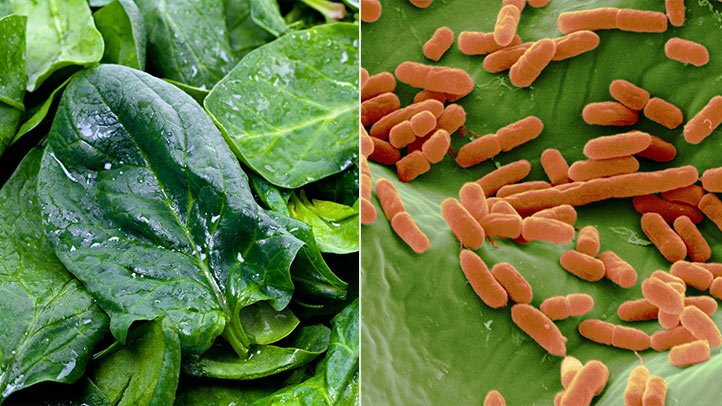
Foodborne illness, more commonly referred to as food poisoning, is the result of eating contaminated, spoiled, or toxic food. The most common symptoms of food poisoning include nausea, vomiting, and diarrhea.
Although it’s quite uncomfortable, food poisoning isn’t unusual. According to reliable data 1 in 6 persons will contract some form of food poisoning every year.
Food poisoning symptoms
If you have food poisoning, chances are it won’t go undetected. Symptoms can vary depending on the source of the infection. The length of time it takes for symptoms to appear also depends on the source of the infection, but it can range from as little as 1 hour to as long as 28 days. Common cases of food poisoning will typically include at least three of the following symptoms:
- abdominal cramps
- diarrhea
- vomiting
- loss of appetite
- mild fever
- weakness
- nausea
- headaches
Symptoms of potentially life-threatening food poisoning include:
- diarrhea persisting for more than three days
- a fever higher than 38,5°C
- difficulty seeing or speaking
- symptoms of severe dehydration, which may include dry mouth, passing little to no urine, and difficulty keeping fluids down
- bloody urine
If you experience any of these symptoms, you should contact your doctor immediately.
What causes food poisoning?
Most food poisoning can be traced to one of the following three major causes:
Bacteria
Bacteria is by far the most prevalent cause of food poisoning. When thinking of dangerous bacteria, names like E. coli, Listeria, and Salmonellacome to mind for good reason. Salmonella is by far the biggest culprit of serious food poisoning cases in the United States. According to the American health service an estimated 1 million cases of food poisoning, including nearly 20,000 hospitalizations, can be traced to salmonella infection annually. Campylobacter and Clostridium botulinum (botulism) are two lesser-known and potentially lethal bacteria that can lurk in our food.
Parasites
Food poisoning caused by parasites is not as common as food poisoning caused by bacteria, but parasites spread through food are still very dangerous. Toxoplasma gondii is the parasite seen most often in cases of food poisoning. It’s typically found in cat litter boxes. Parasites can live in your digestive tract undetected for years. However, people with weakened immune systems and pregnant women risk serious side effects if parasites take up residence in their intestines.
Viruses
Food poisoning can also be caused by a virus. The norovirus causes over 19 million cases of food poisoning each year. In rare cases, it can be fatal. Sapovirus, rotavirus, and astrovirus bring on similar symptoms, but they’re less common. Hepatitis A virus is a serious condition that can be transmitted through food.
How does food become contaminated?
Pathogens can be found on almost all of the food that humans eat. However, heat from cooking usually kills pathogens on food before it reaches our plate. Foods eaten raw are common sources of food poisoning because they don’t go through the cooking process.
Occasionally, food will come in contact with the organisms in fecal matter. This most commonly happens when a person preparing food doesn’t wash their hands before cooking.
Meat, eggs, and dairy products are frequently contaminated. Water may also be contaminated with organisms that cause illness.
Who is at risk for food poisoning?
Anyone can come down with food poisoning. Statistically speaking, nearly everyone will come down with food poisoning at least once in their lives.
There are some populations that are more at risk than others. Anyone with a suppressed immune system or an auto-immune disease may have a greater risk of infection and a greater risk of complications resulting from food poisoning.
Pregnant women are more at risk because their bodies are coping with changes to their metabolism and circulatory system during pregnancy. Elderly individuals also face a greater risk of contracting food poisoning because their immune systems may not respond quickly to infectious organisms. Children are also considered an at-risk population because their immune systems aren’t as developed as those of adults. Young children are more easily affected by dehydration from vomiting and diarrhea.
How is food poisoning treated?
Food poisoning can usually be treated at home, and most cases will resolve within three to five days.
If you have food poisoning, it’s crucial to remain properly hydrated. Sports drinks high in electrolytes can be helpful with this. Fruit juice and coconut water can restore carbohydrates and help with fatigue.
Avoid caffeine, which may irritate the digestive tract. Decaffeinated teas with soothing herbs like chamomile, peppermint, and dandelion may calm an upset stomach.
Over-the-counter medications like Imodium (loperamide) are popular because they can control diarrhea and suppress nausea. However, as the body uses vomiting and diarrhea to rid the system of the toxin, using something that stops diarrhea is not a very smart idea unless it is absolutely necessary since you are away from home.
Also, using these medications could mask the severity of the illness and cause you to delay seeking expert treatment.
It’s also important for those with food poisoning to get plenty of rest.
In severe cases of food poisoning, individuals may require hydration with intravenous fluids at a hospital. In the very worst cases of food poisoning, a longer hospitalization may be required while the individual recovers.
Diet
What’s good to eat when you have food poisoning?
It’s best to gradually hold off on solid foods until vomiting and diarrhea have passed and instead ease back to your regular diet by eating simple-to-digest foods that are bland and low in fat, such as:
- saltine crackers
- gelatin
- bananas
- rice
- oatmeal
- bone broth
- bland potatoes
- boiled vegetables
- toast
- soda without caffeine
- diluted fruit juices
- sport drinks
What’s bad to eat when you have food poisoning?
To prevent your stomach from getting more upset, try to avoid the following harder-to-digest foods, even if you think you feel better:
- dairy products, especially milk and cheeses
- fatty foods
- highly seasoned foods
- food with high sugar content
- spicy foods
- fried foods
You should also avoid:
- caffeine (soda, energy drinks, coffee)
- alcohol
- nicotine
While having food poisoning is quite uncomfortable, the good news is that most people recover completely within 48 hours.
Food poisoning can be life-threatening, however this is extremely rare. Be aware that COVID-19 may attack the mucous membrane of the intestinal wall, rather than infect the lungs.
How can food poisoning be prevented?
The best way to prevent food poisoning is to handle your food safely and to avoid any food that may be unsafe.
Some foods are more likely to cause food poisoning because of the way they’re produced and prepared. Meat, poultry, eggs, and shellfish may harbor infectious agents that are killed during cooking. If these foods are eaten in their raw form, not cooked properly, or if hands and surfaces are not cleaned after contact, food poisoning can occur.
Other foods that are likely to cause food poisoning include:
- sushi and other fish products that are served raw or undercooked
- deli meats and hot dogs that are not heated or cooked
- ground beef, which may contain meat from several animals
- unpasteurized milk, cheese, and juice
- raw, unwashed fruits and vegetables
Always wash your hands before cooking or eating food. Make sure that your food is properly sealed and stored. Thoroughly cook meat and eggs. Anything that comes in contact with raw products should be sanitized before using it to prepare other foods. Make sure to always wash fruits and vegetables before serving.
Recent posts
- Daylight Saving Time: tips and tricks for a smooth adaptation
- Being a grandparent doesn't just bring joy but also rejuvenates your brain
- Wide awake at night but tired in the morning? How to cure insomnia!
- Fall prevention tips for elderly people
- How Heart Rate Variability can be an indicator of your well-being
- Biting insects, what causes them to be attracted to you and what can you do to repel them?
- How can athletes beat the heat with heat adaptation training?
- Health benefits of infrared light therapy
- How do you prevent a sunstroke or heatstroke?
- How to become super strong and muscular in a responsible way!
Author
Contents
Language for this blog

- Vestiging: Wageningen | Julianastraat 99 | 6707 DC | NL
- Telefoon: +31 (0)6 5107 9358
- Mail contact: orders@pasioonline.com
- Bestellingen worden gereed gemaakt voor verzending maandag t/m vrijdag tussen 9.00 en 16.00. Zaterdag tussen 10.00 en 14.00 uur. Bij verzending maken wij gebruik van PostNL en DPD. Afhalen alleen na afspraak en vooruitbetaald. Probiotica worden niet retour genomen.
© 1998 - 2026 Mungotedo LLP.