



Exercise or diet, what's better for weight loss?
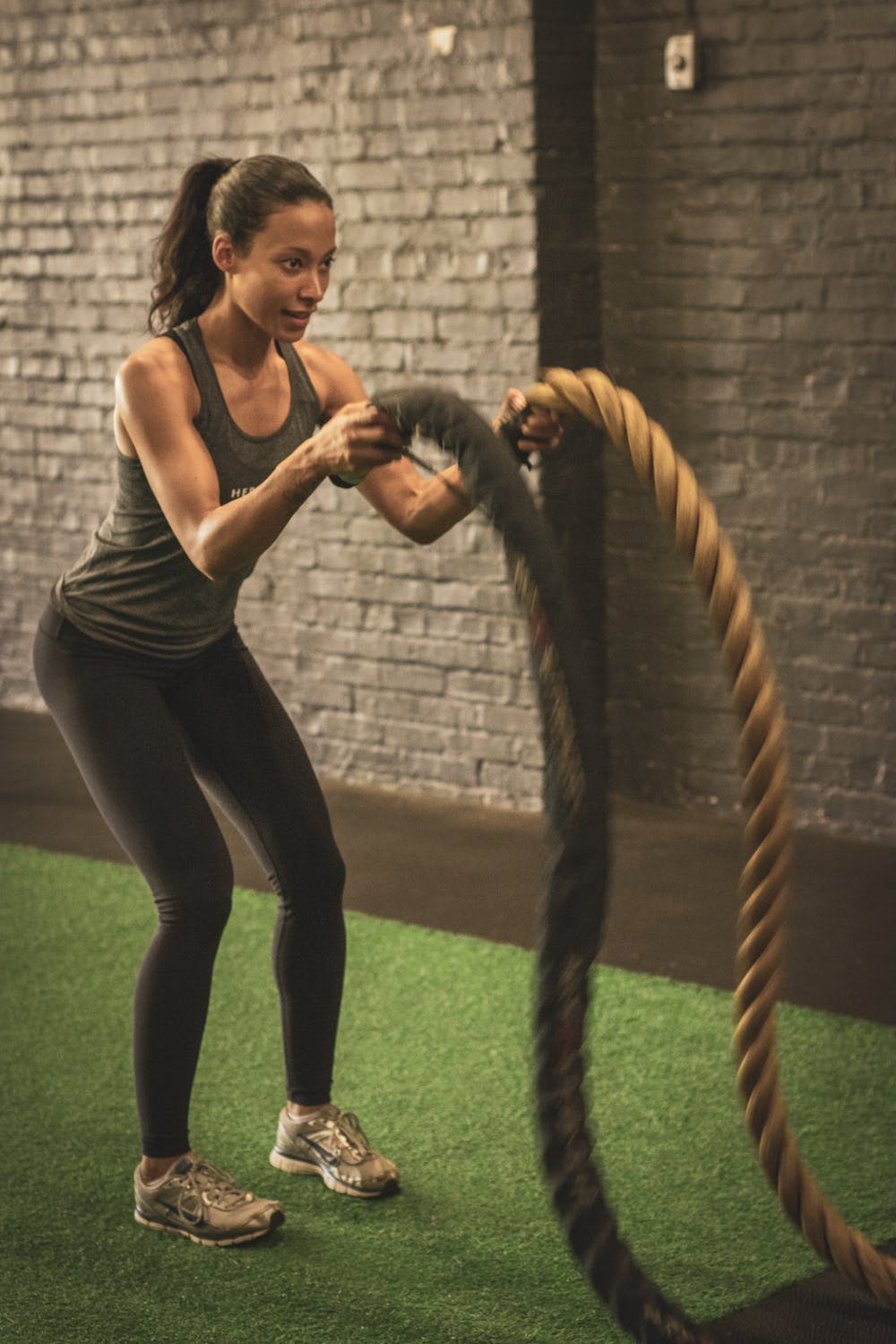
Exercise or diet, what's better for weight loss?
Especially in January, we are asked whether it is better to lose weight by exercise or by diet.The response I mostly give is that diet is the more efficient method but makes you grumpy and if you overdo it, will lose muscle, while exercise can make you happy, fit and strong.
A few years ago the discovery how in general, exercise doesn't make you lose weight made headlines.
In my former life as a long-distance cyclist I'd have shaken my head in disbelief.. after all, every single spring, fat would almost literally melt away once the cycling season started.
Anyhow, as counterintuitive as it seems to mile-eating cardio-junkies, exercising more is not the best solution to weight loss mostly because the weight piles on off-season.
True enough , once the season was over, the fat would pile on equally fast. Why?
Quite simply, unlike many of my cycling buddies who were also passionate about (marathon) skating, I didn't practice any other sport. Some others refused to skate indoor and only wanted to skate on natural ice, which has become a rarity in the the past 30 years!
Of course I knew exercise burns calories, but somehow it is very difficult to adjust to diet upwards or downwards as appetite lags behind so much!
One of my cycling heroes, known to come down to our part of the country all the way from Friesland by bike and ride 600+K each weekend would arrive in spring as the Michelin man and be 'lean and mean'by the end of spring.
This phenomenon is quite well known, especially among cyclists who are best known for being both 'fit and fat'.
This yearly struggle along with the desire to not be as unfit at the start of each cycling season, made me join a gym where they gave spinning classes. As it goes, you get interested in working out, start reading up on diet and then.. it dawns on you it is better to center your calories around the exercise!
Not just because it will increase performance, which was (obviously) dismal once I got into fat-loss-full-on-stress-mode, but also because it is easier to reduce calorie intake once the cycling season is over.
Or as an alternative, as my cycling hero did to compensate for years without ice to skate on, get yourself a home gym to work out in winter.
In other words, if fat loss is truly the main goal and you have quite a bit of weight to lose, the best way to lose weight at a reasonable pace is to combine exercise with a not too extreme diet. You will not lose weight very fast when you keep eating the same and only add extra exercise, unless you are able to spend 8+hrs/week exercising hard like us mile-eaters can do.
Seven tips that make weight loss easier
What would the best approach be for someone who is not used to exercising and wants to lose weight?
It depends on what the more important goal is. For someone who doesn't need to lose a lot of weight, it is possible to start exercising first. However, it is recommended to start with diet when you have a substantial amount of weight to lose.
1. Don't start with exercise and diet at the same time.
If you start a diet and exercise program at the same time, you could set yourself up for failure.
When you first start a diet and aren't used to exercise, you should not start them at the same time. Skip the gym for the first few weeks of your weight loss program. Besides, if you want to start on January 1, the gym will be overcrowded anyway!
Apart from avoiding the crowd, there are 2 more reasons why it's better to wait a little bit longer.
Cutting calories can cause fatigue, especially when you first change your diet. You can use natural methods to boost your energy, but you may still be too tired to exercise.
But more importantly, you should focus all of your attention on the diet. Even though both diet and exercise matter when you want to lose weight, diet matters more. If you put all of your energy into eating a healthy slimming diet at the start of your weight loss program, you will see results sooner.
Seeing weight loss results will help to keep you motivated when you add the challenge of exercise in the later weeks. So focus on healthy eating at the beginning of your diet and leave exercise for later.
2. But do increase Non-Exercise Activity (NEA)
Even though you should be cautious about exercising in the gym at the beginning of your diet, it doesn't mean you should not exercise at all. By staying busy all day, you will create what is called non-exercise activity thermogenesis (NEAT).
Non-exercise activity is everything you do throughout the day that isn't vigorous enough to count as exercise.
Walking the dog (or your partner), taking the stairs to your office, carrying groceries home from the store, or take a short walk during your coffee break to burn calories all counts as non-exercise activity which creates NEAT.
Even standing up behind your desk instead of just sitting down burns a substantial amount of calories.
One easy way to measure your NEAT is to count your daily steps with a pedometer or activity monitor. Start by trying to reach 10,000 steps per day. Then increase your goal to 15,000 or even 20,000 as you become more fit.
3. Postpone hard workouts
Once you have a calorie-controlled eating plan in place, your energy levels have adjusted to your new diet, and you've learned to maximize NEAT, it's time to add an exercise program. A healthy exercise program will help you to burn more calories, speed up the weight loss process and improve heart health. But it's best to begin slowly. So postpone the high-intensity workouts and start with an easy exercise program.
Easy exercise provides several important weight loss benefits. First, it helps to boost your confidence - especially if you are new to exercise or if you're starting a program after taking time off. An easy program will also prepare your muscles for more vigorous exercise, help to prevent injury and will enable you to build a workout habit that you'll stick to for life.
4. Stick with it
So what's the best workout for weight loss? It's the one that you do consistently. So you can skip the high-priced, trendy workout fads and do whatever workouts are most convenient for you, as long as you do them on a regular basis.
Of course, there are workouts that burn more fat. You'll find that high-intensity workouts provide the best fat-burning benefits both during and after exercise. But those workouts only provide noticeable benefits when you do them on a regular basis. If you choose to add trendy high-intensity workouts, like spinning, bootcamp, or P90X-style workouts, do so cautiously. Plan recovery workouts on the days after those sessions to give your body and brain a chance to recover and rebuild.
5. Vary workouts for better results
Variety is the spice of life - even at the gym. So when you feel like your body is falling into a rut and you're not getting the weight loss results that you want, it's time to mix things up and try a new program.
Smart exercisers don't do the same workout day after day. They complete workouts that use different body parts on different days. These exercises include aerobic exercise, strength training, and flexibility training workouts in their schedule to keep their bodies active. They also try different styles of workouts to keep their muscles moving.
To make the most of your workout program, try different types of exercise often. If you like to run, give spinning a try. If you usually lift weights or walk, learn how to do a circuit workout. You'll find that when you change your workouts, you change your body.
6. Muscles boost metabolism
Many weight loss workout experts will tell you how to burn calories with cardiovascular - or aerobic workouts. Spinning is an aerobic workout, walking can be an aerobic workout and stair climbing machines provide an aerobic workout. But muscle matters too. So it's important to lift weights at least 2-3 times per week.
So what's so great about muscle? With more muscles, you will burn more calories all day long. So you boost your metabolism when you build muscle. And pound for pound, muscles take in less space than fat, therefore lean muscles shape a tighter body. If you want to look great in your favorite clothes, you'll get there faster if you spend some time building muscle.
You don't need to go to the weight room to build strength. In fact, some of the most effective strength training exercises use body weight only. For example, push-ups pull-ups and single-legged squats.
7. Exercise improves long-term health
Even though diet matters more at the beginning of your weight loss program, exercise matters more for long-term weight maintenance. Experts recommend that you get at least 4 hours per week to keep the weight off for good. Does that sound intimidating? It won't be if you set up your program properly and slowly increase your weekly exercise minutes.
Remember, exercise is important for weight loss, but it's also important for longevity and healthy aging. If you stay active as you age, you'll stay lean and healthy, too. So invest both time and energy into creating a healthy workout habit that you can stick to for life.
A few more tips on how to diet
In conclusion, I'd want to give you a few more tips on your diet w/o referring to the type of diet, though you may want to read our blog articles on intermittent fasting and keto diet if you're interested in a few 'hip' diets.
Always cut out more calories than you think you need to cut. Not just because you would be surprised how many calories BLTs (bites licks and tasts) add up to, but also for psychological and physiological reasons.
Dieting can be HARD! Not just hard on the body but on the mind, too.
By cutting out a little bit more, you can leave space for a few fun foods you eat at a party or that dinner in a fancy restaurant you are invited to. Especially on formal occasions, you don't want to 'stand out' as that 'weirdo' or feel like a martyr for nibbling on nothing more but a simple salad.
The physiological reason is that your body will fight back and try to conserve energy: your thyroid inevitably slows down, no matter whether you cut out very few or a lot of calories! So if your thyroid slows down anyway, you're better off cutting out a LOT of calories and diminish the time you're 'suffering' and even prevent that slowdown if you play smart!
Depending on how much weight you have to lose, you can and MUST build in either 'fun meals' or very science-based 'refeeds'. Essentially a refeed boils down to eating a TON of carbs: NOT sugars but starches. As amazing as it sounds, they need to be as white and refined as possible, because the amount is so big that fiber would give too many digestive problems.
98% of us won't need to eat that many carbs, but very lean athletes and bodybuilders need to.. and as amazing as it sounds, 1-2 days later, after they lose the accompanying water weight (1 gram of carbs pulls in a lot of water!) , there is that famous 'whoosh' and ... tada, there are your magical ABS!
Another benefit is how the thyroid will receive a signal to rev up its metabolism!
In short, people that are told by their doctors or family/friends they should lose weight, can just take 2 fun meals a week to
get out of the dieting rut, and still have a bit of a social life whereas the other end of the spectrum needs to eat very disciplined too on their carb-up/refeeds in order to lose that last tidbit of fat w/o losing muscle and be ready for their show or 'make weight' for their competition.
Recent posts
- Daylight Saving Time: tips and tricks for a smooth adaptation
- Being a grandparent doesn't just bring joy but also rejuvenates your brain
- Wide awake at night but tired in the morning? How to cure insomnia!
- Fall prevention tips for elderly people
- How Heart Rate Variability can be an indicator of your well-being
- Biting insects, what causes them to be attracted to you and what can you do to repel them?
- How can athletes beat the heat with heat adaptation training?
- Health benefits of infrared light therapy
- How do you prevent a sunstroke or heatstroke?
- How to become super strong and muscular in a responsible way!
Author
Contents
Language for this blog

- Vestiging: Wageningen | Julianastraat 99 | 6707 DC | NL
- Telefoon: +31 (0)6 5107 9358
- Mail contact: orders@pasioonline.com
- Bestellingen worden gereed gemaakt voor verzending maandag t/m vrijdag tussen 9.00 en 16.00. Zaterdag tussen 10.00 en 14.00 uur. Bij verzending maken wij gebruik van PostNL en DPD. Afhalen alleen na afspraak en vooruitbetaald. Probiotica worden niet retour genomen.