


Citrus bergamot, a powerful antioxidant which reduces inflammation and improves blood sugar levels
Sep 22, 2024ir. Yvana van den HorkImmunity & Wellness, Inflammation, Antioxidants, Athletes, Fat loss, Blood sugar, Liver & detox, Heart & cardiovascular health, Anti-aging, Herbs and mushrooms
Citrus bergamot, a powerful antioxidant which reduces inflammation and improves blood sugar levels
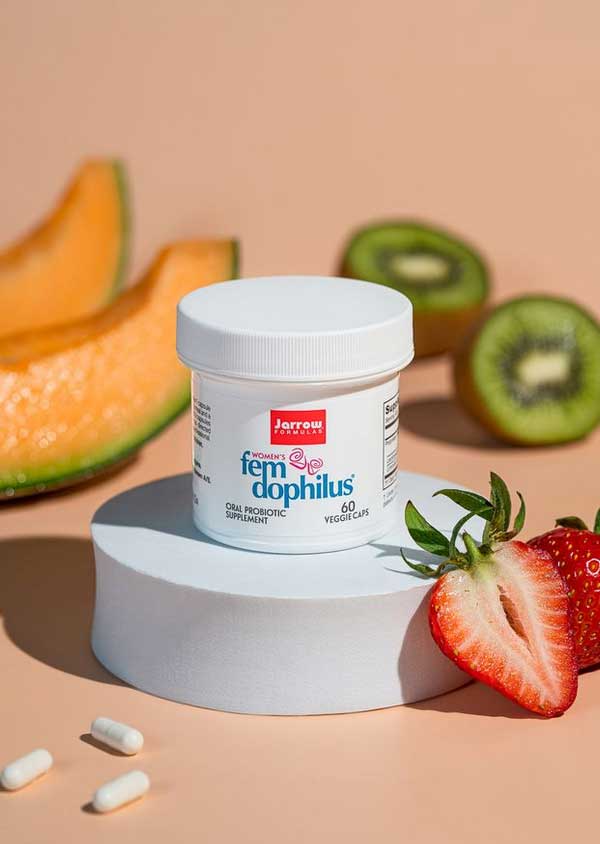
As some of you may know, perfume is one of my passions. Especially in fresh eau de cologne , bergamot is one of the most frequent used ingredients.Imagine my surprise when Jarrow Formulas introduced bergamot as a supplement a dozen years ago. At first it wasn't all that popular but over time its popularity grew steadily since there's an ever-growing amount of research backing up the health claims which seemedd too good to be true: it reduces blood sugar, helps with fat loss, is a powerful anti-oxidant, has anti-inflammatory and antimicrobial properties, and improves liver health.
With all those beneficial properties, bergamot deserved an article of its own.
What is citrus bergamot?
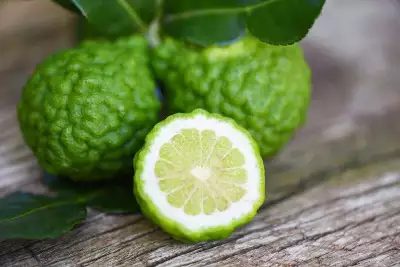
Citrus bergamot is a citrus fruit that’s almost exclusively grown in Calabria, Italy. The word “bergamot” comes from the Italian word “bergamotto” named for the Italian town of Bergamo.The fruit of this tree, known as bergamot orange, is a fragrant citrus fruit that’s the size of a small orange.
Citrus bergamot (Citrus bergamia) is an aromatic yet bitter-tasting citrus fruit that looks like a mix of an orange and a lemon. Due to its natural taste when eaten raw, many prefer to use it as an ingredient in other foods or beverages, such as juices or even in desserts.
Bergamot fruit is primarily used for its essential oils, these are obtained by rasping and cold pressing the peel. Bergamot essential oil is widely used as a perfume, cosmetic, and food as well as beverages such as Earl Grey Tea because of its incredible fragrance.
In traditional Italian medicine, bergamot fruit has been used to treat a variety of symptoms that include fever, sore throat, mouth and skin infections, and infections of the respiratory system and the urinary tract. Currently it is also revered for its ability to promote both heart health and longevity.
Modern research suggests that citrus bergamot benefits heart health, specifically by improving cholesterol levels. Bergamot also lowers blood sugar levels.
While this long-held cardiovascular health-boosting secret has supported healthy cholesterol levels for local Calabrian farmers and their families for centuries, the power of citrus bergamot remained out of reach for most until the 21st century.
It’s no secret that citrus fruit is rich in antioxidant-supporting nutrients — and citrus bergamot is no exception. But you may be surprised to learn that this superfruit actually contains more antioxidant properties than any other citrus fruit found throughout the world.
Indeed, a 2023 study showed that bergamot by-products are rich sources of antioxidant compounds on a quantitative basis, highlighting their enormous potential for pharmaceutical, nutraceutical and food applications.
Bergamot supports heart health
Citrus Bergamot can help reduce lipids in the body and lower the risk of cardiovascular disease.Studies have shown that the antioxidant polyphenols in citrus bergamot not only support healthy cholesterol levels but also support a healthy HDL (good) cholesterol to triglyceride ratio — a factor that’s some experts believe to be significantly more predictive of having poor cardiovascular health than the level of your LDL (bad) cholesterol alone.
In a study where bergamot was combined with artichoke leaf extract, this led to similar decreases in cholesterol and a reduction in waist circumference and fat tissue in adults with overweight. Combining bergamot with artichoke might be more effective than supplementing with bergamot alone.
While bergamot and wild artichoke contain many bioactive substances, the researchers attributed the effects to polyphenols, specifically. Polyphenols act as antioxidants, helping combat oxidative stress and protecting the body from free radicals.
They also stimulate lipophagy, the breakdown of fat droplets in the body. Citrus fruits are especially rich in a class of polyphenols called flavonoids, but bergamot, a bitter, inedible kind of citrus fruit, contains the highest concentration.
In an earlier study, researchers found that the combination of bergamot and wild artichoke extract could also decrease oxidative stress and combat vascular inflammation, or inflammation of the blood vessels in Type 2 diabetics with non-alocholic fatty liver disease.
Berberine is a phytochemical with similar cholesterol benefits to citrus bergamot.
Bergamot reduces fasting blood sugar levels
Elevated blood sugar, known as hyperglycemia, occurs when too much sugar is in the blood. In the long term, persistently high levels of blood sugar, even if not severe, can lead to complications affecting your eyes, kidneys, nerves, and heart.Researchers believe that the mechanism of action for bergamot’s blood sugar lowering activity is due to the Bergamot’s ability to activate AMP kinase (AMPK). AMPK helps our cells do clever things like using up sugar from our food for energy. In a sense, it helps to make sure our bodies use all their available resources wisely.
Various studies have looked into the effect of bergamot supplements on managing blood glucose levels in people with metabolic syndrome, which causes symptoms such as high blood glucose levels, high cholesterol levels and high blood pressure.
People with type 2 diabetes and hyperlipidemia, those who took a bergamot supplement showed a considerable reduction in fasting plasma glucose, serum LDL cholesterol, and triglycerides and an increase in HDL cholesterol.
Bergamot is a powerful anti-oxidant
Bergamot fruit is well known for its strong antioxidant profile.It’s thought that many age-related diseases are due to an increase in oxidative stress. The overproduction of free radicals could impair protein and fatty acid functions and could lead to DNA damage, and various other age-related disorders.
Bergamot juice is rich in flavonoids, including both flavone and flavanone glycosides. It contains robust antioxidant activities that correlate with its phenolic and flavonoid content. Bergamot juice also helped to counteract chemical-induced senescence (i.e. cell death).
Flavonoids in bergamot fruit were protective against various chemicals that are known to cause oxidative damage, including hydrogen peroxide and iron sulfate.
Bergamot helped to reduce oxidative stress in human endothelial cells.
Bergamot reduces inflammation
It’s well documented that inflammation is linked to many of the major health concerns we face today, which is why so many health experts tout the importance of keeping chronic inflammation under control. Fortunately, research has shown that citrus bergamot has the ability to help fight inflammation by inhibiting certain proteins that are known to cause or increase inflammation.The flavonoid fraction found in bergamot is able to reduce protein levels of pro‐inflammatory cytokines, and thus reduce inflammation.
Extracts made with bergamot peel had anti-inflammatory properties in endothelial cells exposed to tumor necrosis factor-alpha, a pro-inflammatory substance.
Bergapten and citropten are effective in reducing IL-8 gene expression, suggesting their potential anti-inflammatory role in mitigating lung inflammation.
Bergamot aids the cellular cleaning process
Citrus bergamot also benefits your health by activating autophagy, which is your body’s cellular self-cleaning process that promotes repair and restoration from the inside-out. Studies indicate that the fruit’s main compound, limonene, is responsible for jumpstarting this process and is most abundant in the peel of citrus bergamot.Bergamot has antimicrobial and antifungal properties
Bergamot essential oil is effective against a variety of bacteria and fungi.Infectious diseases are a major problem for public health because they are associated with high morbidity, mortality, and high healthcare cost. Natural herbs with antimicrobial properties are important because of their multifaceted defense mechanisms and low cost.
Bergamot essential oil is effective against types of bacteria, including Campylobacter jejuni, Escherichia coli, Listeria monocytogenes, Bacillus cereus, and Staphylococcus aureus. Bergamot essential oil was more effective against Gram-positive bacteria than Gram-negative bacteria.
Another study found that bergamot essential oil is effective against various strains of Listeria monocytogenes. Listeria monocytogenes is an intracellular, gram-positive bacteria that is responsible for causing listeriosis, a potentially life-threatening infectious disease.
Bergamot essential oil was also effective against Helicobacter pylori. It’s noted that H. pylori infection has been associated with chronic gastritis, peptic ulcer, and gastric carcinoma. Over 50% of the world’s population is thought to be colonized by this gram-negative bacterium.
Another study found that bergamot essential oil has antifungal properties. In this study, bergamot was shown to be effective against a variety of clinically relevant Candida species.
Bergamot alleviates anxiety
Bergamot is a common ingredient in many aromatherapy oils and preparations.People who inhaled bergamot orange essence prior to surgery experienced lower anxiety levels than those who inhaled odourless grapeseed oil.
Side effects and potential health risks
Bergamot is generally safe to use. There have been a few reports of adverse side effects, which are mostly related to applying bergamot essential oil to the skin.Some researchers have noted that bergamot fruit contains the compound bergapten which has been known to cause light sensitivity in some individuals. However, commercially produced products typically remove this compound.
Excessive intake of bergamot may be harmful, though they are very rare such as a case when a a man experienced a range of symptoms after drinking up to 4 liters of Earl Grey tea every day for 5 weeks. Earl Grey tea contains bergamot extract oil, which in large quantities was acting as a potassium channel blocker.
No information on the safety of bergamot orange in pregnancy or lactation has been identified, therefore pregnant women are advised to not take any risks and avoid bergamot.
Conclusion
Citrus bergamot contains more antioxidant properties than any other citrus fruit in the world, resulting in many health benefits.People have been using bergamot in traditional Italian medicine to treat symptoms such as sore throat and fever.
Bergamot is helpful for heart health, especially for cholesterol and blood sugar. It also appears that this fruit has strong anti-inflammatory and antimicrobial properties. It’s worth looking into bergamot if you are needing support in any of these areas.
To the main pageNext article
