


Wound healing: leave a wound exposed or not? On popular assumptions and role of vitamins

Wound healing: leave a wound exposed or not? On popular assumptions and role of vitamins
Sometimes it seems I'm the Überklutz as bad balance and absent mindedness made me crash down on my knee after forgetting to unfold one pedal of the folding bike and trying in vein to unfold it while riding.Thinking it was only a minor wound it only occurred to me to visit the physician two days later when the wound wouldn't stop bleeding : turns out I should have gone immediately as it actually should have been stitched, for which it was too late some 48 hours later.
The assistant told me to clean the wound with water three times a day and take antibiotics for a week.
Can't remember whether plasters were recommended or not, but by chance, that same night I listened to that very same topic on a Dutch cycling podcast (Tweewielers). Apparently wounds should be covered up and kept moist rather than to let them dry and exposed to air.
Apparently this discovery to keep wounds moist was already known by physicians in traditional medicin around the world such as China Egypt or Greece, with methods of which some are being rediscovered, such as the habit to treat wounds with honey.
Seems I'm not the only one to have a wrong perception on what's best for wound healing. Covering up always seemed superflous to me. What other popular assumptions are false or true? And what about supplements to take?
Ten popular assumptions
Do wounds heal better when exposed to air?
False. This an assumption that has persisted for decades. Surprising, as the top priority of wound care should always be to keep a wound as clean, germ-free and protected as possible. That is why after having cleaned the wound with disinfectant (free of alcohol, so that it doesn't hurt) you should always apply a plaster on the injured area!Good plasters are breathable and protect the wound from external influences, so that dirt and bacteria cannot penetrate and the risk of infection is reduced. In addition, the wound pad of the plaster will cushion the wound and protect from painful friction and pressure. Result: Wound healing can take place as undisturbed as possible.
Plasters are breeding ground for germs
False. Another common assumption is that bacteria are supposed to feel especially comfortable under a wound dressing.Quite the contrary is true: using the correct plaster to cover up a wound which has previously been cleaned out will protect it from contamination through germs and bacteria, thus preventing possible infections.
Especially anti-bacterial plasters containing silver as active ingredient of the wound pad are proven to act against a broad spectrum of bacteria and will promote wound healing.
The silver contained in their wound pad actually has a direct effect on the bacterias' cell metabolism, preventing a further increase in the number of bacteria and actively combating those microorganisms.
The better the wound care, the smaller the scar
True. For thorough cleaning and taking care of your injury with the right dressing or plaster will help your body heal the best it can. Thus, potential complications such as bacterial infections, re-tearing of the wound caused by external influences and crusty scabs are avoided - all of those being factors that would contribute to scarring.
Slow wound healing can be an indication for serious diseases
True. Wounds that take especially long to heal maybe a symptom of a disease such as diabetes mellitus, or may indicate an impaired immune system or blood circulation problems. Therefore it is important to have your wound checked by a doctor for possible causes if you suspect that it takes longer than usual to heal in spite of it being properly cared for.
The deeper the wound, the greater the pain
False. Thinking that this may be true makes sense, as it is easy to assume that a wound may be the more painful the deeper it is. However, just the opposite can be the case. Due to the large number of nerve fibres located just under the top layer of our skin (the epidermis) superficial abrasions or burns will often cause more pain than a cut that may happen when working in the kitchen or workshop. Any deep puncture wounds or cuts that bleed severely should always be cared for by a doctor!
Wounds just need a plaster on day one
False. Many people tend to apply a plaster in the acute phase of the injury only, that is, just until the bleeding has stopped. Then the plaster is removed and discarded as quickly as possible in order "to let the wound breathe".
Scientific studies have shown, that in most cases wound healing will proceed better and without complications if the wound is protected with a plaster until they have healed completely.
Alcohol cleans and disinfects wounds best
False. Careful! Unfortunately, this is one of the most common misconceptions around. Alcohol is not a good choice for cleaning and disinfecting an injury for a number of reasons: It will not only burn on your skin when being applied (which makes it particularly unsuitable for treating children´s wounds). What is worse is that it is completely unsuitable for extremely sensitive wound tissue. Experts recommend to use products free of alcohol, containing antiseptic agents for painless wound disinfection and cleaning.
Seawater supports the wound healing process
False. This is an assumption that seems to originate from pirate and adventure novels. Even if many of us would love to believe this romantic theory: we are afraid to have to tell you that it is complete nonsense.
What many people do not consider is that sea water may be severely contaminated, especially near those coast stretches - with a variety of highly unsavoury germs or chemicals "swimming" in it. Both of which would contribute significantly to the risk of an infection and can delay wound healing. In addition, contact with water will swell the skin, which may affect the process of wound closure. In this case, bacteria and germs may easily enter the wound and the risk of wound infection would be increased dramatically.
Wounds itch when healing
True. We all know the feeling: some time after an injury, the affected area will begin to tingle and itch. This goes especially for superficial wounds. And yes – in fact, this itching may indicate that the healing process is well on its way.
But do watch out! Should your wound be very red, suppurate, or the itching turn into a throbbing sensation, you should definitely consult a doctor because these could be signs of an infection that should be treated medically as soon as possible.
Small wounds need not be treated
False. Playing down a small wound? Unfortunately, many of us make that mistake. Though it should be clear to anybody that even the smallest pinprick offers a huge entry hole into our body for bacteria. Therefore: Always treat any wound with appropriate wound care, no matter how small it may be. This helps to prevent infection and will ensure optimal healing.
Taking proper care of your injury can seem to produce small miracles; especially if you use the right plaster to cover it. That is why it is worthwhile to always have a first aid kit at hand as well as a selection of different plasters in different sizes, so that you are be prepared for anything.
Hopefully this has cleared some misconceptions on the topic of wound care and brought you up to date, so that you and your family can benefit from the right wound care.
Always see your doctor if the wound is deep, bleeding or shows signs of infection like reddening, swelling or warmth.
Also make sure to seek medical help if you are not able to clean the wound properly.
In case you have diabetes a proper wound care is of special importance. Always discuss any concerns you may have with your doctor, even for the care of minor wounds and skin cracks – especially on your feet.
As for supplements to take more of, the most obvious one to use is vitamin C.
Vitamin C for wound healing
Vitamin C is a water-soluble vitamin also known as ascorbic acid. Humans don’t produce it on their own, though many animals do. It’s naturally present in some foods.The list of roles Vitamin C plays is massive, and highlights how crucial the vitamin really is. Ascorbic acid is necessary to biosynthesize collagen (which is a major component of connective tissue and crucial to wound healing) and certain neurotransmitters. It’s a physiological antioxidant, which regenerates other antioxidants in the body. It plays a major role in the function of the immune system. It also improves the absorption of the type of iron found in plant-based foods.
Vitamin C from food sources
Fruits and vegetables are the best sources for ascorbic acid intake. Most people get the majority from citrus fruits, tomatoes, and potatoes. A single glass of orange juice provides a full day’s worth of recommended vitamin C intake.Other good, natural sources include sweet peppers, kiwi, strawberries, Brussels sprouts, broccoli, and cantaloupe. Those are recommended because they are often eaten raw; cooking the product or storing it for a long time can lessen the content of the product.
How is vitamin C used to help with wounds?
Vitamin C is crucial to collagen formation. The tensile strength it provides makes sure the tissue can stretch without tearing. Ascorbic acid has also been known as an anti-inflammatory, and an antioxidant that protects against cell damage. Those benefits do not require doses higher than the daily recommended intake.Vitamin C also plays a role in the fight against cancer, the common cold, cardiovascular disease, macular degeneration due to old age, and the development of cataracts. While vitamin C does not serve as an overall prevention or cure-all for any of those diseases, it could have an impact on severity or length of those illnesses.
Most case-control studies have found an inverse association between dietary vitamin C intake and [several forms of] cancers. The use of vitamin C supplements might shorten the duration of the common cold and ameliorate symptom severity in the general population.
Dosage and precautions
The amount of vitamin C recommended in a daily dose changes depending on your age and physical state.Male adults over 19 years old need an amount of 90 mg a day, while female adults get by on 75mg a day, however women that are pregnant need more and almost twice as much when lactating (120mg/day)
Side-effects from taking too much Vitamin C are rare. Typically, excess Vitamin C simply comes out of the body when you urinate. If you take more than the upper limit of 2,000 mg a day, you could experience symptoms like diarrhea, nausea, heartburn, abdominal cramps, and headaches.
Other useful vitamins
Vitamin A
Vitamin A stimulates the inflammatory response and works by promoting the synthesis of collagen, which results in a speedier healing of the wound. Low levels of vitamin A can increase the risk of infection of the wound and delay the healing, so make sure you get enough of it through food or supplements.Vitamin E
Vitamin E can affect the wounds which have been infected with methicillin-resistant Staphylococcus aureus, and promote the healing of wounds and burns.Vitamin E is fat-soluble, which means that it can be stored in the body in small amounts.
Vitamin B-complex
Vitamin B-complex helps metabolize carbohydrates and proteins in the aim to produce energy, which is the main agent in wound healing and the growth of new cells. Vitamin B-complex is essential for collagen linkage and it helps the immune system fight the infection, thus promoting the healing process.Vitamin D
Vitamin D is essential for the proper healing of the wounds. When you have an injury your cells require a higher amount of vitamin D in order to heal. Vitamin D promotes the production of cathelicidin which is an antimicrobial peptide which aids in the fight against the infections.Conclusion
Put a plaster on wounds to keep them moist but re-apply at least once a day to avoid infections. Always take a good multivitamin and extra vitamin C to speed up healing from inside out. If you are on a fat loss diet, go back to eat at maintenance levels to supply the body with adequate energy to fight infection and build up new skin.
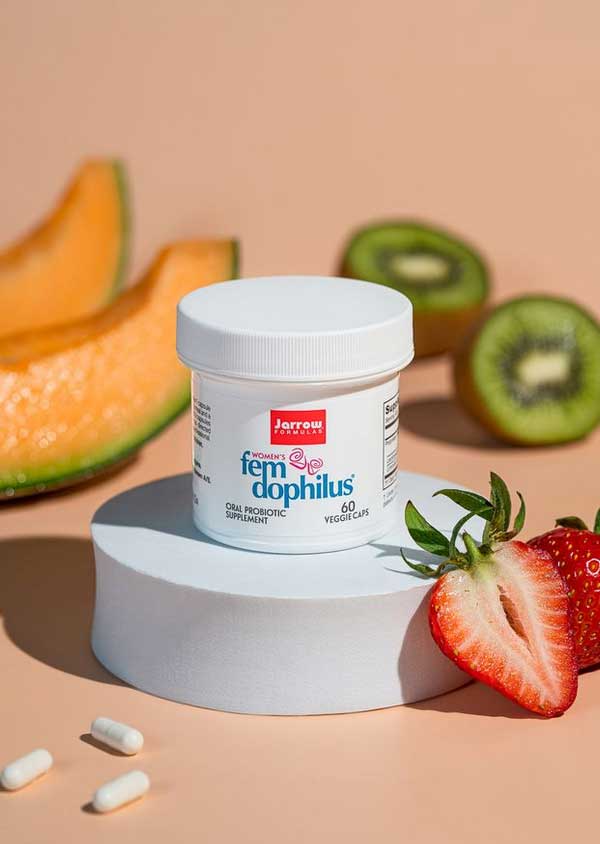
If necessary, take antibiotics to fight infections. Plus, after your course of antibiotics , another one of probiotics to revive your gut flora.
ETA: upon seeing my own doctor again I told her about the advice given to always cover up.She denied it and said it is really best to keep flushing out the wound as often as possible and only cover up when that is not possible.
Given that the vast amount of the information is given by plaster manufacturers or people paid by then, including the website where I derived the information from, I'll put more trust in her, especially given the fact she is an accomplished physician. Another reason is that plasters tend to stick to a wound and make it start bleeding again upon removal.
Recent posts
- A case of overreach and hubris: dare to face reality
- We are moving to a new store!
- Living with less stress by adopting a slow-living lifestyle
- Christmas and New Year's Greetings
- How to separate chaff from the wheat: can we trust mainstream media and bought scientists?
- About the emotional bond with your pet, a memoriam for Birgit
- Wind turbines and health: how unhealthy are they and how can you prevent a wind farm from being built in your neighborhood?
- Freedom of speech: 20 years after the assassination of Theo van Gogh, censorship is worse than ever.
- Normalcy, or how not to worry too much about the measles
- The WHO and its Pandemic Treaty: how will it affect our freedom?
Author
Contents
Language for this blog

- Vestiging: Wageningen | Julianastraat 99 | 6707 DC | NL
- Telefoon: +31 (0)6 5107 9358
- Mail contact: orders@pasioonline.com
- Bestellingen worden gereed gemaakt voor verzending maandag t/m vrijdag tussen 9.00 en 16.00. Zaterdag tussen 10.00 en 14.00 uur. Bij verzending maken wij gebruik van PostNL en DPD. Afhalen alleen na afspraak en vooruitbetaald. Probiotica worden niet retour genomen.