


Why are multivitamins important for your health? An ounce of prevention is worth a pound of cure!
Why are multivitamins important for your health?
Sometimes, when your only source of news is from mainstream media, it seems as if taking nutritional supplements is worse than taking medicines. Nothing could be further from the truth.Especially multivitamins and fish oil can be your cheapest way to top health in addition to a healthy diet. People following healthy diets, are as rare as diamonds and it most certainly doesn't mean following the latest fad diet where you must buy expensive exotic ingredients to be doing it right.
Sadly this is possible when the general public is not being educated properly. Even our national nutritional council (Voedingscentrum) still keeps spouting how you should be consuming artificial margarine instead of real butter as it 'contains extra vitamin D' while butter from grass-fed cows will contain this naturally.
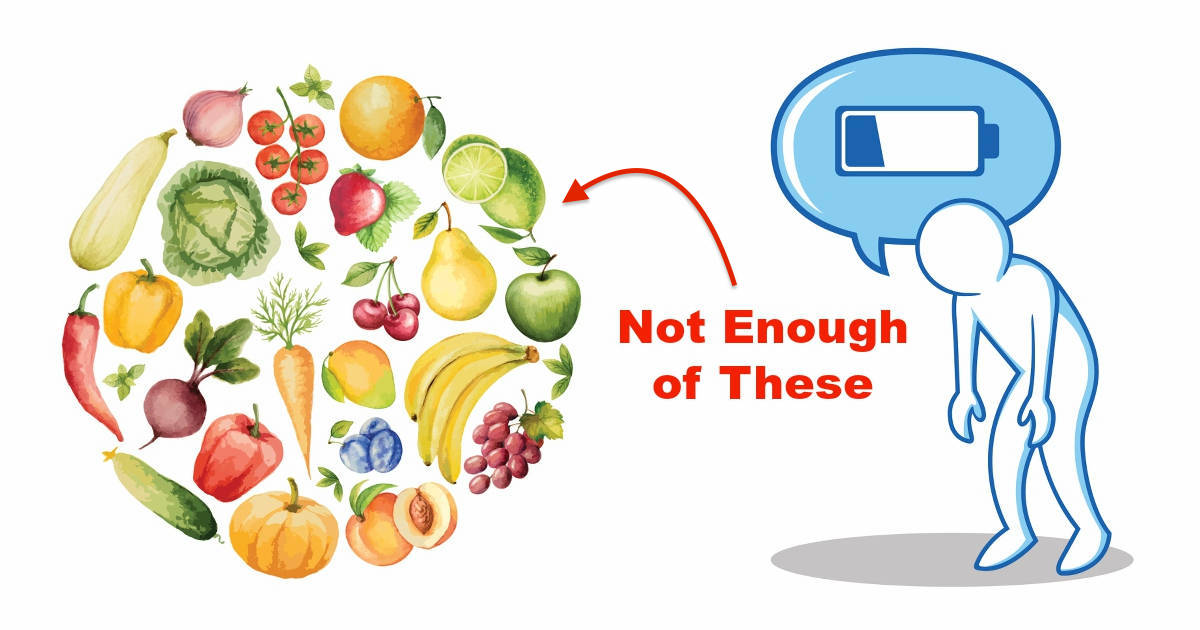
However, there is one truth that is universally embraced by almost everyone: in order to become healthier one has to consumer larger amounts of vegetables and fruits and less heavily processed foods. The sad truth is how most Dutch citizens don't even ingest 200 grams of vegetables and fruit on a given day, a far cry from the recommended 500 grams never mind the optimal 750 grams that is considered to be ideal when you're striving from longevity.
Deficiencies are common!
The truth is that without consuming extra vitamins and minerals, the vast majority of people ingest inadequate amounts of vitamin A, B-complex, D, E, magnesium and zinc.And that's even just the recommended daily intake to prevent deficiency-related diseases like scurvy (vitamin C deficiency), rickets (vitamin D deficiency), and pellagra (vitamin B3 and tryptophan deficiency). Those doses are too low for optimal benefits.
However, not all multivitamins are created equal.
Of course, the word multivitamin itself is a misnomer, since they contain both essential vitamins and minerals.
The vitamins are: A, C, D, E, K and the eight B-complex vitamins, which include thiamine, riboflavin, pantothenic acid, biotin, niacin, B6, B12 and folate.
Your body needs the right amount of these vitamins to help it function properly, and food is typically the best source.
Minerals are also essential to a healthy body. Like vitamins, they're best obtained from food. This category includes nutrients such as calcium, potassium, iron, copper, magnesium, iodine and zinc.
Who should take a multivitamin?
A multivitamin isn't designed to fully replace nutrients in your diet.While a multivitamin can benefit anyone, it is especially recommended to people who follow a diet that causes deficiencies by it's character, such as
- a calorie-restricted diet
- a diet with limited food choices due to allergies or a disease
- a vegetarian or vegan diet lacking nutrients unique to animal-derived micronutrients
- any diet that is not necessarily calorie-restricted but is restricted in food choices e.g. due to aversion against certain foods
Other people may have special needs for vitamins and minerals based on their age, gender or other lifestyle factors, which can be positive (sports) or negative (smoking, alcohol).
Older adults, for example, are at risk for being low in vitamin D, while menstruating women may require more iron.
What to look for in a multivitamin?
The majority of multivitamins available are totally synthetic, of very poor quality and subject to questionable manufacturing standards.If you want to be assured of a good-quality vitamin , it is recommended to choose vitamins that contain active forms of nutrients, instead of synthetic, such as
methylfolate (or biofolate) instead of folic acid,
pyridoxine-5-phosphate instead of generic pyridoxine,
active D3 (cholecalciferol) instead of inactive D2 (ergocaliferol),
active E (d-alpha) rather than undesirable dl-alpha vitamin E
vitamin K2 (menaquinone) or K4 instead of K1 (phylloquinone)
With minerals things aren't as critical but it should be emphasized again, that oftentimes, they still contain too much iron when targeted towards the general public.
Like with diet, no one type of multivitamin is right for every person.
You should choose a preparation that's relevant for your age, gender, stage of life and health history or health risk factors.
Ideally, you should have a nutritional assessment (e.g. blood work) to check for insufficiencies that could lead to a deficiency in the future.
However, such an assessment isn't always possible, so taking a comprehensive multivitamin supplement is your best bet.
Which type of multivitamin?
You may be tempted by the candy-like goodness of chewable multivitamins, but their dosage and quality is going to be considerably lower than that of a capsule or tablet. In general, capsules are easier to digest than tablets.
Powdered multivitamins are even easier to absorb, but many multivitamin powders are filled with artificial flavours to enhance the natural nasty taste of vitamins and minerals.
Gender or age-specific vitamins
Women and men have different physiologies, metabolisms and hormones, which means their daily nutrient requirements are slightly different.
Especially pregnant, post-menopausal or vegetarian women may be short on some key nutrients.
When selecting a multivitamin, women may look for one that offers adequate amounts of folate, vitamin B12, vitamin D, calcium and iron.
A man who doesn't eat a balanced diet, is sedentary or doesn't sleep enough could benefit from a multivitamin supplement.
Men have specific nutrient needs, too. An ideal men's multivitamin contains vitamin E to support prostate health.
It may offer extra magnesium to boost energy levels and the antioxidant vitamins A, C and E, as well as selenium and zinc to support heart health.
Men should also worry about the nutrients that support healthy bones, namely calcium and vitamin D. The carotenoids, often found in vitamin A, such as lutein and zeaxanthin, support eye health.
Older adults have different supplemental nutritional needs as their metabolism slows down. Their appetites are often lower, so it's harder to get nutrients from whole foods, and their ability to absorb certain nutrients is compromised, too.
As you age, you benefit from more calcium and vitamin D to help you maintain strong bones. Plus, vitamin B12 levels, which are essential to energy and many metabolic functions, can begin to lag in older adults. You may benefit from a multivitamin offering a healthy amount of this nutrient.
Older adults should also make sure their multivitamin contains adequate potassium, as it can reduce the risk of high blood pressure, especially when coupled with a low-sodium diet.
When to supplement with iron
Iron needs increase at certain times of life, especially in women who are pregnant or who have especially heavy menstrual bleeding or abnormal bleeding due to fibroids.
People with cancer or gastrointestinal disorders as well as those who have recently had surgery may also need extra iron.
If you're already on an iron supplement, you probably don't need a multivitamin with the mineral. The same is true if you eat a healthy diet with lots of iron-rich foods such as beef. Too much iron can cause side effects, such as constipation and nausea, and even be toxic in some people.
An ounce of prevention is worth a pound of cure!
As per conclusion of an American report titled 'Smart prevention - Health care cost savings resulting from the targeted use of dietary supplements:
"Targeted dietary supplementation regimens are recommended as a means to help control rising societal health care costs, and as a means for high-risk individuals to minimize the chance of having to deal with potentially costly events and to invest in increased quality of life."
Some of the diseases that may benefit include heart disease, diabetes-related heart disease, age-related eye diseases and osteoporosis.
This pertains for instance to
- animal-based omega-3, B-vitamins (notably biofolate, B6 and B12) and phytosterols (such as red yeast rice) preventing coronary heart disease
- lutein and zeaxanthin preventing age-related eye disease
- fiber and magnesium supplementation to for general health
Don't be afraid to consume a dietary supplement as they have a superb safety record in comparison to pharmacy drugs.
In any given year there were no or very few deaths from vitamins in the US. Not from multivitamins, mineral supplements, vitamin C, vitamin D, vitamin E, B vitamins, etc. None whatsoever.
Meanwhile, over a hundred thousand Americans die each year from drugs that, by medical standards, are properly prescribed and administered, and two million more suffer serious side effects. This does not include deaths and side effects from medical errors.
If you know how safe nutritional supplements are, you won't understand why they are still getting such negative press.
Unless you understand there is a well-orchestrated campaign to take away your rights and access to vitamins and supplements, often under the guise of safety.
Recent posts
- Essential nutrients for optimal thyroid function
- Importance of iodine for thyroid and general health
- Two important supplements to combat diabetes: Alpha Lipoic Acid and vitamin D
- Role of vitamin K: what's the difference between the various forms?
- Why everyone over 40 should use co-enzyme Q10 or ubiquinol
- Citrus bergamot, a powerful antioxidant which reduces inflammation and improves blood sugar levels
- Microdosing HHC : what is it, and why is it popular?
- Why is vitamin B5 important for our health? The versatile functions of pantothenic acid or pantethine in our body
- Why you need to think about supplementing vitamin D3 with vitamin K2
- The dangers of paracetamol overdose ; what are safe natural alternatives?
Author
Contents
Language for this blog

- Vestiging: Wageningen | Julianastraat 99 | 6707 DC | NL
- Telefoon: +31 (0)6 5107 9358
- Mail contact: orders@pasioonline.com
- Bestellingen worden gereed gemaakt voor verzending maandag t/m vrijdag tussen 9.00 en 16.00. Zaterdag tussen 10.00 en 14.00 uur. Bij verzending maken wij gebruik van PostNL en DPD. Afhalen alleen na afspraak en vooruitbetaald. Probiotica worden niet retour genomen.