

The dangers of paracetamol overdose ; what are safe natural alternatives?
The dangers of paracetamol overdose ; what are safe natural alternatives?
A few days ago my brother sent me a link to a recent Dutch tv-show called 'Pointer checkt' about the dangers of vitamin D. I'm still trembling with rage when I think about its simplicity and fear mongering.
Once again, as per usual in mainstream tv programs, taking a slightly higher dose than recommended by the Dutch Nutrition Center was ridiculed, by interviewing the ignorant 'man in the street', showing some popular Tiktok videos, without delving into scientific literature for even a second.Then tada, one expert (prof. Seidell) was asked for an opinion, who stated there was no hard scientific evidence for taking a high dose of vitamin D, but in contrast a high dose did entail a serious danger, namely that it causes arteries to calcify.
I was almost expecting him to claim you would die on the spot when taking a high dose of vitamin D. Which, by the way, has never ever happened with normal to high doses not even with what we would see as extremely high doses such as 25 up to 100,000 units.
Professor Seidell should have added you can counteract calcification in arteries by taking vitamin K2 at the same time, but even if he did, Pointer would not have broadcast it as this kind of nuance is not sensational enough in an effort to scare us.
Granted, at the same time, the interviewer did a good job having his vitamin D status checked, which turned out to be far below the recommended lower range. "But I'm outside so often in the summer," he lamented. He decided to take a vitamin pill after all, but no higher than the recommended dose of 800 international units. After all, more was really not necessary!
"Oh boy, that's barely enough to prevent deficiency, never mind to bring your levels up to a healthy range!" was my first thought.
Bringing it up to him would be pointless, such a guy would rather listen to a professor who wants to rely exclusively on double-blind peer-reviewed research. Research that hardly takes place with higher doses because there is no money to be made by Big Pharma from vitamin D.
In my opinion it is a criminal offense to recommend such a crazy low dose to someone with a dangerously low vitamin D status! A low vitamin D status has caused countless deaths during the Covid pandemic, since the vast majority of victims had a bizarrely low vitamin D status due to being sedentary, overweight, having coloured skin or being plain old. A characteristic of old people is how they do not get out into the sun enough while overweight people have too little circulating vitamin D in the bloodstream because this fat-soluble vitamin is stored in body fat, which means that the hormone cannot circulate properly through the body.
Unfortunately, it is common practice for general practitioners to prescribe such bizarrely low doses to their patients, even if someone is significantly overweight or has a dark skin, which limits the amount of vitamin D that is being produced.
At the same time, (para)medics have no inhibitions to steer people with aches and pains towards chronic use of paracetamol. If there is one thing to be careful about, it is the use of paracetamol!
Paracetamol is by far the most common cause of drug poisoning in the Netherlands or the entire Western world for that matter. There is an alarmingly small difference between the maximum dose of paracetamol that a person can and may safely take and a toxic dose.
In short, it is high time to delve into the issue of paracetamol toxicity instead of being afraid about vitamin D intakes that are lower than what we produce ourselves on a nice spring day.
The dangers of paracetamol
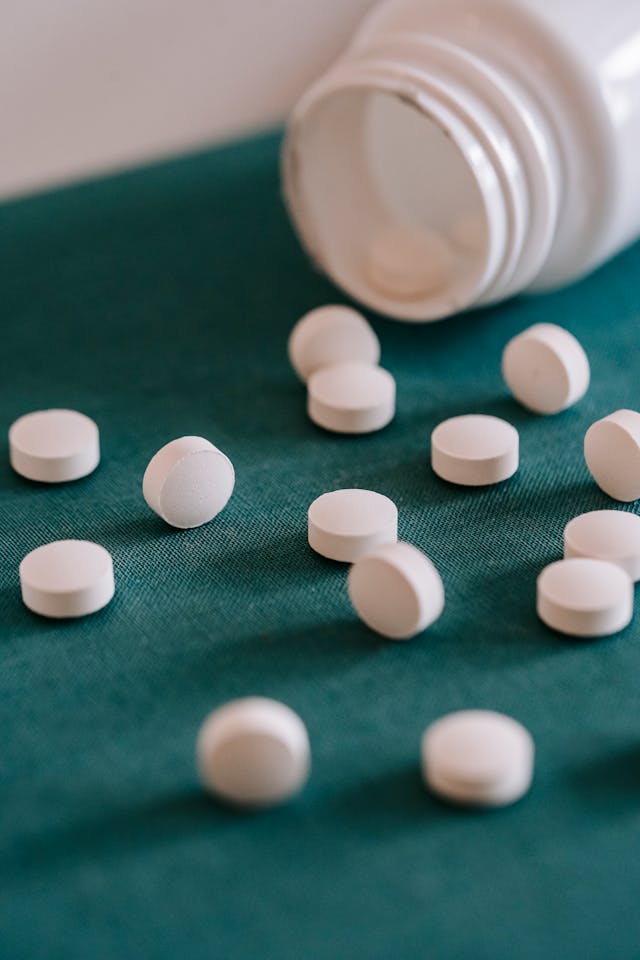
Paracetamol is the most common drug taken in overdose in most Western countries. In the UK alone 100K hospital visits are made after a paracetamol overdose.When taken in a normal dose, paracetamol is a safe and effective drug used to relieve pain and reduce fevers. Too high a dose however can result in liver damage, liver failure and death. Over the last ten years, there have been approximately 200 deaths each year from paracetamol poisoning in the UK and close to 600 in the USA where paracetamol is used less extensively.
Just a few paracetamol tablets over the recommended dose can potentially cause fatal liver damage, and there may be no symptoms until it is too late for treatment to help. There is an antidote for paracetamol poisoning and it is most effective within eight hours of the overdose, so getting help early is essential.
Paracetamol dosage
The recommended adult dose of paracetamol is 1 gram, four times a day. Each tablet of paracetamol contains 500 milligrams so this equates to two tablets four times a day with a maximum daily dose of 4 grams or eight tablets. At least four to six hours should be left between doses.You should not take more than this recommended dose. Some overdoses are taken intentionally as an act of self-harm but many are accidental. Taking a few extra tablets each day over a number of days could push you into harmful toxic levels and result in liver damage and possibly death.
If you have taken more than the recommended dose you should attend First Aid to be assessed as soon as possible.
How much paracetamol is an overdose?
Paracetamol is mainly cleared from the body by the liver. The liver can only cope with so much paracetamol at one time. A substance called glutathione is needed to neutralise the toxic break down components of paracetamol.If the glutathione runs out, then the toxic substances build up and damage liver cells. An adult body can produce enough glutathione to safely clear 4 grams of paracetamol every 24 hours which is why it is the recommended dose. Taking more than this amount risks permanent and even fatal liver damage.
There are other factors which determine how much paracetamol your body can safely deal with and these include:
- weight: the safe doses of paracetamol for children vary according to their body weight and a very light adult may be easily pushed into toxic levels
- liver disease: pre-existing liver conditions may reduce the ability of the liver to clear paracetamol
- alcohol abuse: long term alcohol misuse can reduce liver function
- medications: some medications increase the risk of liver damage from paracetamol
Any amount of paracetamol over the recommended dose could be classed as an overdose. Staggered overdoses, where people take more than the recommended dose over a period of hours or days can cause harm in the same way that sudden, large overdoses can.
Sometimes people take a small amount over the recommended dose every day with no intention of harming themselves, just to help ease their pains. This is called a therapeutic excess and can still be harmful. There may be no symptoms until liver damage is already established so the presentation to a doctor can be late and the condition irreversible.
Buying paracetamol
Paracetamol was first made available over the counter in the UK in 1963. Due to concern over the number of deaths from paracetamol overdoses, the Government placed restrictions on how much you could buy in one go. Reducing the amount to a maximum purchase of 8 grams (16 tablets) made it harder to overdose. Over the following ten years, the number of deaths from paracetamol poisoning fell by 43 per cent. The requirement for paracetamol to be sold in blister packs also made overdosing more difficult.Many products such as flu remedies and painkillers contain paracetamol. Always read the label carefully.
Paracetamol overdose symptoms
You may feel sick or have abdominal pain but the alarming thing about paracetamol overdose is that there may not be any symptoms for up to 12 days after ingestion. People are often unaware of this fact and of the dangers of paracetamol in excess so they may not seek medical help. When they do they may already have liver damage and treatment may not be successful.Liver damage can happen within a few days of paracetamol overdose. The symptoms and signs of liver damage include:
- nausea
- vomiting
- pain and tenderness in the right upper abdomen
- confusion
- jaundice (yellow tinged skin)
- low blood sugar (hypoglycaemia)
- unexpected bleeding (normal blood clotting is impaired)
- encephalopathy (damage to the brain)
Paracetamol overdose treatment
There is an antidote to paracetamol and accessing this as soon as possible is essential. The drug N-acetylcysteine is given intravenously (through a vein). It protects the liver from damage, this may work via increasing glutathione levels. It is most effective within 8 hours of an overdose but can be used up to and occasionally beyond 24 hours.N-acetylcysteine is given to people who have a certain level of paracetamol in their blood stream.
Blood tests for paracetamol levels are taken four hours after the overdose and the result is plotted on a graph to see if it falls above the treatment line.
Sometimes in the case of large overdoses or staggered overdoses, treatment with N-acetylcysteine will be started before the blood results are back.
N-acetylcysteine may also be given after 24 hours if signs of liver damage such as liver tenderness, jaundice or abnormal liver blood tests are present.
If someone presents to First Aid within one hour of ingesting a significant amount of paracetamol, they may be treated with activated charcoal. This is taken in liquid form and binds to paracetamol in the gastrointestinal tract reducing the amount which is absorbed.
Doctors will discuss cases of paracetamol overdose with the National Poisons Information Service if there is any doubt as to whether treatment is required.
Other treatments
Around 1 in 500 paracetamol overdoses result in liver failure. Liver failure can be fatal and the only cure is a liver transplant. The British Liver Trust say that emergency liver transplantation is uncommon and only 20 to 30 are carried out each year in the UK.If someone is very unwell with an overdose they may require treatment in an intensive care unit. It is common for people to take a variety of different medications when they overdose and each can have its own complications and treatments.
Everyone who has been admitted to hospital with an overdose needs to be seen by the psychiatric team before they are discharged home. Understanding why they took the overdose and what help and support they need is essential. It may be the first time the person has admitted they aren’t coping. It is important to ensure they are not at risk from harming themselves again and have ongoing treatment arranged for their mental health.
There is ongoing research to find new treatments for paracetamol overdose that will be effective beyond the eight-hour window that current treatment with N-acetylcysteine offers.
Natural alternatives to paracetamol
Pain medication isn’t the only option available to you for pain relief. Next time you’re experiencing a toothache, back pain, or any other pain, you can try an herbal and natural pain reliever instead.Herbal pain relief
BoswelliaBoswellia, otherwise known as frankincense, is often used in Ayurvedic medicine. The resin from Boswellia serrata trees is what is typically turned into tinctures, pills, or topical treatments.
Boswellia is often used to treat asthma symptoms, arthritis, inflamed colon, general inflammation, brain swelling, reduction of skin damage due to radiotherapy
Boswellia has been found to be an effective, safe treatment for osteoarthritis (OA), easing pain and stiffness.
While Boswellia is generally safe, topical application can cause an allergic reaction in some people. It may also negatively interact with certain medications, including anticoagulant and antiplatelet drugs. If you’re taking one of these drugs, Boswellia extract may increase the possibility of bleeding.
Turmeric / Curcumin
Turmeric is the spice that gives curry its signature yellow hue and unique flavour. It contains the active ingredient curcumin, an antioxidant that helps protect the body from free radical molecules that can damage cells. It has also been well studied for its ability to ease swelling and reduce inflammation.
Though most commonly used as a spice, turmeric is also available in supplement form and is often paired with piperine, a compound found in black pepper, to increase its absorption. More advanced variants contain a lipid envelope (phytosome) that improves absorption.
Turmeric may be useful for the treatment of many conditions, including indigestion, ulcers, stomach upset, psoriasis, inflammation caused by conditions like osteoarthritis.
Though turmeric is generally considered safe, several side effects have been reported. Some of the most common side effects include nausea, diarrhea, headaches, rashes and yellow stool.
Cloves
Whole cloves are often used to spice up meat and rice dishes. Ground cloves are used in pies and many other foods. Cloves are also widely used as a natural pain reliever due to their content of eugenol, a natural pain reliever that’s also used in some over the counter pain rubs.
Cloves can be found in capsule or powder form. Clove oil is also available and can be applied topically to reduce pain.
Clove is often used to treat a wide range of conditions, such as nausea, colds, headaches, arthritic inflammation, toothaches, indigestion and diarrhea.
Heat and ice
Among the most common home pain remedies is applying heat and ice directly to sites of pain. While this treatment may seem obvious, not everyone is clear on exactly when to use ice versus heat.Applying an ice pack to reduce swelling and inflammation shortly after you experience a strained muscle, tendon, or ligament may bring relief.
Interestingly, once the inflammation has decreased, heat may help reduce the stiffness that comes with sprains and strains.
A heating pad or cold pack used briefly on the head may also help reduce the pain of a headache, while an ice pack can help relieve low back pain.
If your painful problem is arthritis, moist heat applied to the affected joint will help more than ice. Moist heat packs can be warmed in the microwave and used many times, making them effective and easy to use.
Applying an ice pack may help treat issues like swelling, bleeding, inflammation, headaches, low back pain, strained muscles, tendons, or ligaments.
Meanwhile, applying heat can provide relief from conditions such as joint stiffness, muscle spasms, arthritis, headaches.
Applying heat or ice to an injury for too long could increase the risk of burns and other side effects.
Some of the most common side effects of heat or cold therapy include burns, ice burns or frostbite, numbness, itchiness, pain and blisters.
Be careful when managing pain
The natural pain relievers described above may only be effective for specific causes of pain and may not work for everyone.However, these natural options may at least give you a few options to try, either alone or paired with prescription or over-the-counter medications.
Remember, pain is the body’s signal that something is wrong. It may be temporary, as with a strained muscle, but it may also signify a serious health problem that requires medical treatment.
We hope you understand how one needs to be very careful in recommending to 'just take paracetamol' in order to combat unusual pain.
It is better to pay very good attention to why and when the pain happens and try to take away the root cause of a problem, be it chronic inflammation or painful hormonal complications such as endometriosis.
As they say, forewarned is forearmed!
Recent posts
- Essential nutrients for optimal thyroid function
- Importance of iodine for thyroid and general health
- Two important supplements to combat diabetes: Alpha Lipoic Acid and vitamin D
- Role of vitamin K: what's the difference between the various forms?
- Why everyone over 40 should use co-enzyme Q10 or ubiquinol
- Citrus bergamot, a powerful antioxidant which reduces inflammation and improves blood sugar levels
- Microdosing HHC : what is it, and why is it popular?
- Why is vitamin B5 important for our health? The versatile functions of pantothenic acid or pantethine in our body
- Why you need to think about supplementing vitamin D3 with vitamin K2
- The dangers of paracetamol overdose ; what are safe natural alternatives?
Author
Contents
Language for this blog

- Vestiging: Wageningen | Julianastraat 99 | 6707 DC | NL
- Telefoon: +31 (0)6 5107 9358
- Mail contact: orders@pasioonline.com
- Bestellingen worden gereed gemaakt voor verzending maandag t/m vrijdag tussen 9.00 en 16.00. Zaterdag tussen 10.00 en 14.00 uur. Bij verzending maken wij gebruik van PostNL en DPD. Afhalen alleen na afspraak en vooruitbetaald. Probiotica worden niet retour genomen.