
City:
Your city
- Office: Wageningen | Julianastraat 99 | 6707 DC | NL
- Phone: +31 (0)6 5107 9358
- Business hours: Mon-Sun 09.00 - 16.30
- Mail contact: orders@pasioonline.com
- All orders ship Monday through Friday from 9am-16pm. Saturday 10am-14pm. We ship via PostNL and or DPD. Pick-up orders only pre-paid. Probiotics are subject to a no-return policy.
Categories
Categories
Categories



+31 (0)6 5107 9358
+31 (0)6 5107 9358
Mon-Fr 9a.m.-6p.m.
AddressNetherlands, Wageningen, Julianastraat 99
Myocarditis: what is it, who is at risk and how is it recognized?
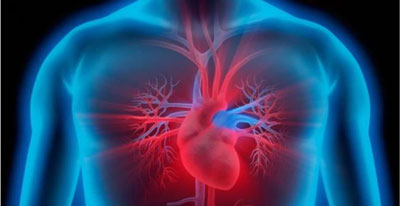
Myocarditis: what is it, who is at risk and how is it recognized?
Now the majority of European citizens are being offered booster vaccin in order to enhance protection against COVID, the medical authorities have also decided to allow for the vaccination of young children aged 5 and older.
This has caused a lot of concern becasuse children are rarely if ever seriosuly ill from COVID. Not from the delta variant and most certainly not from the most recent omicron variant. In contrast, while relatively rare, side-effects from vaccins do happen among children as well, among which the much discussed , myocarditis and pericarditis.
The counteracting argument is mostly how people who contract COVID or any virus infection actually also run an increased risk to contract myocardities. This is true, however that risk is said to be greater for senior citizens than it is for children, while on the other hand, the risk is said to remain the same regardless of age when it comes to vaccination.
At this moment (early 2022) experts are having radically opposing views in which one group of experts vehemently opposes the idea of vaccination because the risk of side-effects are larger than the possible benefit of not getting seriously ill from COVID which would not happen to most children anyway, while the other group of experts claims children die of COVID19 as well and should be protected by means of a vaccin.
While we personally decided to not take the risk of possible side-effects such as myocarditis or neurological disorders, we feel everyone is free to take their own decision. Besides, only time will tell who was right or wrong.
But, at the very least, we can give you more information on myocarditis itself and explain what it is, so you may recognize when it happens to you or your loved ones, regardless whether it is after an infection or vaccination.
What is myocarditis?
Myocarditis is classified as a rare disease but is estimated to affect thousands of adults and children around the world each year.
Myocarditis is a disease that causes inflammation of the heart muscle. This inflammation enlarges and weakens the heart, creates scar tissue and forces it to work harder to circulate blood and oxygen throughout the body.
While we often associate cardiovascular conditions with elderly populations, myocarditis can affect anyone, including young adults, children and infants.
In fact, it most often affects otherwise healthy, young, athletic types with the high-risk population being those of ages from puberty through their early 30’s, affecting males twice as often as females.
Myocarditis is the 3rd leading cause of sudden death in children and young adults.
Myocarditis causes
Viral infections are a leading cause of myocarditis. Inflammation occurs during the course of infection, putting stress on the heart that remains even after the infection is resolved. Cancer, bacterial infections (especially Borrelia, causing lime disease) and other contagious diseases can also cause myocarditis, as can exposure to environmental toxins ranging from metal poisons to spider and snake venom.
A significantly smaller group of individuals with autoimmune conditions, may develop giant cell myocarditis. This variation of the disease often results in rapid deterioration but may still respond successfully to treatment, especially when diagnosed early.
What are the symptoms of myocarditis?
One of the greatest challenges to the diagnosis and treatment of myocarditis is the lack of specific symptoms of myocarditis.
In many cases, individuals experience no symptoms of myocarditis at all. When they are present, symptoms may point to the viral infection itself or suggest other cardiac problems such as a heart attack. Common symptoms of myocarditis can include, but are not limited to:
- shortness of breath, especially after exercise or when lying down
- fatigue
- heart palpitations
- chest pain or pressure
- lightheadedness
- swwelling in the hands, legs, ankles and feet
- a sudden loss of consciousness
If you recognize one or more of these symptoms after you suspect a viral infection or have recently been vaccinated, it is important to speak to your doctor right away.
How is myocarditis diagnosed?
The majority of cases of myocarditis have no symptoms and are not diagnosed. However, when a person develops symptoms, common tests for myocarditis include the following:
- an electrocardiogram: electrical activity of your heart is detected by electrodes taped to your skin. This activity is recorded as waves that represent the electrical forces in the different parts of the heart.
- a chest X-ray: a chest X-ray produces an image on film that outlines your heart, lungs and other structures in your chest. From a chest X-ray, your physician learns information such as the size and shape of your heart.
- an echo(cardiogram): high-pitched sound waves are used to make an image of your heart or analyze blood flow. The sound waves are sent into your body from a transducer, a small plastic device. The sound waves are reflected back from internal structures, returning to the transducer and producing images of the heart and its structures.
- a cardiac MRI-scan : an MRI (magnetic resonance imaging) creates images using a magnetic field and radio waves.
- a heart biopsy is occasionally required to confirm the diagnosis.
After myocarditis
After treatment, many patients live long, full lives free from the effects of myocarditis.
For others, however, ongoing cardiovascular medication or even a heart transplant may be needed.
Overall, myocarditis which can cause dilated cardiomyopathy, are thought to account for up to half of heart transplants.
Healthy lifestyle changes can also support proper heart function. Your doctor may recommend that you reduce sodium in your diet, avoid alcohol, limit fluid intake and quit smoking. It’s also generally advised that you avoid competitive sports and other rigorous exercise for a period after diagnosis, to be determined by the cardiologist.
And while it’s possible for the disease to come back, more-so in giant cell myocarditis, it is extremely rare.
There is no known way to prevent recurrence of myocarditis. However, the risk of recurrence is low, probably about 10 to 15%.
What can be done to prevent myocarditis?
Because myocarditis is rare, information is limited regarding its causes and effective treatments. Myocarditis is not believed to be inherited. No genes are known to predispose people to myocarditis.
Officially, there are no medical treatments are known to prevent viral myocarditis.
However, dr. Mercola handed out the following advice.
When your child has already received one or more vaccin doses, and you hope to lessen their risk of cardiac and cardiovascular complications, there are a few basic strategies one can implement for when there are no adverse symptoms yet.
However, if your child experiences any symptoms of a cardiac or cardiovascular problem, seek immediate medical attention.
- measure their vitamin D level and make sure they take enough vitamin D orally and/or get sensible sun exposure to make sure their level is between 150 to 2000 nmol/l (60 ng/mL and 80 ng/ml).
- eliminate all vegetable seed oils in the diet. Avoid sauces or salad dressings as they are typically made from vegetable oil.
- start using 500 milligrams per day of NAC, as it helps prevent blood clots and is a precursor for the important antioxidant glutathione.
- start using fibrinolytic enzymes, such as nattokinase that digest the fibrin that leads to blood clots, strokes and pulmonary embolisms. The dose is typically two to six capsules, twice a day, but must be taken on an empty stomach, either an hour before or two hours after a meal. Otherwise, the enzymes will merely act as a digestive enzyme rather than digesting fibrin.
Recent posts
- Better fit and fat than lazy and thin? Fit at every size, yet 'fat but healthy’ is a myth!
- Gut health and sleep: can your microbiome keep you up at night?
- Is chewing gum bad for your health? Chewing gum exposes us to microplastics and may ruin dental health
- Radiation from wearable devices, is it a reason for concern?
- Diabetes and heart disease , how they are related and what can you do about it?
- Acute versus chronic pain: what's the difference and how to get rid of it or learn to cope with it?
- How common are spinal or foot abnormalities?
- Why are fertility rates declining around the world?
- What virus have I been affected by? What is the best way to deal with a viral infection?
- On anosmia, the loss of your sense of smell and how to regain the sense of smell naturally
Author
Yvana van den Hork
Rank: Senior Editor
Position: Director
She holds an MSc in Toxicology and Biology of the Wageningen University
All author posts
Contents
Language for this blog
Pasio ingredients

- Vestiging: Wageningen | Julianastraat 99 | 6707 DC | NL
- Telefoon: +31 (0)6 5107 9358
- Mail contact: orders@pasioonline.com
- Bestellingen worden gereed gemaakt voor verzending maandag t/m vrijdag tussen 9.00 en 16.00. Zaterdag tussen 10.00 en 14.00 uur. Bij verzending maken wij gebruik van PostNL en DPD. Afhalen alleen na afspraak en vooruitbetaald. Probiotica worden niet retour genomen.
My account
Customer Service
Klantenservice
© 1998 - 2026 Mungotedo LLP.