



Lyme disease : what is it and how can it be treated?
Lyme disease : what is it and how can it be treated?
Most of us like to go out in the summer and then the sea and the mountains are popular destinations.
Those who have little time often relax best by taking a lovely walk. Especially on a warm summer day, but especially in autumn when deciduous forests show beautiful colors, it is pleasant to relax in a wooded area.
Unfortunately, a good part of the fun of a walk in the woods is spoiled by fear of a tick bite. Personally I know a handful of people in my vicinity who already suffer from Lyme disease. So let's talk about Lyme disease.
What is Lyme disease?
Lyme disease is a type of bacterial infection. The bacteria Borrelia burgdorferi causes most cases of Lyme disease, while Borrelia mayonii is responsible for others.
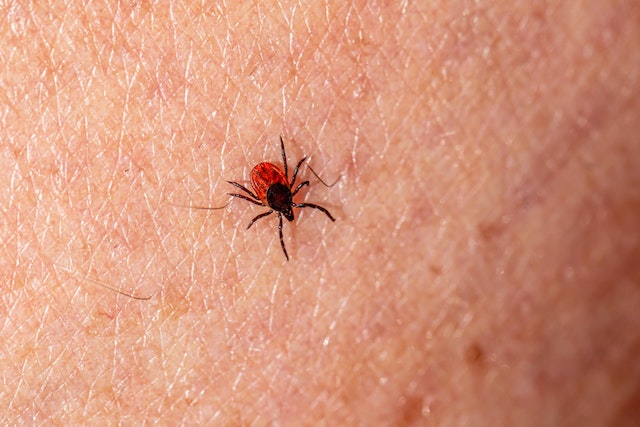
Ticks carry the bacteria that cause Lyme disease, and the ticks can spread it to humans and animals. A tick must remain attached to the skin for at least 36 hours to infect a person. Tick bites are most common in the warmer months of spring and summer when ticks are most active.
Symptoms
Most tick bites resemble a small bump on the skin. If the tick does not carry the infection, the bump should disappear within a few days.
Some people who get Lyme disease may develop a characteristic bullseye rash. Doctors refer to this rash as erythema migrans. The rash may feel warm when a person touches it but is rarely painful or itchy. Not everyone who is bitten by an infected tick develops the bullseye rash.
Without treatment, Lyme disease may progress through three stages: 1. early localized 2. early disseminated 3. late disseminated
Each stage may trigger different symptoms. However, the stages can overlap, and some symptoms are common to all three.
Stage 1: Early localized Lyme disease
Stage 1 or early localized Lyme disease occurs 1–28 days following a tick bite.
Some people with stage one Lyme disease do not experience any symptoms. If symptoms do occur, they may include the following:
- a skin rash that may or may not resemble a bulls-eye
- flu-like illness, including chills and a fever
- fatigue
- a headache and stiff neck
- swollen lymph nodes
Stage 2: Early disseminated Lyme disease
If stage 1 Lyme disease remains undiagnosed and untreated, it can progress to stage 2, or early disseminated, Lyme disease. This stage occurs 3–12 weeks after the initial tick bite.
The term disseminated indicates that the bacteria have spread throughout the body. At this stage, the infection may affect the following tissues: skin, joints, nervous system and the heart
A person who has progressed to stage 2 Lyme disease may develop new symptoms alongside those from stage 1. These new symptoms may include:
- new rashes across the body
- conjunctivitis or vision problems
- swelling in large joints, such as the knee
- pain, weakness, or loss of sensation in the arms or legs
- facial paralysis (Bell’s palsy)
- heart palpitations and chest pain
- dizziness
- shortness of breath
- poor memory and concentration
Stage 3: Late disseminated Lyme disease
Stage 3 or late disseminated Lyme disease is the final stage of the disease. A person may enter this stage if they did not receive treatment for Lyme disease in the early stages, or if their symptoms persisted despite treatment. As such, doctors sometimes refer to this stage as chronic or post-treatment Lyme disease (PTLDS).
Stage 3 Lyme disease can occur months or years after an infected tick bites a person.
A person with stage 3 Lyme disease may experience additional symptoms, including:
- severe joint pain and swelling, known as chronic Lyme arthritis
- heart palpitations or irregular heartbeat, due to Lyme carditis
- inflammation of the brain and spinal cord
- mental fogginess
- severe fatigue
Diagnosis
Two types of blood tests can help diagnose Lyme disease. These tests detect specific antibodies that develop in response to Borrelia burgdorferi or Borrelia mayonii.
However, antibodies can take several weeks to develop. If a person has only recently received a tick bite, a blood test may return a negative result despite the presence of bacteria in the bloodstream.
If a person’s symptoms persist despite a negative test result, their doctor may repeat the blood test a week or two later.
Complications
A small number of people continue to experience symptoms of Lyme disease years after completing a course of antibiotic treatment. These symptoms may include:
- reduced energy levels
- tiredness and fatigue
- body aches
- problems with concentration and memory
- difficulty sleeping
Lyme disease may also exacerbate existing health conditions in some people.
Around 1 in every 100 people who develop Lyme disease go on to develop Lyme carditis. This occurs when the bacteria responsible for Lyme disease enter the heart muscle and interfere with the heart’s electrical signaling.
This can lead to symptoms such as chest pain, heart palpitations, and heart block resulting from a conduction abnormality. The vast majority of people recover from Lyme carditis following appropriate antibiotic treatment; although it can be fatal, this is very rare.
Chronic Lyme disease
The medical term for chronic Lyme disease is post-treatment Lyme disease syndrome (PTLDS). A doctor will diagnose a person with PTLDS when they continue to experience symptoms of Lyme disease 6 months or more after finishing antibiotic treatment.
Around 10% of people who develop Lyme disease go on to develop PTLDS. The condition tends to occur when there has been a delay between the initial infection and the antibiotic treatment.
Experts have not yet identified the exact cause of PTLDS. A 2015 review notes that an auto-immune response in the body, which causes symptoms long after the infection has gone, may trigger it. A similar reaction sometimes occurs following other types of infection.
There is no specific treatment for PTLDS. Lengthy courses of antibiotics can cause serious complications, so people may need to wait for the condition to resolve. Most people with PTLDS make a full recovery, although it can take months to feel completely well.
Prevention
Ticks are most prevalent in wooded, grassy, or brushy areas and are most active between April and September.
There are certain precautions a person can take to prevent being bitten by a tick. These include:
- using an insect repellent
- wearing long pants and long sleeves when walking in tick-infested areas
- keeping to the center of hiking trails, and avoiding walking through wooded, grassy, or brushy areas.
- using a hand-held or full-length mirror to check the body for ticks after coming indoors
- showering soon after coming indoors
How to remove a tick
A tick must remain attached to the skin for at least 36 hours to spread Lyme disease. The best way of preventing Lyme disease is to remove a tick as soon as possible.
Ticks are best removed using fine-tipped tweezers by gently grasping the tick near its head or mouth. Avoid squeezing the tick.
Pull the tick carefully and steadily away from the skin. Avoid yanking or twisting the tick, as this could cause its mouthparts to remain in the skin.
After removing the tick, dispose of it by putting it in some alcohol or flushing it down the toilet. Apply antiseptic to the tick bite.
When to see a doctor
A person should see a doctor if they have recently received a tick bite. It is not possible to know whether a tick is carrying Lyme disease, and the symptoms may take weeks to appear.
The earlier a person receives a diagnosis and treatment, the higher the likelihood of a quick and complete recovery.
It is not always possible for a person to tell if a tick has bitten them. As such, people should also see a doctor if they experience any Lyme disease symptoms. A doctor will ask about the person’s symptoms and duration and whether the person has spent time in tick-infested areas.
How is Lyme disease treated?
Usually, tick bites do not lead to Lyme disease. People who do develop Lyme disease often make a full recovery after taking a course of antibiotics.
The most common treatment for early stage Lyme disease is a 14-21 day course of oral antibiotics such as doxycycline for those age 8 or older.
Once Lyme disease has developed, antibiotic treatment is given for an extended period of up to 6 weeks.
Treatment should be extended or repeated in the event of persistent or recurrent symptoms
Prophylactic (preventive) treatment should be considered when bitten by a tick in a Lyme endemic area because left untreated the bacteria can cause severe cardiac, arthritic and neurologic abnormalities, as well as meningitis.
A patient who seems symptom-free of Lyme should be vigilant for signs of recurrence, as should his or her doctor. Relapses can occur. Many patients can do fine for a period of time after being treated, then start to experience the same or new symptoms.
Stressful life events — a head injury, divorce, surgery, etc. — can trigger the reemergence of symptoms. At such times it’s difficult to tell if the new symptoms are from a recent tick bite gone undetected, or if it is the recurrence of an old infection.
Herbal remedies
Seven different plant extract were effective effective against the Lyme disease bacteria in a laboratory setting:
- Ghanaian quinine (Cryptolepis sanguinolenta)
- Black walnut (Juglans nigra)
- Sweet wormwood (Artemisia annua)
- Cat’s claw (Uncaria tomentosa)
- Japanese knotweed with resveratrol (Polygonum cuspidatum)
- Chinese skullcap (Scutellaria baicalensis)
- Mediterranean rockrose (Cistus incanus)
Next time we'll take a closer look at recovering from Lyme disease with nutrition and supplements
Alternative treatments and diagnostic tools
In addition to the 7 herbs mentioned above, I was alerted by a friend with Lyme to an 8th herb, called 'teasel' (Dipsacus).
He also pointed at the possibility of co-infections, resulting in a triple B: Borrelia, Bartonella and Babesia.
It is said to be possible to diagnose the disease along with co-infections with a (disputed?) method of 'live blood analysis' in which droplets of blood are kept warm and observed with a dark-field microscope. More on this here : What is wrong with microscopy in borreliosis
A lot of the treatments of Lyme disease are in uncharted territory, with as per usual, naturopaths leading the way by means of trial and error.
I won't touch most of the treatments that aren't yet proven to work, but simply discuss what's been proven to help with neurological effects of Lyme disease.
Nutrition tips for neurological Lyme disease
Research has revealed that the bacteria that causes Lyme disease and its associated infections can profoundly affect the brain, including mental health issues and other neurological impairments such as anxiety, depression, meningitis, headaches, and brain fog.
Lyme borreliosis patients have a vastly increased incidence of depression and bipolar disorder and a higher rate of death by suicide compared to people without Lyme disease. The significantly elevated incidence of mental illness and neurological issues in Lyme disease may be related to the extensive inflammation that Borrelia and other vector-borne pathogens exert in the central nervous system.
Poor nutrition is also a causal factor in mental health disorders and may exacerbate neurological imbalances in Lyme disease. Optimizing nutrition can often improve neurological Lyme symptoms, including anxiety, depression, brain fog, and neuropathy.
How does Lyme disease cause neurological symptoms?
Numerous scientific articles demonstrate associations between chronic infections and mental health disorders. Lyme disease is no exception! Lyme disease and similar vector-borne infections may trigger mental illness, such as depression, anxiety, and other neurological disorders, including challenges with executive function and neuropathic pain. Neurological symptoms in Lyme disease may stem from the immune system and metabolic changes that occur during infection.
Lyme disease infection can cause neurological dysfunction through several mechanisms, including infection of the meninges and the cerebral blood vessels, infection within the central nervous system (the brain and spinal cord), and infection outside the central nervous system (CNS) causing inflammation within the CNS.
Persistent inflammation from the infection and autoimmunity that develops due to chronic infection can both lead to neurological imbalances. To support mental health, we must do everything we can to quell chronic inflammation and balance the immune system. Nutrition can help substantially!
Let's discuss how nutrition can reduce neuroinflammation, provide the substrates for neurotransmitter production, and heal the gut, which has a significant impact on neurological health through the gut-brain axis.
Food can reduce or provoke neuro-inflammation
The Borrelia bacteria that cause Lyme disease are known to trigger neuro-inflammation, defined as an inflammatory response within the brain or spinal cord. Neuroinflammation is mediated by small immune signaling molecules called cytokines and chemokines and by reactive oxygen species (ROS), highly reactive chemicals formed from oxygen.
Neuroinflammation contributes to psychiatric disorders, including anxiety and depression, and chronic neuropathic pain; each of these disorders can occur as a result of neuro-inflammation in Lyme disease.
Treating chronic infections is essential for calming the neuro-inflammatory response. However, nutrition also has a powerful impact on neuroinflammation and can help or hinder healthy nervous system function! For example, when we eat inflammatory foods, such as refined carbohydrates and food additives, we send inflammatory signals to our brains that may exacerbate the neurological deficits triggered by Lyme disease. Conversely, by reducing our intake of inflammatory foods, we can better support the healthy functioning of our brains and nervous systems. Dietary changes that can minimize neuroinflammation include:
1. avoiding gluten, which can trigger an inflammatory response that impacts the brain in susceptible individuals
2. avoiding refined carbohydrates (such as added sugars and flour-based foods) and eating nutrient-dense whole food carbohydrates such as sweet potatoes, root vegetables, and fruits instead
3. consuming several servings of fatty cold-water fish per week, such as salmon and sardines
4 eating various plant foods with anti-neuro-inflammatory properties, such as berries, cruciferous vegetables, and mushrooms.
Supply nutrients needed for neurotransmitter synthesis
Lyme disease and other vector-borne infections can cause metabolic changes that result in changes in neurotransmitter production. For example, Lyme disease can decrease the production of serotonin, the body's "feel-good" neurotransmitter, and increase levels of quinolinic acid, a neuroinflammatory substance.
Our bodies need specific nutrients to make serotonin, including the amino acid tryptophan, vitamin B6, and magnesium. The top food sources of tryptophan include salmon, poultry, and eggs. Top food sources of vitamin B6 include pork, poultry, salmon, tuna, and bananas, whereas magnesium is found in dark leafy greens, avocados, halibut, and various nuts and seeds.
We also need specific nutrients to make many other neurotransmitters, including dopamine, which is involved in motivation, and GABA, an inhibitory neurotransmitter that helps us relax. Our bodies can’t make these neurotransmitters without the nutritional “building blocks,” so eating a nutrient-dense diet is key for balancing these neurotransmitters.
Support the gut-brain axis
The gut-brain axis is a collection of nerves and signaling molecules that link the enteric nervous system (the system of nerves in your gut) and gut microbiota with your brain. Via the gut-brain axis, the foods we consume interact with our intestinal microenvironment, sending signals from the gut to the brain that ultimately impact our mood and attention, among other brain-related processes.
Optimizing gut-brain axis function is crucial for Lyme recovery. You can support your gut-brain axis by:
Eating fermented foods: fermented foods contain probiotics and other bioactive compounds that support a healthy gut-brain axis and a resilient mood. Examples of fermented foods include sauerkraut, kimchi, yogurt, and kefir.
Avoiding refined sugars: When we eat refined sugars, we promote the growth of certain types of inflammatory gut bacteria. These inflammatory gut bacteria disrupt the gut-brain axis and negatively affect brain function, including memory.
Consume bone broth: bone broth, a savory broth typically made from roasted and slow-cooked bones and other collagen-rich animal tissues, supports the gut-brain axis. Bone broth is rich in the amino acid proline, glutamine, and glycine, amino acids that help the integrity of the intestinal barrier or the layer of cells that line the intestines. A robust intestinal barrier is a prerequisite for a well-functioning gut-brain axis. The glycine in bone broth also serves as a precursor to gamma-aminobutyric acid (GABA), the body's primary calming neurotransmitter. Lyme disease promotes excitotoxicity (an overactivation of glutamate receptors in the brain) by raising levels of glutamate, a stimulating neurotransmitter that competes with GABA.
By increasing GABA, glycine consumption via bone broth may help calm the nervous system and balance brain function.
Nutrition plays an instrumental role in supporting healthy brain function and is a powerful tool for supporting neurological recovery in Lyme disease. You have the power to improve your brain health with the food you consume!
Additional supplements to support Lyme recovery
Antibiotics and herbal protocols are crucial for Lyme disease recovery. However, antibiotics and antimicrobial herbs alone are often insufficient for inducing a complete recovery from Lyme disease. High-quality nutritional supplements can complement your antibiotic and herbal Lyme disease treatments, enhancing your recovery process.
Antibiotics and herbal protocols can have a powerful impact on the trajectory of Lyme disease. These interventions are vital for killing harmful Lyme bacteria and eradicating them from your body. However, these medicines do not typically address other aspects of your physiology that must be optimized for a successful long-term recovery, including:
Chronic inflammation: Lyme and co-infections trigger an inflammatory response that can impact numerous body parts, from the brain to the gut to the joints.
While some of the herbal protocols for Lyme contain herbs with anti-inflammatory properties, many Lyme patients benefit from additional anti-inflammatory support.
Nutrient deficiencies: Lyme disease stresses the body and can deplete nutrients such as vitamin D, magnesium, and B vitamins. The only ways to replenish these depleted nutrients are through dietary and supplement strategies.
Gut imbalances: Lyme infection itself, not to mention antibiotic treatment, can promote gut imbalances such as dysbiosis and yeast overgrowth. Many Lyme patients benefit from gut support from probiotics, which help crowd out harmful yeasts in the gut and restore a healthy gut microbiota, and stomach acid and digestive enzyme support, which assist with food breakdown.
Detoxification: killing off Lyme bacteria creates waste that must be eliminated from the body for successful healing. The body's detoxification pathways can quickly become overburdened by the toxic debris created when antibiotics and antimicrobial herbs kill off Lyme disease. Supplements that support the body's internal detoxification pathways can alleviate symptoms caused by bacterial "die-off."
The following list of supplements for Lyme disease is not exhaustive; many more nutritional supplements can be helpful during the Lyme recovery process, depending on your unique health challenges. However, this list of six foundational supplements provides a solid place for most Lyme patients to start when it comes to selecting helpful supplements.
Vitamin D
Most adults are adults are deficient in vitamin D. Vitamin D is vital for healthy immune system function and inflammation regulation, both of which are, in turn, necessary for Lyme disease recovery. Interestingly, research shows that Borrelia burgdorferi reduces vitamin D receptor expression on immune cells.
Your body's requirement for vitamin D may thus increase if you have Lyme disease.
It is crucial to balance your intake of vitamin D with vitamin K2, another fat-soluble vitamin that works with vitamin D to regulate calcium metabolism. The best vitamin D supplements pair vitamin D3 with vitamin K2 in an all-in-one formula.
Magnesium
Magnesium is essential for human health, and yet most people have a magnesium deficiency. Magnesium deficiency and Lyme disease can go hand in hand because magnesium is depleted by chronic stress, which you’ve likely experienced if you have chronic Lyme disease!
Magnesium deficiency can aggravate common Lyme disease symptoms, such as fatigue, anxiety, insomnia, lowered stress tolerance, and muscle weakness. Interestingly, an optimal magnesium intake is also crucial for helping your body properly use vitamin D.
For people with Lyme disease, increasing magnesium intake can significantly improve energy, mood, sleep, and possibly immune function.
While magnesium is available in certain foods, such as dark leafy greens and avocado, food alone is often insufficient for raising bodily magnesium levels because the amount of magnesium in our food has declined over the years due to industrial agricultural practices. This is where magnesium supplementation can be a lifesaver!
The best forms of supplemental magnesium are magnesium glycinate, magnesium malate, and magnesium threonate. Magnesium threonate helps brain function, including focus and attention, because it can cross the blood-brain barrier. Magnesium glycinate and malate have systemic effects on the body and can help improve your energy level, insomnia, anxiety, and muscle cramps.
NAC
N-acetylcysteine (NAC) is a supplement derived from the amino acid L-cysteine, a precursor to glutathione. Glutathione is one of the most critical antioxidant molecules in the body and is essential for helping your immune system fight Borrelia burgdorferi.
Glutathione also plays a vital role in detoxification. Supplemental NAC boosts glutathione levels and may thus help the immune system in Lyme disease and alleviate die-off reactions triggered by Lyme antibiotic treatment by facilitating detoxification.
Probiotics
Antibiotic treatment for Lyme disease can wipe out beneficial bacteria, causing uncomfortable gastrointestinal symptoms such as diarrhea, constipation, and bloating. In addition, by altering the gut microbiota, antibiotics can promote leaky gut and food sensitivities. While pharmaceutical antibiotics are sometimes necessary for Lyme treatment, there are measures you can take to protect your gut microbiota, including taking probiotics during treatment.
Probiotics are live microorganisms that confer benefits when consumed and generally improve the gut microbiota, the community of microorganisms that live in your gut. Numerous probiotic supplements are available on the market, with widely varying quality. Select a probiotic that provides at least 10 billion CFU (colony-forming units) of probiotics from the Lactobacillus and Bifidobacteria families, as these are the most well-studied types of probiotics.
While on antibiotics, you should also consider taking Saccharomyces boulardii, a probiotic yeast that inhibits the overgrowth of Candida, a yeast that commonly overgrows during antibiotic treatment, causing symptoms such as oral thrush and yeast infections in women.
Fish oil
Omega-3 fatty acids are a type of “essential fatty acid,” meaning they cannot be synthesized by the body in adequate amounts and must therefore be consumed through food. Two omega-3 fatty acids, EPA and DHA have powerful anti-inflammatory effects inside the body and may alleviate inflammation in the eyes, joints, gut, and brain triggered by Lyme disease.
The primary source of EPA and DHA in the diet is seafood. Even if you are eating seafood a few times a week, your body may benefit from additional omega-3 fatty acids due to the significant inflammatory burden posed by Lyme. This is where fish oil can be quite helpful! Fish oil provides a concentrated source of EPA and DHA and has been found to improve mood, joint function, and eye health. Many individuals with Lyme disease benefit from supplementing with fish oil.
Sulforaphane
Sulforaphane is a phytochemical that our bodies can make when we eat cruciferous vegetables, such as broccoli, cauliflower, and kale. Sulforaphane has anti-inflammatory effects on the brain and may thus alleviate brain inflammation caused by Lyme disease. Supplemental sulforaphane may be helpful for clearing brain fog, a common manifestation of brain inflammation. It also induces the expression of genes and proteins involved in detoxification. The amount of sulforaphane our bodies can make from cruciferous vegetables is highly variable, making sulforaphane supplementation a wise choice.
Recent posts
- Better fit and fat than lazy and thin? Fit at every size, yet 'fat but healthy’ is a myth!
- Gut health and sleep: can your microbiome keep you up at night?
- Is chewing gum bad for your health? Chewing gum exposes us to microplastics and may ruin dental health
- Radiation from wearable devices, is it a reason for concern?
- Diabetes and heart disease , how they are related and what can you do about it?
- Acute versus chronic pain: what's the difference and how to get rid of it or learn to cope with it?
- How common are spinal or foot abnormalities?
- Why are fertility rates declining around the world?
- What virus have I been affected by? What is the best way to deal with a viral infection?
- On anosmia, the loss of your sense of smell and how to regain the sense of smell naturally
Author
Contents
Language for this blog

- Vestiging: Wageningen | Julianastraat 99 | 6707 DC | NL
- Telefoon: +31 (0)6 5107 9358
- Mail contact: orders@pasioonline.com
- Bestellingen worden gereed gemaakt voor verzending maandag t/m vrijdag tussen 9.00 en 16.00. Zaterdag tussen 10.00 en 14.00 uur. Bij verzending maken wij gebruik van PostNL en DPD. Afhalen alleen na afspraak en vooruitbetaald. Probiotica worden niet retour genomen.