


How do youI prevent a sunstroke or heatstroke?
Jun 15, 2025ir. Yvana van den HorkAthletes, Minerals, Inflammation, Pets, Heart & cardiovascular health, Man
How do you prevent a sunstroke or heatstroke?
My love has regularly maintained a friend's garden during the weekends in recent months. As a result, his skin gradually became more and more bronzed. Last week, the outside temperatures suddenly rose to tropical heights and he only came home late in the evening with the complaint of having suffered a 'sunstroke'.In my opinion, it was mainly severe dehydration as a result of the heat and the intense sun rays on a virtually uncovered head may indeed have resulted in a mild sunstroke.
Virtually uncovered because he sweats too much to tolerate a cap on his head. Too bad that you can't get those old-fashioned farmer's handkerchiefs so easily these days, which farmers and farm workers used to wet and put on their heads and necks on the hottest days of the year.
In short, it gave me the idea to talk about the subject of sunstroke.
What's a heatstroke
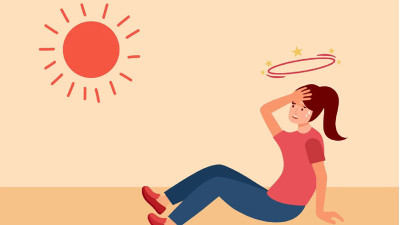
Heat stroke is a severe condition characterized by a dangerously high body temperature, often exceeding 40°C, accompanied by a disruption in the body's heat-regulating mechanisms. This article explores the effects of heat stroke on health and provides crucial preventive measures to mitigate its risks.Effects of heat stroke on health
Dehydration
Heat stroke causes excessive sweating, leading to dehydration. Severe dehydration can result in dizziness, fatigue, dry mouth, and decreased urine output. In extreme cases, it can even lead to organ failure.Heat exhaustion
If left untreated, heat exhaustion can progress to heat stroke. Symptoms include heavy sweating, rapid pulse, nausea, headache, and muscle cramps. It is important to address heat exhaustion promptly to prevent it from escalating to a life-threatening condition.Central Nervous System dysfunction
Heat stroke affects the central nervous system, leading to altered mental status, confusion, irritability, disorientation, seizures, and even coma. The high body temperature can cause damage to the brain, potentially leading to long-term neurological complications.Cardiovascular strain
Heat stroke puts immense stress on the cardiovascular system. The heart has to work harder to circulate blood, increasing the risk of heart attack, irregular heart rhythms, and other cardiovascular complications. Those with pre-existing heart conditions are particularly vulnerable.Multi-organ damage
Prolonged heat stroke can cause damage to various organs, including the liver, kidneys, and muscles. These complications can have long-lasting effects on overall health and well-being.
Are sunstroke and heat stroke the same?
Sunstroke
As the term suggests, this is the impact of the excessive heat of the sun on the head, particularly the brain.Sun stroke meaning, could therefore be inferred as the stroke or attack of the sun’s heat that affects the brain. Sun stroke occurs due to direct exposure to the sun.
Sun stroke symptoms usually include:
- headache
- nausea
- confusion
- high body temperature
- extreme thirst
- loss of consciousness
- muscle weakness
- trouble breathing
Heat stroke
A heat stroke differs from sun stroke as it affects the body’s homeostatic process and is often fatal. Heat stroke can even occur without direct exposure to the sun, especially if the temperatures are abnormally high. You should know the signs of heat stroke, whether you have suffered one or not.How do I know if I had a heat stroke?
If you experience symptoms quite similar to those of a sun stroke but have not been exposed directly to the sun, it could mean that you have suffered a heat stroke, which is potentially fatal. Signs of heat stroke include- high body temperature that is more than 40 degrees
- headache
- confusion
- nausea
- body ache
- profuse sweating
- irregular heartbeat
- fainting spells
Prevention of heat stroke
Stay hydrated
Drink plenty of fluids, even if you don't feel thirsty. Opt for water, sports drinks, or electrolyte solutions to replenish lost minerals.
Dress appropriately
Wear loose-fitting, lightweight, and light-coloured clothing to allow air circulation and reflect sunlight. Protect your head with a wide-brimmed hat and use sunglasses to shield your eyes.Seek shade
Limit your exposure to direct sunlight, especially during peak hours (10 am-4pm). Find shade or take breaks in cool, well-ventilated areas.Cool your environment
Use fans, air conditioners, or cool towels to lower the temperature indoors.If you lack air conditioning, consider visiting public spaces that provide cooling facilities.
Avoid strenuous activities
Minimize physical exertion, especially during extreme heat. If you must engage in outdoor activities, schedule them during cooler parts of the day and take frequent breaks in shaded areas.Check on vulnerable individuals
Keep an eye on infants, children, older adults, and individuals with chronic illnesses, as they are more susceptible to heat-related complications. Offer assistance and ensure they are staying cool and hydrated.Never leave anyone in a locked vehicle
Car temperatures can skyrocket within minutes, posing a grave risk of heat stroke and even death. Never leave children, pets, or anyone else unattended in a parked car.Be aware of medications
Certain medications can increase sensitivity to heat or impair the body's ability to regulate temperature. Consult with your healthcare provider to understand any heat-related side effects of your medications.What can you do when someone suffered from a heat stroke?
Everyone needs to be well-versed in heat stroke treatment first aid techniques. Heat stroke treatment first aid methods include
- fan the patient properly
- administer ice packs on his head, neck, armpits, and groin
- hydrate the patient, administering water and electrolytes orally if he is conscious
- avoid caffeine and alcoholic drinks.
Conclusion
Heat stroke is a serious medical emergency that can have severe consequences on an individual's health. By understanding the risks associated with heat stroke and adopting preventive measures, we can protect ourselves and others from the harmful effects of extreme heat.To prevent sunstroke when working outside, it is recommended to dress in lightweight, light-colored, and loose-fitting clothing, along with a wide-brimmed hat.
It is also important to stay hydrated by drinking plenty of fluids, including water and electrolyte-rich sports drinks, especially during extreme heat and humidity.
Limiting physical activity during the hottest parts of the day and taking frequent breaks in the shade to rehydrate and cool down can also help.
To the main pageNext article
