
- Office: Wageningen | Julianastraat 99 | 6707 DC | NL
- Phone: +31 (0)6 5107 9358
- Business hours: Mon-Sun 09.00 - 16.30
- Mail contact: orders@pasioonline.com
- All orders ship Monday through Friday from 9am-16pm. Saturday 10am-14pm. We ship via PostNL and or DPD. Pick-up orders only pre-paid. Probiotics are subject to a no-return policy.



Mon-Fr 9a.m.-6p.m.
Heart disease: what are the differences between men and women?
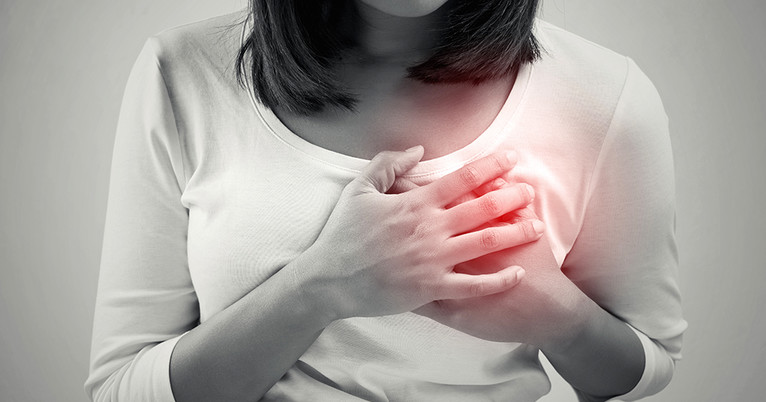
Heart disease: what are the differences between men and women?
For a very long time, women were not taken into consideration when research was conducted on heart diseasae. Nor were they taken seriously when they went to their doctors with health complaints. Yet, among women, heart disease has also become the leading cause of death.
Determining heart disease risk in women
Women and men share many heart disease risk factors, but recent studies are showing what previous male-focused studies have not shown: Women also have their own unique heart disease risk factors.
Traditional risk factors common to both women and men:
- obesity
- smoking
- diabetes
- high blood pressure
- family history
- metabolic syndrome – the co-existence of high blood pressure, obesity, and high glucose and triglyceride levels
- high levels of C-reactive protein – a sign of inflammatory disease that can occur along with other cardiovascular risk factors
Some risk factors that relate specifically to women or that can affect women disproportionately include:
- relatively high testosterone levels prior to menopause
- increasing hypertension during menopause
- autoimmune diseases such as rheumatoid arthritis – more common in women than in men
- stress and depression are more common among women
- low risk factor awareness: lack of recognition of many of the above conditions as risk factors for heart disease is a risk factor in itself
Women have unique heart attack symptoms
A significant challenge for diagnosing women with heart disease is the lack of recognition of symptoms that might be related to heart disease, or that don’t fit into classic definitions. Women can develop symptoms that are subtler and harder to detect as a heart attack, especially if the physician is only looking for the "usual" heart attack symptoms.
Women are much more likely to have atypical heart attack symptoms. While the classical symptoms, such as chest pains, apply to both men and women, women are much more likely to get less common symptoms such as indigestion, shortness of breath, and back pain, sometimes even in the absence of obvious chest discomfort.Here's what scientists are finding out about gender differences and heart disease:
- Women with heart disease may have different symptoms than men. Women may experience the classic symptoms of gripping chest pain, sweating and shortness of breath, but they may also present with vaguer symptoms like generalized discomfort in the chest, breast, back, shoulders, jaw, neck or throat; indigestion; nausea; light-headedness; palpitations; sleep disturbances; and unexplained fatigue.
- Tests that reliably pick up signs of heart damage in men don't always work in women. These range from simple blood tests to exercise stress tests to standard angiograms. Some women don't have the strength to do a full exercise stress test and an incomplete one doesn't work the heart enough to yield truly useful results. Single-vessel heart disease, which is more common in women than in men, may not be picked up on a routine exercise stress test. Women with chest pain and other heart symptoms are more likely than men to have coronary microvascular disease (MVD) even though tests show clear large coronary arteries.
Several recent landmark studies have revealed that more women than men suffer from coronary microvascular disease (MVD). It's estimated that half of the women in the USA with heart disease have coronary MVD.
The diagnosis of coronary MVD poses a unique challenge. Chest pain and other symptoms that the heart muscle isn't getting enough blood have traditionally signaled a narrowing or blockage in one or more of the heart's large arteries — a condition that's easily seen on an angiogram. But in about 50 to 60 percent of symptomatic women and 20 percent of men, the problem lies not in the major arteries but in the smaller branches which are virtually invisible on a standard coronary angiogram. Bottom line, coronary MVD, like traditional coronary artery disease, increases a woman's chance for a heart attack.
Researchers are just beginning to understand coronary MVD. The same risk factors that cause problems with the larger coronary arteries — heredity, age, race, blood pressure, blood cholesterol, obesity and smoking — may also contribute to coronary microvascular disease. Women appear to be more affected by certain factors, such as high blood pressure, smoking and diabetes than men. In addition, there are a host of other risk factors unique to women. Only women become pregnant, experience menopause and are prescribed contraceptive pills and postmenopausal estrogens.
Theories on why the disease may differ in women include the following:
- Low levels of estrogen. Because estrogen plays a role in processing nitric oxide, which helps arteries function properly, the endothelium may suffer when natural estrogen levels wane.
- More inflammation because of an overreaction by the immune system. Inflammation stimulates the body to use cholesterol in the bloodstream as a band-aid to cover up irritated areas in the blood vessels.
- Higher incidence of anemia. Anemia is thought to slow the growth of cells needed to repair damaged blood vessels.
- Lower levels of hemoglobin (a protein in red blood cells that carries oxygen). Hemoglobin deficits may starve the heart muscle and also reduce nitric oxide levels.
- Lower HDL ("good" cholesterol) levels. There is evidence that having low HDL is more predictive of the development of coronary heart disease in women than high LDL ("bad" cholesterol) levels are.
Findings so far have raised as many questions as have been answered, but the work represents a good start in zeroing in on ways to tailor diagnosis specifically for women. Progress has already been made in educating doctors about symptoms that, in the past, were under-recognized or misinterpreted in women. Scientists are focusing on how diagnostic and treatment techniques may need to be changed to improve women's outcomes.
Lower the risk factors you can control
The first step to lowering cardiovascular risk is to raise your awareness of the risk factors and symptoms that are particular to women. The next step is to take actions and practice daily behaviors that lower the risk factors you can control.
- Avoid smoking
- Stick to a healthy diet that is high in fiber and low in processed foods.
- Several times a week, follow a supervised exercise regimen that is both challenging and motivating:
- Benefits of regular exercise include lower blood pressure, lower risk of diabetes, healthier body weight, and stress reduction.
- Exercise at least 3 times per week for at least 30 minutes. Even better, build up to 4-6 times per week for 45 minutes or more.
- Consult with your physician about cardiovascular screening based on your family history and risk factors.
- Keep track of your cholesterol.
Learn more about heart disease risk factors and symptoms that are unique to women
Because heart disease and heart attack symptoms in women sometimes don’t include the “classic” angina or chest pain, it is important to pay attention to your body, and not be shy about asking questions. If you don’t feel right, and especially if you have symptoms such as difficulty breathing, persistent nausea and abdominal pain, or any other unusual symptoms, you should talk to your doctor and not just shrug it off.
Recent posts
- Better fit and fat than lazy and thin? Fit at every size, yet 'fat but healthy’ is a myth!
- Gut health and sleep: can your microbiome keep you up at night?
- Is chewing gum bad for your health? Chewing gum exposes us to microplastics and may ruin dental health
- Radiation from wearable devices, is it a reason for concern?
- Diabetes and heart disease , how they are related and what can you do about it?
- Acute versus chronic pain: what's the difference and how to get rid of it or learn to cope with it?
- How common are spinal or foot abnormalities?
- Why are fertility rates declining around the world?
- What virus have I been affected by? What is the best way to deal with a viral infection?
- On anosmia, the loss of your sense of smell and how to regain the sense of smell naturally
Author
Contents
Language for this blog

- Vestiging: Wageningen | Julianastraat 99 | 6707 DC | NL
- Telefoon: +31 (0)6 5107 9358
- Mail contact: orders@pasioonline.com
- Bestellingen worden gereed gemaakt voor verzending maandag t/m vrijdag tussen 9.00 en 16.00. Zaterdag tussen 10.00 en 14.00 uur. Bij verzending maken wij gebruik van PostNL en DPD. Afhalen alleen na afspraak en vooruitbetaald. Probiotica worden niet retour genomen.
© 1998 - 2026 Mungotedo LLP.