


Forced vegetarianism?! What mistakes should you avoid when starting a plant-based diet
Forced vegetarianism?! What mistakes should you avoid when starting a plant-based diet
As a former vegetarian, I often worry about the carefree attitude of many vegans on the need to responsibly supplement essential nutrients that are missing from most vegan foods. When I do happen to speak to a vegan, my concerns are at best dismissed, saying they consume adequate amounts of protein and obtain extra vitamin B12 in other ways. However, most of the time vegans have no idea what I am talking about.
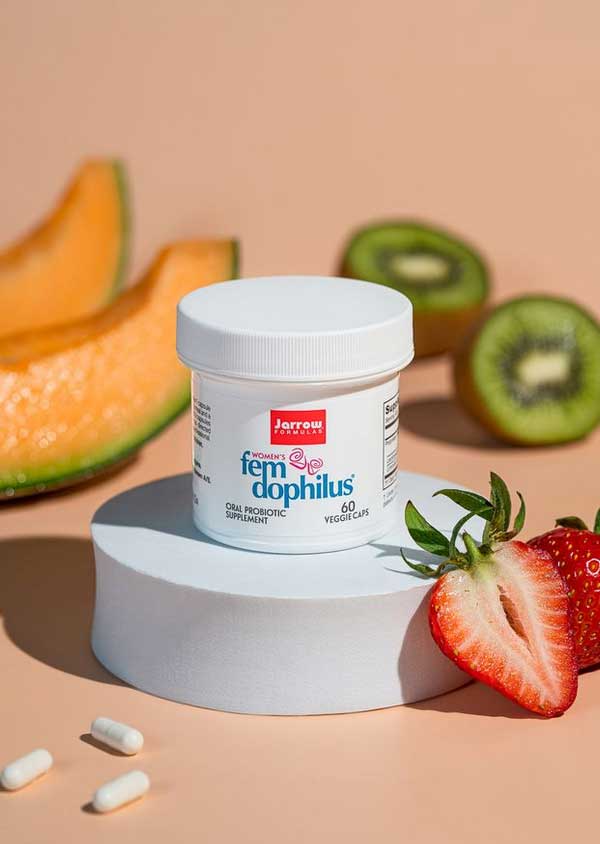
I am not the only one who is worried about the lack of (conditionally) essential nutrients: our colleagues at Power Supplements have created Vega Booster, a wonderful dietary supplement that specifically supplements the missing 'meat nutrients', including creatine, beta-alanine, taurine, carnitine and of course vitamin B12.
There are also other nutrients that will be deficient in a vegan diet, such as omega-3 fatty acids and a number of minerals like zinc and iron.
Unfortunately, Power Supplements also suffers from the same phenomenon, namely that vegans seem to be blind and deaf to the lack of important meat nutrients they suffer with this lifestyle.
Now you will think: what do I care, after all, I am not a vegan! Exactly, that does not apply to us either, but it could very well happen that all of us will be forced to give up a lifestyle with a large intake of animal proteins.
First of all, there is the combination of skyrocketing inflation and ever-increasing energy costs due to the stupid decision to stop using gas in the Netherlands and not to compensate for this energy shortage by immediately building multiple nuclear power stations. After all, no matter how nice the idea is to get energy from wind energy and solar panels, these are expensive, pollute the environment and horizon, are unfriendly to animals and produce so-called 'wobbly current'.
In addition, it is becoming increasingly difficult for farmers to practice their profession: legislation and regulations are becoming increasingly complicated, while they have to compete with cheaper eggs, chicken and meat from abroad, where legislation is more flexible or enforcement is not as strict. Dutch farmers in particular are having a hard time because the requirements imposed on them with regard to nitrogen deposition are absurdly strict compared to legislation in other countries.
A third phenomenon is that more and more companies and institutions are deciding to no longer offer animal protein to their employees, residents or visitors.
Apart from that, it has been warned for decades that meat in particular will become increasingly expensive because too much demand is being made on valuable groundwater and primeval forests are being cut down for soy cultivation.
In short, even if we do not want to change our meat-rich eating habits immediately, we will have to. In that case, it is useful to know how we can best embrace a low-meat diet.
What mistakes should you avoid when starting a plant-based diet
Odds are you've heard the hype about plant-based diets. Plant-forward eating patterns are having a moment, and for a valid reason: They're super good for you.Indeed, swapping meat for plant protein is linked to long-term health and longevity.
But before you hop on the healthy trend, brush up on the dos and don'ts of plant-based eating to help you avoid popular pitfalls that may undermine your nutrition goals — and, potentially, the health benefits.
In this article the five most common mistakes are shared that people make when going plant-based, plus ways to create a plant-focused diet that's both balanced and sustainable.
1. You cut meat entirely
Many people are confused about what plant-focused eating entails.For starters, plant-based doesn't mean you're vegetarian or vegan. It simply means that your diet is made up of mostly foods sourced from plants — like nuts, seeds, oils, whole grains, legumes and beans — and includes dairy and meat in moderation.
That means you don't need to over-restrict your diet. If you have a hankering for grilled chicken, don't deprive yourself — just reduce your portions a bit.
Focus on thinking of meat as more of a garnish rather than the centerpiece of your dish.
2. You don’t get enough nutrients
With a wide variety of food options at your fingertips, technically, you shouldn't run into any nutrient deficiencies. That being said, if you're drastically reducing meat and dairy, you might have trouble getting enough B12, iron, zinc and omega-3 fatty acids in your diet.So, when you transition to a plant-based eating plan, it's important to know where to find the proper nutrients to keep your body balanced and healthy.
Rich in animal foods like meat, dairy, eggs and fish, vitamin B12, which is essential for the formation of healthy cells and neurological functioning, can also be found in nutritional yeast, fortified cereals and plant-based milk. If necessary, you can consider taking a daily supplement.
To get enough iron, which you need for healthy muscles, be sure to incorporate foods like kale, spinach, fortified oatmeal and other cereals, as well as beans, nuts, seeds and dried apricots into your daily menu.
Tip: to increase the absorption of plant-based iron, pair it with a food high in vitamin C, such as bell peppers, citrus fruits, Brussels sprouts and strawberries.
Getting enough zinc is especially vital since it helps support your immune system. You can find it in fortified cereals and soy foods, such as tofu and tempeh, as well as nuts, seeds and beans.
Likewise, you can get your heart-healthy omega-3s from certain nuts and seeds too, as well as from fatty fish like salmon, sardines and herring.
3. You go overboard on carbs and fall short on protein
When you limit meat, it can be hard to get enough protein and easy to load up on quick carbs like bread, baked goods and pasta.
The problem: carbs — especially the processed, refined kinds — can make your blood sugar levels spike, leading to a vicious cycle of cravings and sugar crashes.
Protein, on the other hand, takes longer to digest, helps stabilize your blood sugar levels and keeps your appetite in check.
The takeaway: Pack plenty of plant proteins into your meals. Think about plating half of your dish with veggies, then split the second half between carbs and protein.
Pair your morning cereal with high-protein nut milk, toss beans into your salad or whip up a shake using a plant-based protein powder.
And remember to pack some seeds, nuts or little packs of natural peanut butter in your bag to supplement any meals-on-the-go with a quick boost of protein.
4. You rely on mock meats
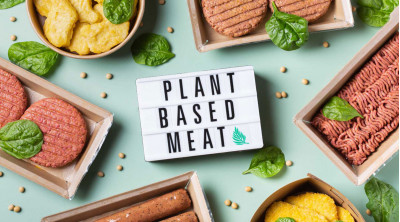
When you transition to a plant-based diet, you might be tempted to hit the faux meat section of the supermarket. Don't do it! Many meat-like products contain heaps of sodium, flavor enhancers and preservatives.And that's not all: Many alternative meats include processed ingredients like fillers and gums. That's why it's always essential to read the nutrition facts label on the back of the package. Pay close attention to the sodium content, saturated fats and protein.
Also, scour the ingredient lists. You want real, whole ingredients, such as whole grains, nuts, peas or soybeans to top the list on your mock meats.
5. You don’t plan ahead
If you don't prep plant-based meals for the week, odds are you won't get enough fruits, veggies and proteins on your dish. Plus, you might over-rely on takeout and packaged foods for a quick solution.
And when you're not adequately prepared, you'll likely fall back on easy, less nutrient-dense options like frozen pizzas, which defeats the purpose of a healthy plant-based diet in the first place.
To avoid this trap, plan meals in advance. On Sunday, think about what you're going to eat for the workweek, and then head to the grocery store.
Since you're eating little to no meat, you'll probably save some cash, which you can then spend on quality produce, nuts, seeds, beans and whole grains.
Keeping your kitchen stocked with these plant-based staples will be a lifesaver on busy nights when you need to whip up a quick meal.
Another trick? Try cooking large batches and freeze portions for another week. A big pot of lentil chili can be the gift that keeps on giving.
Conclusion
Despite the growing trend and health benefits associated with plant-based eating, many vegans overlook essential nutrients that are typically found in animal products.Outside people who are eating a vegan diet for ecological or moral reasons, there may be a potential societal shift towards reduced meat consumption due to economic and regulatory pressures, making it crucial to understand how to maintain a balanced diet.
To avoid common pitfalls, individuals should ensure they obtain necessary nutrients, avoid over-reliance on carbohydrates, and plan their meals effectively.
Properly addressing these concerns can lead to a healthier and more sustainable plant-based lifestyle.
