



Everything you need to know about B-vitamins
Everything you need to know about B-vitamins
A few months ago I came across a really nice YouTube channel of the Dutch former professional cyclist Laurens ten Dam called "Live Slow, Ride Fast", in which cyclists are given tips to get better at (professional) cycling. I wish I had learned more from this at the time I was still active in randonneuring.But as is often the case, you are impressed as long as they talk about topics that you have no knowledge of yourself, but as soon as the topic of nutritional supplements is touched on, you become a lot more critical and you hear where they go wrong.
One topic that stuck was the overdose of vitamin B6, which a few years ago happened to the Olympian skater Sven Kramer. This was also extensively discussed in various consumer programs where they could not do much more than bashing supplements without having looked up any background information. Because, as is often the case, vitamin B6 comes in different forms.
What he and most other people use is the simple, cheap vitamin B6 in the form of pyridoxine HCl, which can apparently build up and cause problems when overdosed.
However, this problem rarely if ever arises with the biologically more available form P5P (pyridoxal-5-phosphate).
That hesitation to take nutritional supplements, and more specifically those that have added vitamin B6 still matters to some people to this day. This is what led me to pay more attention to the various B vitamins, also because unlike other vitamins, there are so many of them!
What are B-vitamins?
The confusion already starts when we want to define what is a true B-vitamin and what not. There is little confusion when it comes to numbered B-vitamins, though some of them have different numbers depending on which country you are (folate) or are better known by their name (biotin).
The following eight B-vitamins are given a number: thiamine (B1), riboflavin (B2), niacin (B3), pantothenic acid (B5), pyridoxine (B6), biotin (B7), folate (B9 in the USA, B11 in the Netherlands) and cobalamin (B12). Together, they are called the vitamin B complex.
Most also consider choline to be a B-vitamin, while inositol and PABA (Para-AminoBenzoic Acid) are not officially recognized as such, but are included in most decent vitamin B-complex supplements.
Though each of these vitamins has unique functions, they generally help your body produce energy and make important molecules in your cells.
Aside from B12, your body cannot store these vitamins for long periods, so you have to replenish them regularly through food.
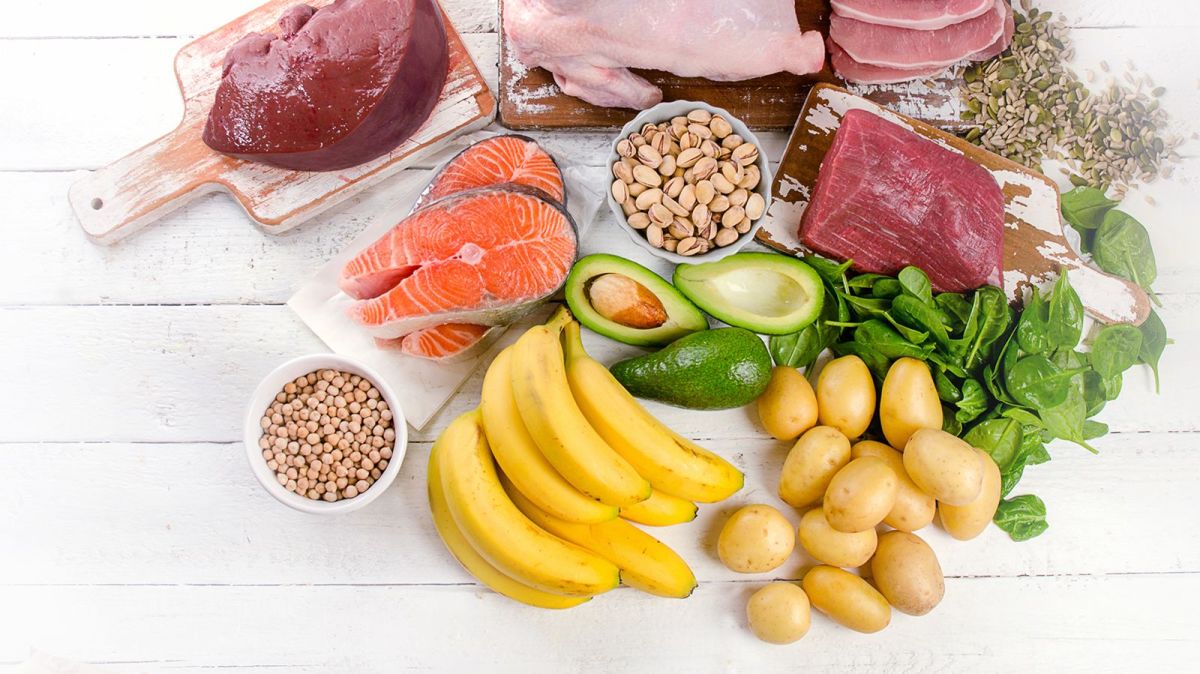
Many foods provide B vitamins, but to be considered high in a vitamin, a food must contain at least 20% of the Reference Daily Intake (RDI) per serving. Alternatively, a food that contains 10–19% of the RDI is considered a good source."
B vitamins are important for making sure the body’s cells are functioning properly. They help the body convert food into energy (metabolism), create new blood cells, and maintain healthy skin cells, brain cells, and other body tissues.
B vitamins often occur together in the same foods. Many people can get enough B vitamins by eating a variety of nutrient-dense foods.
However, those who struggle to meet their daily needs can use supplements.
People may develop B vitamin deficiencies if they do not get enough of the vitamins from their diet or supplements. They may also have a deficiency if their body cannot absorb nutrients properly, or if their body eliminates too much of them due to certain health conditions or medications.
A closer look at each B-vitamin
Thiamin (vitamin B1)
The heart, liver, kidney, and brain all contain high amounts of thiamin.The body needs thiamin for:
- breaking down sugar (carbohydrate) molecules from food
- creating certain neurotransmitters (brain chemicals)
- producing fatty acids
- synthesizing certain hormones
Thiamin deficiency is not common. However, certain groups of people may not get enough thiamin, including: those with alcohol dependence, older adults, those with HIV or AIDS, diabetes, heart failure or who have had bariatric surgery
A person with a thiamin deficiency may experience:
- weight loss
- little or no appetite
- memory problems or confusion
- heart problems
- tingling and numbness in the hands and feet
- loss of muscle mass
- poor reflexes
Alcohol dependence can cause a person to develop a thiamin deficiency. This can cause Korsakoff syndrome, which may result in tingling and numbness in the hands and feet, memory loss, and confusion.
Thiamine supplementation is very safe and a UL (upper limit) has not been established. The RDA is 1.1 mg/day for adults (1.4 mg/day during pregnancy; 1.7 mg/day during breast-feeding).
A therapeutic dose can be 100 up to 300 mg of thiamine per day.
Benfotiamine is a natural form of thiamin (vitamin B1) that has been proven to be 5 times more absorbable than regular thiamin and has better penetration through cellular membranes. The benefit of benfotiamine centers around its ability to block a harmful process in the body called protein glycation, which creates Advanced Glycation End-products (AGEs), a role that is not shared by thiamin.
Sulbutiamine is another form of thiamin which is very well absorbed into both muscle and brain cells , where it increases the energy (ATP) production and by consequence, also muscle strength, concentration and memory function in the brain.
Both sulbutiamine and benfotamine were among the first niche supplements Pasio Ingredients put onto the market in 2007. They are currently available in products by AOR.
Riboflavin (vitamin B2)
Riboflavin is essential for:- energy production
- helping the body break down fats, drugs, and steroid hormones
- converting tryptophan into niacin (vitamin B3)
- converting vitamin B6 into a coenzyme that the body needs
Riboflavin deficiency is rare but may occur when a person has an endocrine disorder, such as thyroid problems, or certain other conditions.
A person who is deficient in riboflavin may experience:
- skin disorders
- sores at the corners of the mouth
- swelling of the mouth and throat
- swollen, cracked lips
- hair loss
- red, itchy eyes
Having a severe riboflavin deficiency can lead to anemia and cataracts. Being riboflavin deficient during pregnancy can create a higher risk certain birth defects.
People at highest risk of riboflavin deficiency include:
- those following a vegan diet or who do not consume dairy products
- athletes who do not eat meat, especially those who also do not eat dairy or other animal products
- women who are pregnant or lactating, especially those who do not consume meat or dairy products
There are no known toxic effects or side effects of riboflavin and a safe upper intake limit (UL) has not been established. Riboflavin supplementation can cause a (harmless) clear yellow discoloration of the urine.
The conversion of riboflavin into the biologically active coenzymes is dependent on thyroid hormone. In people with hypothyroidism and some other diseases, homocysteine levels have been observed to rise due to a decrease in the synthesis of these coenzymes. In that case, supplementation with riboflavin-5'-phosphate (the natural form of vitamin B2 in food) is preferable to riboflavin.
Niacin or niacinamide (vitamin B3)
The body converts niacin into a coenzyme called nicotinamide adenine dinucleotide (NAD). NAD is a necessary part of more than 400 different enzyme reactions in the body, the highest of all vitamin-derived co-enzymes. These enzymes help with:- changing the energy in carbohydrates, fats, and proteins into a form the body can use
- metabolic processes in the body’s cells
- communication among cells
- expression of DNA in cells
Plant-based foods including nuts, legumes, and grains contain a natural form of niacin that the body cannot use as easily.
Getting too little niacin can cause a niacin deficiency. Severe niacin deficiency leads to pellagra, which may cause:
- brown discoloration on skin exposed to sunlight
- patches of skin with a rough appearance
- a bright red tongue
- vomiting, diarrhea, or constipation
- headache
- fatigue
- depression
People at risk of niacin deficiency include those who have: malnutrition, anorexia nervosa, alcohol use disorder, AIDS, inflammatory bowel disease (IBD), carcinoid syndrome, which causes tumors to develop in the gastrointestinal tract
The average niacin requirement for adults is 5.5 mg NE (niacin equivalents) per 1000 kcal per day; the RDA (recommended daily allowance) is 16 mg/day.
The upper intake limit (UL) for niacinamide is 900 mg/day, for niacin 10 mg/day (above this dose, a harmless, but sometimes unpleasant flush may occur).
Pantothenic acid (vitamin B5)
Pantothenic acid is necessary for the body to create new coenzymes, proteins, and fats.Red blood cells carry pantothenic acid throughout the body so it can use the nutrient in a variety of processes for energy and metabolism.
Many foods contain at least some pantothenic acid, but some of the highest amounts are present in: liver, shiitake mushrooms, sunflower seeds, chicken, tuna, avocados
Pantothenic acid deficiency is rare because it is plentiful in many foods. However, it may affect people with severe malnutrition. In such cases, they are usually deficient in other nutrients as well.
Symptoms of deficiency include:
- numbness and burning of the hands and feet
- headache
- irritability
- restlessness and poor sleep
- a lack of appetite
The RDA (recommended daily allowance) of vitamin B5 is 5 mg/day. The toxicity of pantothenic acid is extremely low and a safe upper intake limit for pantothenic acid (UL, upper limit) has therefore not been established.
An alternative to pantothenic acid is pantethine. Pantethine is a derivative of vitamin B5 and the stable disulfate form of pantetheine, which provides the active portion of coenzyme A (CoA), a central “carrier” protein in cellular metabolism.
Pyridoxine (vitamin B6)
Vitamin B6 or pyridoxine, plays a role in more than 100 enzyme reactions. The body needs vitamin B6 for:- amino acid metabolism
- breaking down carbohydrates and fats
- brain development
- immune function
Many deficiencies in vitamin B6 are linked to low levels of vitamin B12.
Vitamin B6 deficiency may cause:
- anemia
- scaling on the lips
- cracks at corners of the mouth
- swollen tongue
- weakened immune system
- confusion
- depression
Vitamin B6 'overdose'
Many people are concerned about possible side effects (particularly neurotoxicity) of vitamin B6 supplementation. The UL (tolerable upper intake level) for vitamin B6 for adults is set at 25 mg/day in Europe and 100 mg/day in the United States.This is because vitamin B6 (particularly pyridoxine) has occasionally caused symptoms of sensory polyneuropathy at a (very) low dose for unclear reasons (stinging in the hands and feet, numbness, reduced sense of touch, unsteady walking, pain in the limbs).
However, the majority of sensory polyneuropathy cases have involved long-term intake of at least 500 mg of vitamin B6 per day (8 mg/kg/day).
The LOAEL (lowest observed adverse effect level) has therefore been set at 500 mg/day.
The maximum dose that is well tolerated by most people and does not cause side effects (NOAL, no observed adverse effect level) is 200 mg/day.
Supplementation with doses of vitamin B6 up to 200 mg/day should therefore rarely cause problems. In practice, however, complaints are sometimes observed at doses lower than the NOAL.
It therefore remains important to pay attention to possible symptoms of sensory neuropathy that have developed after taking vitamin B6 (note: a vitamin B6 deficiency can also cause neuropathy).
The intake of vitamin B6 should then be stopped immediately and the complaints then almost always disappear within a few months.
It is not entirely clear why some people develop neuropathic complaints with a relatively low dose of vitamin B6 (there is also a lack of correlation between neuropathic complaints and blood levels of vitamin B6). The suspected cause is a defective conversion of pyridoxine into pyridoxal-5'-phosphate (P5P), for example due to impaired liver or kidney function or lack of the enzyme, which causes the level of free pyridoxine to rise too much.
Animal studies have shown that a very high dose of pyridoxine is harmful to nervous tissue (neurotoxicity), while other forms of vitamin B6 such as pyridoxal-5'-phosphate are not.
This is one more reason to choose a multi or vitamin B complex with pyridoxal-5'-phosphate.
However, in practice there are also experiences that some people respond better to pyridoxine than to P5P, and that P5P can still cause complaints sporadically. An individual approach and caution when prescribing higher doses of B6 therapeutically remains important.
Biotin (vitamin B7 or vitamin H)
Manufacturers add biotin to many hair, skin, and nail supplements.Some people believe that biotin may help with psoriasis.
The human body needs biotin for:
- breaking down fats, carbohydrates, and protein
- communication among cells in the body
- regulation of DNA
Signs of a biotin deficiency include:
- thinning of the hair
- a scaly rash around eyes, nose, and mouth
- brittle nails
- depression
- fatigue
Deficiency is rare, but the following groups may be more at risk: people with a metabolic disorder called biotinidase deficiency, people with alcohol use disorder, women who are pregnant or lactating.
It is not known exactly how high the biotin requirement is. The adequate intake of biotin for adults is estimated to be 30-100 mcg/day. A higher intake may be necessary for protection of the DNA.
Biotin is a very safe nutrient, even in very high therapeutic doses (up to 200 mg/day is needed in case of hereditary biotinidase deficiency).
Folic acid, folate or 5-MTHF (vitamin B9 USA / B11 NL)
The natural form of vitamin B9 is called folate. Folic acid, which is present in most cheap multivitamin supplements, is a synthetic form of the vitamin.Because most people cannot take in enough leafy green vegetables for the levels needed in pregnancy, it is suggested that all women of reproductive age who wish to conceive take 400 mcg of folate each day, alongside eating a varied diet that contains folate.
When a woman has high enough levels of folate both before and during pregnancy, the fetus has a lower risk of certain birth defects affecting the brain and spinal cord.
Folate is also essential for:
- DNA replication
- metabolism of vitamins
- metabolism of amino acids
- proper cell division
Symptoms of a folate deficiency may include:
- weakness
- headache
- heart palpitations
- irritability
- sores on the tongue or in the mouth
- skin, hair, or nail changes
Preferably, 5-MTHF is taken together with other B vitamins, especially with vitamin B12, vitamin B6 and vitamin B2.
Folate in itself is not very toxic. As with other B vitamins, an excess is excreted in the urine. However, the upper limit for (synthetic) folic acid has been set at 1000 mcg/day, as a higher dose may mask a vitamin B12 deficiency.
Supplementation with 5-MTHF at a dose higher than 1000 mcg/day is probably safe in that respect (yet 5-MTHF also has an upper limit of 1000 mcg/day), especially if sufficient vitamin B12 is supplemented simultaneously.
The RDA for folate is 300 mcg/day, 700 mcg/day before conception, 400 mcg/day during pregnancy and 400 mcg/day when breastfeeding.
Cobalamin (vitamin B12)
Vitamin B12 contains the mineral cobalt and is thererfore called a “cobalamin.” The body uses vitamin B-12 for:- creating new red blood cells
- DNA synthesis
- brain and neurological function
- fat and protein metabolism
People who do not eat animal products may need to get vitamin B12 from supplements.
Vitamin B12 deficiency usually causes a condition called megaloblastic anemia. Symptoms of a vitamin B-12 deficiency can include:
- fatigue
- weight loss
- constipation
- loss of appetite
- numbness and tingling in the hands and feet
- memory problems
- depression
Vegetarians, vegans, and people who are pregnant or lactating may also need extra vitamin B12.
Vitamin B12 occurs in several forms, depending on what is attached to the central cobalt atom: methyl-, adenosyl-, hydroxy-, and cyanocobalamin.
Cyanocobalamin is the synthetic variant widely used in inexpensive dietary supplements and fortified foods.
The advantage of a food supplement with the biologically active (co-enzymatic) forms (methyl- and adenosylcobalamin) is that vitamin B12 is then immediately available to the body.
Research suggests that a greater improvement in cobalamin status occurs after taking methylcobalamin and adenosylcobalamin than after taking cyanocobalamin.
In addition, methylcobalamin can be directly utilized in the body as a methyl donor.
There are indications that supplementation with methyl- and/or adenosylcobalamin leads to better clinical results than supplementation with cyano- and/or hydroxocobalamin.
Vitamin B12 is very safe (including during pregnancy and breastfeeding) and has no side effects, even in very high doses (thousands of micrograms per day). An upper intake limit has therefore not been established.
The amount of vitamin B12 in a good multivitamin and vitamin B-complex is more than sufficient to meet the normal vitamin B12 requirement. The vitamin B12 requirement is probably higher than the current RDA (2.5 mcg/day, pregnancy 3.2 mcg/day, lactation 3.8 mcg/day) and can rise to more than 20 mcg per day.
When we age, vitamin B12 is often less absorbed from food, but from a dietary supplement.
People who eat vegetarian usually get less vitamin B12. In these and other situations where the vitamin B12 intake leaves something to be desired, a multi or vitamin B complex guarantees the intake of sufficient vitamin B12.
An estimated 5 to 10% of the Dutch population has a vitamin B12 deficiency; in the elderly this percentage can rise to 20-30%.
In the case of vitamin B12 malabsorption and specific indications for vitamin B12 supplementation, a separate high-dose vitamin B12 supplement is required.
Choline
In 1998, choline was recognized as an essential nutrient for humans.Choline (after conversion to betaine) is involved as a methyl donor in the homocysteine metabolism.
Methyl donors such as choline affect gene expression through methylation of DNA.
In addition, choline is a precursor of important neurotransmitters such as acetylcholine and membrane phospholipids phosphatidylcholine and sphingomyelin.
Phosphatidylcholine is a component of VLDL-cholesterol and involved in the fat metabolism and removal of fats from the liver.
The betaine formed from choline is important, among other things, for healthy kidney function (reabsorption of water).
Sufficient choline is required during pre- and neonatal development for proper development and maturation of the brain and nervous system.
A choline deficiency during pregnancy increases the risk of neural tube defects, cleft lip and palate and congenital heart defects. Fatty liver, muscle breakdown, anxiety disorder, accelerated atherosclerosis, hyperhomocysteinemia and cognitive decline can (partly) be the result of a choline deficiency.
In food, choline is present in, among other things, eggs, steak, chicken, fish, milk, cauliflower, quinoa, beans and peanuts.
The adequate daily intake for choline is 425 mg/day for women (450 mg/day during pregnancy, 550 mg/day when breastfeeding) and 550 mg/day for men. The safe upper limit of intake is 3500 mg/day.
Inositol and PABA
Inositol and PABA (para-aminobenzoic acid) are often part of a vitamin B-complex, but are not, strictly speaking, essential nutrients. In nature, inositol usually occurs in the form of myo-inositol.Inositol is important for fatty acid metabolism, bile formation, brain function and insulin action.
PABA, an amino acid that is not built into proteins, protects against UV radiation and may help against graying of the hair and hair loss.
Recommendations
B-vitamins each have their own unique functions, but they depend upon one another for proper absorption and the best health benefits. Eating a healthful, varied diet will generally provide all the B vitamins a person needs.People can treat and prevent B vitamin deficiencies by increasing their dietary intake of high-vitamin foods or taking vitamin supplements.
Most multivitamin supplements contain some of each B vitamin, and many provide 100% or more of a person’s daily needs for each vitamin.
People can buy B vitamins as individual supplements if they are deficient in only one type.
In many cases though a full B-complex vitamin supplement may be a better choice, even if a person has just one deficiency.
Most people are deficient in one or more B-vitamins and would benefit from taking a vitamin B-complex.
Recent posts
- Essential nutrients for optimal thyroid function
- Importance of iodine for thyroid and general health
- Two important supplements to combat diabetes: Alpha Lipoic Acid and vitamin D
- Role of vitamin K: what's the difference between the various forms?
- Why everyone over 40 should use co-enzyme Q10 or ubiquinol
- Citrus bergamot, a powerful antioxidant which reduces inflammation and improves blood sugar levels
- Microdosing HHC : what is it, and why is it popular?
- Why is vitamin B5 important for our health? The versatile functions of pantothenic acid or pantethine in our body
- Why you need to think about supplementing vitamin D3 with vitamin K2
- The dangers of paracetamol overdose ; what are safe natural alternatives?
Author
Contents
Language for this blog

- Vestiging: Wageningen | Julianastraat 99 | 6707 DC | NL
- Telefoon: +31 (0)6 5107 9358
- Mail contact: orders@pasioonline.com
- Bestellingen worden gereed gemaakt voor verzending maandag t/m vrijdag tussen 9.00 en 16.00. Zaterdag tussen 10.00 en 14.00 uur. Bij verzending maken wij gebruik van PostNL en DPD. Afhalen alleen na afspraak en vooruitbetaald. Probiotica worden niet retour genomen.