



Acute versus chronic pain: what's the difference and how to get rid of it or learn to cope with it?
Acute versus chronic pain: what's the difference and how to get rid of it or learn to cope with it?
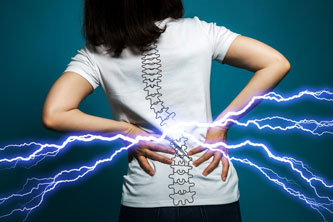
After writing the article on spine and foot abnormalities, I realized to not have said anything about also having a 'weird back' as a result of a bacterial infection which even made its way into my spine and groins. The major reason to not say anything is that while the spine became very inflexible, the injury healed w/o pain.Until just a few days later my back gave out all of a sudden upon making a wrong move when performing a seemingly innocent leg exercise. Ouch and ouch. For almost a full week I had trouble sleeping due to not being able to 'twist and turn' in bed as per usual and of course picking up things from the floor or even getting dressed was painful.
Forgotten was the chronic pain I've been suffering from for quite a long time due to a combination of RSI (shoulder/wrist) and osteoarthritis (hip) as this acute lower back pain was so much worse! It was bad enough to make me wonder whether I had broken something. Fortunately the pain cleared after about a week, during which I felt an urgent need to bask in the sun as much as possible outside working hours which worked both as a mood booster and helped raise vitamin D levels. At night I was pampered by my dear husband who massaged tiger balm with capsaicin on the sore lower back.
Of course, this episode made me wonder about differences between chronic and acute pain.
What is pain?
Pain is an inevitable part of life. It is a signal that alerts us to injury or illness. But when pain persists, it can transition from a helpful warning to a debilitating condition. This article explores the critical differences between acute and chronic pain, their distinct characteristics, underlying causes, and available treatment options. Understanding these distinctions can empower you to seek the appropriate care and manage pain effectively.Pain is an unpleasant sensory and emotional experience associated with actual or potential tissue damage. It serves as a vital warning signal, alerting us to potential harm. It should prompt us to take protective action. While often perceived as purely physical, pain is a complex phenomenon involving intricate interactions between our nerves, spinal cord, and brain.
Defining pain and its purpose
Pain is defined as “an unpleasant sensory and emotional experience associated with, or resembling that associated with, actual or potential tissue damage.” This definition highlights the subjective nature of pain, acknowledging that it is not solely determined by physical injury but also influenced by individual emotions, thoughts, and experiences.
The primary purpose of pain is to protect us. When we experience pain, it signals that something is wrong and motivates us to withdraw from the source of harm, prevent further injury, and seek treatment. This protective mechanism is essential for our survival and well-being.
Nociceptive versus neuropathic pain
Pain can be broadly classified into two main types: nociceptive and neuropathic.Nociceptive pain is the most common type of pain. It arises from the activation of specialized sensory receptors called nociceptors, which detect noxious stimuli such as heat, cold, pressure, and chemical irritants. This type of pain is typically described as sharp, aching, or throbbing and is often localized to the area of injury.
Neuropathic pain results from damage or dysfunction within the nervous system itself. It is often described as burning, shooting, or tingling and may be accompanied by other sensations, such as numbness or hypersensitivity. Neuropathic pain can be challenging to treat and often requires a multidisciplinary approach.
Understanding the different types of pain is crucial for accurate diagnosis and effective pain management.
Acute pain
Acute pain is a type of pain that typically comes on suddenly and has a short duration. It often signals that your body has been injured or is experiencing a health issue. While unpleasant, acute pain serves a crucial protective function, prompting you to address the underlying cause and avoid further harm.Characteristics of acute pain
Several key features characterize acute pain:- sudden onset: it often arises abruptly, frequently in response to a specific event such as an injury, surgery, or illness
- short duration: acute pain generally lasts for a limited period, usually resolving within a few days to a few weeks or once the underlying cause has been treated
- identifiable cause: in most cases, the cause of acute pain can be readily identified. This allows for targeted treatment and effective pain management
Common causes of acute pain
A wide range of conditions and events can trigger acute pain, including:- injury: trauma such as cuts, burns, fractures, and sprains are common causes of acute pain
- surgery: post-operative pain is a natural consequence of surgical procedures as tissues heal
- illness: various illnesses, such as infections, can cause acute pain as a part of the body’s inflammatory response
Treatment options for acute pain
The primary goal of acute pain management is to alleviate discomfort while addressing the underlying cause. Treatment options may include:- medications: over-the-counter pain relievers like ibuprofen or acetaminophen can be effective for mild to moderate pain. For more severe pain, prescription medications may be necessary
- RICE method: for injuries, the RICE method (Rest, Ice, Compression, Elevation) can help reduce pain and inflammation.
- physical therapy: in some cases, physical therapy may be recommended to aid in healing and restore function.
- minimally invasive treatments: for certain types of acute pain, minimally invasive procedures may be considered. These can include injections, nerve blocks, and trigger point injections.
Chronic pain
Chronic pain is a persistent and debilitating condition characterized by pain that lasts for an extended period, typically exceeding the expected healing time of three to six months. Unlike acute pain, which serves as a warning signal, chronic pain often persists even after the underlying injury or illness has healed. It can significantly impact physical and mental well-being, leading to reduced quality of life and functional limitations.Characteristics of chronic pain
Several distinctive features define chronic pain:- persistence: chronic pain is characterized by persistence, often lasting months or even years
- unclear cause: in some cases, the underlying cause of chronic pain may be difficult to identify, making diagnosis and treatment challenging
- impact on quality of life: chronic pain can significantly interfere with daily activities, work, social interactions, and overall well-being. It can lead to fatigue, sleep disturbances, mood changes, and decreased mobility.
Common causes of chronic pain
Chronic pain can arise from a variety of conditions, including:- arthritis: inflammatory conditions like osteoarthritis and rheumatoid arthritis are common causes of chronic pain, affecting joints and causing stiffness and discomfort.
- back pain: persistent back pain can stem from various factors, including muscle strains, disc problems, and spinal stenosis
- nerve damage: neuropathic pain, resulting from damage to the nervous system, can cause burning, shooting, or tingling sensations. Conditions like diabetes and multiple sclerosis can lead to nerve damage.
- fibromyalgia: this chronic, widespread pain condition is characterized by musculoskeletal pain accompanied by fatigue, sleep, memory, and mood issues.
Treatment options for chronic pain
Often, managing chronic pain requires a multidisciplinary approach, encompassing various treatment modalities to address the physical, emotional, and social aspects of the condition. Treatment options may include:- medications: different medications, including analgesics, antidepressants, and anticonvulsants, may be used to manage chronic pain
- physical therapy: physical therapy helps improve strength, flexibility, and range of motion, reducing pain and enhancing physical function
- occupational therapy: occupational therapy focuses on adapting daily activities and work environments to improve functionality and independence
- psychotherapy: cognitive-behavioral therapy (CBT) and other psychological therapies can help individuals develop coping strategies and manage the emotional impact of chronic pain
- alternative therapies: Complementary therapies like acupuncture, massage, and yoga may provide additional pain relief and improve overall well-being
- minimally invasive treatments: For certain types of chronic pain, minimally invasive procedures may offer relief. These include injections, radiofrequency ablation, vertebroplasty, and peripheral nerve stimulation
Effective management of chronic pain requires a comprehensive and individualized approach. By addressing the underlying causes, providing pain relief, and improving coping mechanisms, individuals with chronic pain can regain control of their lives and enhance their quality of life.
The impact of acute and chronic pain
Pain, whether acute or chronic, can significantly impact an individual’s life, extending far beyond physical discomfort. While acute pain serves as a temporary warning signal, prompting us to address an injury or illness, chronic pain persists, often impacting physical and mental well-being and disrupting daily life. Understanding the multifaceted impact of both types of pain is crucial for providing comprehensive support and care.Physical effects
Acute pain:- limited mobility: acute pain can temporarily restrict movement and physical function, hindering the ability to perform everyday tasks. This can lead to muscle stiffness and decreased activity levels.
- disrupted sleep: pain from injuries or illness can disrupt sleep, leading to fatigue and slower healing.
- fatigue: persistent pain can disrupt sleep patterns and drain energy reserves, leading to profound fatigue that interferes with daily activities
- sleep disturbances: pain can make it difficult to fall asleep and stay asleep, leading to insomnia and further exacerbating fatigue.
- decreased mobility: chronic pain can limit movement and physical function, hindering the ability to perform everyday tasks and participate in enjoyable activities. This can lead to muscle weakness, joint stiffness, and decreased overall fitness.
Emotional effects
Acute pain:- anxiety: the sudden onset of pain and uncertainty about its cause or duration can trigger anxiety and fear
- frustration: acute pain can lead to frustration and irritability due to interfering with daily activities
- depression: chronic pain is often accompanied by feelings of hopelessness, sadness, and loss of interest in activities, which are hallmarks of depression
- anxiety: the uncertainty and limitations imposed by chronic pain can trigger anxiety and worry about the future
- irritability: constant pain can lead to increased irritability, frustration, and mood swings, straining relationships with loved ones
Social effects
Acute pain:- temporary social disruption: acute pain may temporarily limit social interactions and participation in activities.
- isolation: the limitations imposed by pain can make it challenging to participate in social activities, leading to social withdrawal and isolation.
- relationship difficulties: chronic pain can strain relationships with family and friends. Irritability, mood changes, and decreased ability to participate in activities can create tension and misunderstandings.
- job loss: chronic pain can cause an inability to perform work duties, leading to job loss or decreased earning potential, further impacting financial stability and self-esteem.
Recognizing the far-reaching impact of both acute and chronic pain is essential for providing comprehensive care that addresses not only the physical symptoms but also the emotional and social consequences. By providing support, resources, and effective coping strategies, individuals with pain can navigate the challenges and improve their overall quality of life.
Living with chronic pain
Living with chronic pain is an ongoing journey that requires adaptation, resilience, and a proactive approach to managing symptoms and maintaining a fulfilling life. While chronic pain can present significant challenges, individuals can learn to cope effectively and improve their overall well-being by adopting a comprehensive approach that encompasses physical, emotional, and social well-being.Coping strategies
Developing effective coping strategies is crucial for navigating the challenges of chronic pain.- stress management techniques:chronic pain often exacerbates stress levels. Stress management techniques such as mindfulness, meditation, deep breathing exercises, and progressive muscle relaxation can help reduce stress and improve coping abilities
- support groups: connecting with others who understand the challenges of living with chronic pain can provide invaluable emotional support and practical advice. Support groups offer a safe space to share experiences, learn coping strategies, and reduce feelings of isolation.
- lifestyle modifications: adjusting daily routines and lifestyle can help manage pain and improve overall well-being. This may include incorporating regular exercise, maintaining a healthy diet, prioritizing sleep, and pacing activities to avoid overexertion.
Importance of self-care
Prioritizing self-care is essential for individuals with chronic pain. Self-care involves engaging in activities that promote physical and emotional well-being, such as:- relaxation techniques: practicing relaxation techniques like taking warm baths, listening to soothing music, or spending time in nature can help reduce stress and promote a sense of calm
- healthy habits: maintaining a healthy lifestyle through regular exercise, balanced nutrition, and adequate sleep can improve physical and mental health and enhance resilience and coping abilities.
- mindful activities: mindfulness activities like yoga, tai chi, or journaling can help cultivate self-awareness, reduce stress, and improve emotional regulation.
Alternative therapies for pain relief
Several alternative therapies may help provide relief from chronic pain. These therapies, often used in conjunction with conventional medical treatments, aim to address pain through various non-pharmacological approaches. Some popular options include:- acupuncture: a traditional Chinese medicine technique that involves inserting thin needles into specific points on the body to stimulate energy flow and promote pain relief.
- massage: by relaxing muscles, improving circulation, and reducing tension, massage therapy can contribute to pain relief.
- yoga and tai chi: mind-body practices that combine physical postures, breathing exercises, and meditation to promote flexibility, strength, and relaxation, which can be beneficial for managing chronic pain.
- chiropractic care: by manually manipulating the spine and joints, chiropractors aim to improve alignment, which could reduce pain and improve overall function.
Dietary supplements that may relieve back, joint, and muscle pain
Chronic pain is a major treatment challenge. It is incredibly common and difficult to treat.
Pain in your back, joints, and muscles – musculoskeletal pain – is caused by a range of lifestyle and genetic factors.
Musculoskeletal pain management is beginning to incorporate more Eastern and Ayurvedic medicine, which focus on natural mind and body treatments using exercise, foods, or herbs, as a complement to Western medicine, which treats physical symptoms with medication or surgery.
While anti-inflammatory OTC drugs such as ibuprofen can be effective for acute pain, long-term use can cause harmful side effects, including kidney and gastrointestinal damage. Some natural supplements can be highly effective for certain conditions, and some have fewer side effects. However, not all supplements are effective or safe for everyone.
Natural medicinal approaches, commonly referred to as complementary medicine, continue to grow in popularity.
Keep in mind that what works for one person might not work for you. While some supplements can complement treatments such as surgery or acupuncture, they should not be combined with each other or anti-inflammatory drugs. Otherwise, you can’t know which treatment, if any, is reducing your pain.
Natural supplements to consider
Alpha lipoic acid
Alpha lipoic acid (ALA) is a chemical that the body produces itself. It has been found to increase blood flow to the nerves, reduce oxidative stress, and improve distal nerve conduction. It has also been found to improve glucose uptake and enhance insulin sensitivity. It has long been approved in Germany for the treatment of diabetic and alcoholic neuropathy. A meta-analysis in 2004 concluded that treatment with ALA for 3 weeks is safe and provides a 24% overall improvement in total symptoms score versus placebo.The dose for prevention of peripheral neuropathy is 100 milligrams, one to two times daily. For active treatment, the dose is 600 milligrams daily or twice daily. Increasing to even higher doses has not been found beneficial. The most common side effects are GI-related, including upset stomach and nausea.
Boswellia
Several studies have shown that the extract from the bark of the Boswellia tree, which is native to India, can improve pain and physical dysfunction caused by chronic diseases such as osteoarthritis or inflammatory bowel disease. Boswellic acid might prevent musculoskeletal pain by interfering with cell-level functions that cause both pain and inflammation.Capsaicin creams (tiger balm)
Topical pain-relief creams can be another great option. For example, capsaicin cream, made from hot chili peppers, can significantly reduce joint pain. It decreases levels of substance P in your body, a natural chemical secreted by nerves and inflammatory cells that sends pain signals to your brain. The benefits of capsaicin cream have been studied extensively, showing a 50% reduction in pain after regular use.Because creams are not systemically absorbed like oral supplements, only a small amount of the substance enters your body. This is especially beneficial to people who experience side effects from certain supplements. Consistent use is key to reducing pain with creams over the long term; they’re not an immediate fix.
Cherry juice extract
Anthocyanin supplies both the red coloring and anti-inflammatory benefits in cherries and other red fruits and vegetables. Most people reap benefits from drinking one glass a day. However, because of its high sugar content, cherry juice is not recommended for diabetic patients.Chondroitin and glucosamine
Chondroitin and glucosamine are two natural substances within your cartilage, which tends to decrease around your joints as you age. Supplements containing these components have been found to reduce pain caused by cartilage loss, with chondroitin improving function and glucosamine improving stiffness.
Both may prevent cartilage destruction, and as such, they have been popular supplements for osteoarthritis.
At this point there is some evidence for the use of glucosamine and chondroitin in the treatment of knee osteoarthritis, but not for other painful conditions. For people with knee osteoarthritis, it may be worth a trial of therapy, keeping in mind the effects may not be seen for 3 months. Dosing for both glucosamine and chondroitin is in the range of 500 milligrams three times daily.
Cannabidiol (CBD) oil
More people are asking about the benefits of CBD oil, and the research is just beginning. Studies show that CBD can help activate the endocannabinoid system within your central nervous system, which helps your body regulate critical functions such as pain, mood, temperature, memory, and appetite.Collagen
The skin elasticity benefits of collagen, a protein made up of amino acids, have long been touted. Less research exists for its anti-inflammatory benefits: some studies suggest it can improve joint pain, while others suggest it can decrease muscle soreness but not inflammation.Collagen is widely available as a capsule as well as a powder or liquid you can mix into food or drinks. Or you can increase your body’s natural collagen level by eating more foods containing protein and vitamin C, such as chicken, fish, eggs, and citrus fruits.
Curcumin/turmeric
A plant from the ginger family, turmeric is often used in South Asian cuisine, such as curry. It contains curcumin, the key ingredient that can help decrease inflammation.Make turmeric part of your daily diet for three to six months to gauge any benefits. If your pain hasn’t decreased after this amount of time, we can try something else
Devil's claw (Harpagophytum procumbens)
Despite the amusing name, this is an herbal supplement with good evidence of effectiveness in pain conditions. A 2007 review of the evidence found five systematic reviews on devils claw with strong evidence of effectiveness for low back pain and osteoarthritis pain of the knee and hip.This effect was not inferior to NSAIDs. The review concluded by stating since there is strong evidence for devils claw, the possible place in the treatment schedule before NSAIDs should be considered.
Doses should be at least 50 milligrams of the harpagoside constituents, which equates to 2.6 grams/day of the root. Effects are dose dependent. It is generally well tolerated.
Energy-related supplements
In some persons, it may be useful to actively try to boost energy levels. This may be useful in helping people to exercise. A general class of herbal medications with this property is known as the adaptogens, such as ashwagandha. There is no data on these supplements specifically in terms of their effects on fibromyalgia or chronic pain. Energy-boosting beverages, which typically contain high doses of caffeine or other stimulant compounds, are not likely to be beneficial.Gamma linoleic acid
Gamma linoleic acid (GLA) is an omega-6 fatty acid found primarily in vegetable oils. Specifically, it is found in evening primrose oil, borage seed oil, and black currant seed oil. A Cochrane review found moderate evidence for effectiveness of GLA in rheumatoid arthritis.Specifically, GLA was found to decrease pain, improve disability scores, and improve overall well-being compared with placebo oils. Doses of GLA varied significantly in these studies, ranging from 500 milligrams to 2,800 milligrams daily.
Magnesium
Magnesium deficiency appears to be more common in people with fibromyalgia, and deficiency is correlated with the presence of fibromyalgia symptoms. Supplementation with magnesium citrate has been shown to reduce the intensity of fibromyalgia symptoms.Magnesium supplements can be calming for some people, so it can be useful to take them before bed. A dose of 400-800 milligrams of supplement is often
recommended. Magnesium oxide should be avoided as a supplement due to its laxative effects. Dietary sources of magnesium includes whole grains, spinach, almonds, soybeans,and avocados.
Omega-3 supplements
Supplementation with omega-3 fatty acids has been found in meta-analyses to improve joint tenderness and morning stiffness in people with rheumatoid arthritis. While efficacy is more established in inflammatory conditions such as rheumatoid arthritis, it is unknown what effect omega-3 supplementation has on pain with less of an inflammatory component.Doses should be standardized based on the amount of EPA and DHA present in the supplement, and should exceed 2 grams per day of EPA and DHA to get the desired benefit. Omega-3 supplements are quite safe and may improve other aspects of health, such as lipid profiles.
PEA (palmitoylethanolamide)
For a more detailed article on PEA palmitoylethanolamide , we refer you to 'Natural alternatives to opioids' but the conclusion is "PEA is an endogenously, and locally produced anti-injury molecule, the sole function of which is to offer immediate protection through down modulating disease processes and acting against noxious stimuli in various systems of the body. The medical potential of this fascinating and undervalued molecule that comes to the body’s rescue when the need arises is worthy of wider attention in the context of ongoing research into the endocannabinoid system. "S-AdenoslyMethionine (SAM-e)
This is a supplement with indications for both depression and osteoarthritis, which makes it an intriguing option for chronic pain. SAMe is a coenzyme present in nearly all the body’s tissues and is involved in dozens of reactions. It ahs several potential mechanisms of action, including having anti-tumor necrosis factor (TNF) effects, improving glutathione uptake, and demonstrating anti-inflammatory properties.However, exactly how it helps depression and OA is not clear. Research has generally been positive with regards to efficacy, but many studies have been limited by size and quality.
A meta-analysis of 11 studies compared SAMe to placebo and NSAIDs. SAMe had an effect comparable to NSAIDs with fewer adverse effects. The analysis was limited due to methodological problems with the included studies.
Given the high coexistence of pain and depression, and given its overall good safety profile, SAMe is a supplement to consider for patients with chronic pain.
The major drawback is cost, as it is quite expensive.
Dosages for depression are typically 400 milligrams, three or four times daily. The dosage for osteoarthritis is 200 milligrams, three times a day.
Sleep-related supplements
Sleep is important to address in fibromyalgia and chronic pain and, as discussed, is often dysfunctional. There are many aspects to addressing healthy sleep, but some dietary supplements may be beneficial.Vitamin D
The relationship between vitamin D deficiency and chronic pain is intriguing, but not yet clear. Epidemiologic studies have correlated low vitamin D levels and chronic musculoskeletal pain, with prevalence in one study exceeding 90%.Vitamin D deficiency is known to cause osteomalacia and a resultant dull, achy pain, which can be either localized or widespread.
Despite the high correlation and a plausible mechanism of contributing to pain states, a recent Cochrane review found poor evidence to support
vitamin D supplementation in chronic pain.
This finding was based on four studies, three of which were deemed of low quality. A similar study published since the Cochrane review on vitamin D supplementation in army veterans showed that it improved pain, sleep, and quality of life.
At this time it seems reasonable to test vitamin D levels in patients with chronic pain and institute a trial of supplementation with low levels, given the safety of supplementation and the potential to have a positive impact on health in other areas in addition to pain.
Willow bark (Salix alba)
Willow bark contains salicin, which is related to aspirin. It has been used for centuries to relieve pain.he mechanism of action is thought to be COX-2 inhibition, similar to aspirin, but without the effects on prostaglandins or coagulation.
There is evidence of efficacy in chronic low back pain. Evidence in osteoarthritis is mixed.
The effect is dose dependent, and the willow bark dosage used in studies was standardized to 240 milligrams of salicin.
Conclusion
Understanding the difference between acute and chronic pain is crucial for effectively managing pain and improving one’s quality of life. While acute pain serves as a temporary warning signal, prompting us to address an injury or illness, chronic pain persists, often impacting physical and emotional well-being and disrupting daily life.By recognizing the distinct characteristics of each type of pain, patients can seek appropriate medical care and explore various treatment options. From medications and physical therapy to alternative therapies and psychological support, a multidisciplinary approach is often necessary to effectively manage chronic pain and improve overall well-being.
Recent posts
- Better fit and fat than lazy and thin? Fit at every size, yet 'fat but healthy’ is a myth!
- Gut health and sleep: can your microbiome keep you up at night?
- Is chewing gum bad for your health? Chewing gum exposes us to microplastics and may ruin dental health
- Radiation from wearable devices, is it a reason for concern?
- Diabetes and heart disease , how they are related and what can you do about it?
- Acute versus chronic pain: what's the difference and how to get rid of it or learn to cope with it?
- How common are spinal or foot abnormalities?
- Why are fertility rates declining around the world?
- What virus have I been affected by? What is the best way to deal with a viral infection?
- On anosmia, the loss of your sense of smell and how to regain the sense of smell naturally
Author
Contents
Language for this blog

- Vestiging: Wageningen | Julianastraat 99 | 6707 DC | NL
- Telefoon: +31 (0)6 5107 9358
- Mail contact: orders@pasioonline.com
- Bestellingen worden gereed gemaakt voor verzending maandag t/m vrijdag tussen 9.00 en 16.00. Zaterdag tussen 10.00 en 14.00 uur. Bij verzending maken wij gebruik van PostNL en DPD. Afhalen alleen na afspraak en vooruitbetaald. Probiotica worden niet retour genomen.