



Essential nutrients for optimal thyroid function
Dec 14, 2025ir. Yvana van den HorkRelaxation and sleep, Liver & detox, Digestion & digestive tract, Minerals, Cell replication, Joints, Hormones
Essential nutrients for optimal thyroid function
In our previous article we described how important iodine is for thyroid and general health, focusing mostly on kelp and seaweed as a source of iodine.
In practice, most people don't eat seaweed or kelp, but get most of their iodine from other food sources like iodized table salt or milk. However, lately milk has consumption has gone down to be substituted by vegan alternatives that aren't fortified.
Apart from iodine, there are many more micronutrients which are important for thyroid health, so we want to focus more on those.
Plus tell more about thyroid function in the simplest way possible.
The basics of thyroid function
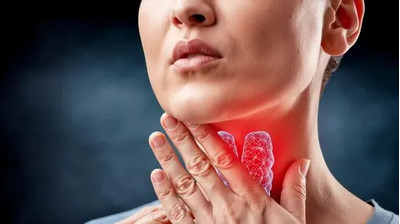
The thyroid gland, a butterfly-shaped organ located on your neck just under your voice box, produces the hormones triiodothyronine (T3) and thyroxine (T4). These interact with other hormones, such as insulin, cortisol and sex hormones, as well as various organs, including the cardiovascular, nervous, digestive and reproductive systems, contributing to their proper function.
The hormone-secretion process begins with the hypothalamus, which releases thyrotropin-releasing hormone (TRH). TRH stimulates the pituitary gland to secrete thyroid-stimulating hormone (TSH), which then prompts the thyroid gland to release T4. Approximately 90% of the thyroid hormone released is in the inactive form of T4.
Your liver plays a crucial role in converting T4 into T3, the active form, with the help of specific enzymes. T3 is essential for regulating the metabolism of every cell in your body, directly influencing processes such as fat burning and energy production.
When everything is working properly, your body makes just enough T4 to be efficiently converted to T3. However, there are many factors that can inhibit this process, including impaired liver function, stress and excessive levels of cortisol, estrogen, polyunsaturated fatty acids (PUFAs) and endotoxins.
Inefficient conversion of T4 to T3 can lead to hypothyroidism, which affects more people than hyperthyroidism. Hypothyroidism is characterized by a slowed metabolism, contributing to symptoms such as weight gain, fatigue, sensitivity to cold, dry skin, hair loss, bowel problems, edema, brain fog, anxiety and depression.
Given the thyroid's influence on numerous bodily functions, an imbalance can also trigger or exacerbate a wide range of issues in other parts of your body. These may include fibromyalgia, irritable bowel syndrome, eczema, gum disease and various autoimmune disorders, to name a few.
Fortunately, thyroid hormone imbalances are both treatable and preventable. Your diet is crucial for maintaining this gland’s healthy function. Understanding which foods are beneficial for your thyroid and which ones can disrupt its balance is essential for supporting not only your hormonal health but also your overall well-being.
How to assess the health of your thyroid
A simple method to assess your thyroid function is by measuring your body temperature upon waking in the morning. This approach works because higher tissue levels of T3 correlate with a faster metabolic rate, resulting in elevated body temperature and pulse rate.
If your morning body temperature is around 36,7°C, it means you have a healthy thyroid. By midday, aim for a temperature of approximately 37°C, accompanied by a pulse rate between 60 and 100 beats per minute, showing a healthy metabolic response.
Having a consistently low body temperature and pulse rate could mean that you have a sluggish metabolism. If your temperature drops after breakfast, that’s another bad sign indicating reliance on stress hormones, which can be harmful to your health.
If you’re having your doctor assess your thyroid function, a common test they might order is the TSH test, which measures the level of TSH in your blood. It's important to note that while a low TSH level is generally desirable, it can sometimes be suppressed by cortisol and adrenaline. Checking your temperature and pulse after meals provides further insights into your thyroid function.
Even with normal lab results, abnormal body temperature and pulse readings can indicate subclinical hypothyroidism. Additionally, a cholesterol test can offer valuable clues. Elevated cholesterol levels may indicate poor thyroid conversion of cholesterol into steroid hormones. Low cholesterol levels, on the other hand, could signal an underlying infection.
Key nutrients to support optimal thyroid health
When you think to have a suboptimal working thyroid, it may be a good starting point to make a few dietary adjustments as it’s a noninvasive approach that can yield significant benefits without the need for medication or more intensive interventions.
The following micronutrients support thyroid function
Vitamin D
Vitamin D plays a supportive role in thyroid function, though its exact impact is still being researched.
Optimal vitamin D levels help lower anti-thyroid antibodies in autoimmune conditions and reduced TSH levels in hypothyroid patients, which indicates an improvement in their thyroid hormone production.
Vitamin D may also have protective effects against thyroid cancer progression.
There´s a correlation between vitamin D deficiency and an increased risk of having or developing hypothyroidism, elevated thyroid antibody titers and thyroid cancer … Normal physiological vitamin D concentrations appear to be required for optimal thyroid function.
Ideally, the most efficient way to increase your vitamin D levels is through sensible sun exposure. Sadly, this doesn´t provide enough vitamin D in winter.
Zinc
Zinc is an essential mineral that plays a role in thyroid hormone synthesis, metabolism and function. A deficiency in this nutrient has been linked to hypothyroidism.
There´s a positive correlation between zinc concentration and volume of thyroid, as well as thyroid antibodies in patients with thyroid-related autoimmune conditions.
Some good dietary sources of zinc include grass fed meat and dairy products, organic eggs from chickens fed a low-poly-unsaturated fat (PUFA) diet, broccoli and blueberries.
While nuts and seeds are often recommended for their zinc content, they also contain high amounts of PUFAs, which can counteract any benefits they may have to offer.
Selenium
The thyroid gland has the highest concentration of selenium in your body. It plays a role in thyroid hormone biosynthesis and metabolism, and a deficiency has been linked to increased thyroid volume (particularly in women), decreased conversion of T4 to T3, as well as an increased risk of autoimmune hypothyroidism and Graves’ disease.
The anticancer effect of selenium can selectively induce apoptosis of cancer cells without causing significant damage to normal cells. Therefore, the fluctuation of Selenium levels can affect the normal physiological process of thyroid gland and promote the development of pathological processes, including cancer.
You can obtain selenium from organ meats, especially beef liver, organic eggs, grass fed meat and dairy, and bananas. Brazil nuts are often recommended as a rich source of selenium, but like other seeds and nuts, they’re high in PUFAs.
Iodine
Iodine and selenium play a synergistic role in your body. Excessive iodine levels can reduce selenium concentration and selenoprotein production in the thyroid, which can impact thyroid function, as selenoproteins are important in the conversion of thyroid hormones and in protecting the thyroid gland from oxidative stress.
It also helps mitigate the effects of excess iodine, as it protects your thyroid gland from inflammation, scarring and damage.
Conversely, low iodine intake is associated with excessive levels of selenium in the thyroid, higher selenoprotein expression and elevated blood selenium markers.
Excessive selenium levels then exacerbate the effects of iodine deficiency, which include decreased thyroid hormone production and thyroid dysfunction. Adequate iodine levels should be established before increasing selenium intake.
Foods that contain higher amounts of iodine include sea vegetables, such as kelp, kombu and wakame.
Kelp has the highest amount of any food and just one serving gives you four times the recommended daily allowance.
Organic, grass fed butter is another good source of iodine. Iodized salt can also help increase your levels if you don’t avoid eating it in the mistaken belief that it’s bad for your heart.
Magnesium
Magnesium is an essential cofactor in numerous enzymatic reactions involved in thyroid hormone synthesis and metabolism.
It facilitates the conversion of thyroxine (T4) to triiodothyronine (T3)
Magnesium also influences the sensitivity of thyroid hormone receptors in target tissues.
The researchers also found that individuals with low magnesium levels exhibit high levels of anti-thyroid antibodies (TPOAb and TGAb), which are markers for thyroid dysfunction.
Some good dietary sources of magnesium include dark chocolate, well-cooked dark leafy greens, well-cooked potatoes (peeled and boiled) and plain organic yogurt, to name a few.
Avocados are also rich in magnesium, but they’re also high in monounsaturated fat (MUFAs), which can harm your metabolic function if consumed in excess.
Vitamin B12
Low vitamin B12 levels have been associated with a higher risk of autoimmune thyroid diseases and high levels of anti-thyroid antibodies.
The vitamin B12 level correlates significantly to autoimmune thyroid diseases.
Vitamin B12 is found almost exclusively in animal foods, such as grass fed beef and beef liver, lamb, organic eggs and grass fed dairy products. The few plant foods that are sources of B12 are actually B12 analogs that block the uptake of true B12, so do not make the mistake of thinking you can rely on vegan sources for all your B12 needs.
If you rarely eat the foods listed, consider using nutritional yeast. It’s high in B12 and has a cheesy flavor that can work well on any number of dishes. One 16-gram serving (just over 2 tablespoons) provides 24 micrograms of natural vitamin B12.
Advancing age can diminish your body’s ability to absorb B12 from food, so you might want to consider supplementation as you get older.
High-quality protein
Protein helps support the activity of the hypothalamic-pituitary-thyroid (HPT) axis, which in turn plays a role in thyroid function.
Decreased dietary protein intake disrupts the HPT axis, impairing thyroid function. Conversely, a high-protein diet has been shown to increase T3 levels.
Protein deficiency during pregnancy has also been shown to negatively impact the thyroid development of the fetus, leading to smaller thyroid glands and potential thyroid issues in newborns. Moreover, certain amino acids found in high-protein foods, such as tyrosine, are directly involved in the synthesis of thyroid hormones, underscoring the importance of adequate protein intake for optimal thyroid function.
Recommended protein sources include grass fed beef, whether ground or in collagen-rich cuts like beef shank, beef cheek and oxtail.
Low-PUFA pork hock are good meat choices as well. Incorporating bone broth, collagen powder or gelatin powder into your diet can also provide essential amino acids and high-quality protein to further support your thyroid and overall well-being.
Healthy saturated fats
There's a positive effect from frequent consumption of foods high in saturated fats on thyroid function. Good sources include grass fed butter, ghee, tallow and coconut oil.
Full-fat whole milk, ideally raw, and the dairy products made from it, such as yogurt and cheese, are also good sources of saturated fats.
Polyphenols
The antioxidative actions of polyphenols found in fruits and vegetables can help protect your thyroid gland from oxidative damage.
Seasonal, ripe fruits are excellent choices, as are fresh fruit juices like organic orange juice (that is sweet, not bitter), homemade or high-quality lemonade, and grape juice.
It’s also ideal to incorporate vegetables into your diet, but make sure to cook them thoroughly to increase their nutrient absorption and minimize their potential goitrogenic compounds.
Keep in mind that fruits and vegetables are rich in fiber, which is a complex carbohydrate.
While complex carbs are beneficial for the gut microbiome, this isn't the case if you have an impaired microbiome. In that case, complex carbs can worsen your health by feeding the pathogenic bacteria in your gut.
These pathogenic bacteria produce an endotoxin called lipopolysaccharide, which can impair cellular energy production. If you’re experiencing bowel issues after eating complex carbs, that means your gut isn’t well-equipped to digest them.
To address this problem, you need to improve your mitochondrial function and their ability to produce enough cellular energy. Once you achieve that, you can benefit from complex carbohydrates again.
Until then, slowly incorporate complex carbs into your diet. Start with fresh fruit juices, and once your body can tolerate that, move on to healthy, whole ripe fruits and then onto other more complex carbohydrates.
Avoid these substances to protect your thyroid health
Optimizing thyroid health isn't just about incorporating beneficial foods into your diet — it's equally important to be aware of potential dietary pitfalls, as certain foods and compounds can interfere with thyroid function and hormone production. To manage or avoid thyroid issues, consider limiting or eliminating the following foods from your diet:
Goitrogens
Goitrogens are substances that can interfere with thyroid function by inhibiting the uptake of iodine or interfering with thyroid hormone production. They are found in many plant-based foods and can contribute to a higher risk of goiter or exacerbate thyroid conditions, especially when consumed in large amounts or if iodine intake is insufficient.
Some common goitrogenic foods include raw cruciferous vegetables (such as broccoli, cauliflower and cabbage), soy-based products (such as soy milk, tofu, tempeh, miso and soy sauce) and millet.
This is why it is highly recommended to cook vegetables thoroughly.
Gluten
Known for its inflammatory properties, gluten is found in grains like wheat, rye, barley and triticale, as well as any foods containing these as ingredients.
Adopting a gluten-free diet helps reduce inflammation of the thyroid gland and improve its function, especially in individuals with Hashimoto's thyroiditis, an autoimmune condition that causes goiter and hypothyroidism.
Processed foods
Processed foods are loaded with health-degrading ingredients, such as added sugar (especially fructose), genetically engineered ingredients, unhealthy vegetable oils, processed salt, bromines and other chemical additives. They’re also a major source of PUFAs, including linoleic acid, which can interfere with your cell's ability to use active thyroid hormone.
Damaged fats in ultraprocessed foods can elevate your estrogen levels, which can interfere with normal thyroid function. Hence, avoiding processed foods is a foundational strategy for preserving your thyroid health. To encourage the conversion of T4 to T3, eat a diet of whole, unprocessed or minimally processed foods.
Alcohol
Alcohol can inhibit the release of TRH and TSH, leading to decreased thyroid hormone levels. It can also increase inflammation and oxidative stress, which can further impair thyroid function and exacerbate symptoms of thyroid disorders.
Excessive fiber
If you have a thyroid condition that requires medication, it's important to monitor your fiber intake, as consuming too much fiber can interfere with the absorption of thyroid medicines.
Also be mindful of your coffee and green tea intake, as these beverages have been found to affect the absorption of thyroid drugs as well.
Lectins
Lectins can increase gut permeability (leaky gut) and disrupt the gut microbiome, which can trigger or exacerbate autoimmune responses in conditions like Hashimoto's thyroiditis and Graves’ diseas.
Some of the highest sources of lectins are uncooked beans, peanuts, cashews, whole grains and raw nightshade vegetables.
More ways to protect your thyroid health
In addition to dietary tips, here are additional strategies you can implement to support your body’s optimal thyroid hormone production:
- Avoid exposure to light at night. Nighttime light exposure, such as from shift work or jet lag, interferes with circadian rhythms, potentially increasing the risk for thyroid cancer by affecting hormone levels and metabolic processes.
- Optimize bile acid synthesis. Bile acids upregulate the conversion of T4 to T3. Taurine, pregnenolone and progesterone are all known to facilitate bile acid synthesis.
- Avoid fluoride, perchlorate and flame-retardant chemicals — These chemicals have a very deleterious effect on thyroid hormone.
- Lower excessive estrogen levels. Estrogen dominance and estrogen excess could be among the primary causes of thyroid dysfunction.
- Maintain normal cortisol levels. Excess cortisol, much like estrogen, can disrupt optimal thyroid function.
Summary
The thyroid produces T4 (inactive, ~90%) and T3 (active), regulating metabolism. T4 converts to T3 mainly in the liver; disruptions (stress, poor diet, toxins) can cause inefficient conversion and hypothyroidism (symptoms: fatigue, weight gain, cold sensitivity, brain fog, etc.).
To assess thyroid function, monitor morning temperature (~36.7°C) and pulse; midday ~37°C. Low values suggest sluggish metabolism.
Supportive nutrients are iodine (kelp, grass-fed dairy, iodized salt), selenium (organ meats, eggs, grass-fed meat/dairy), zinc (grass-fed meat/dairy, eggs, broccoli), magnesium (dark chocolate, cooked leafy greens, yogurt), vitamin D (sun exposure, deficiency is linked to hypothyroidism), vitamin B12 (beef liver, eggs, dairy, nutritional yeast), high-quality protein (grass-fed beef, collagen-rich cuts, bone broth), saturated fats (butter, coconut oil, full-fat dairy), polyphenols (ripe fruits/juices, well-cooked vegetables).
Avoid or limit goitrogens (raw cruciferous, soy), gluten, processed foods (high amounts of poly-unsaturated fatty acids, sugars, additives), alcohol, excessive fiber and lectins (legumes).
Additional tips are to avoid nighttime light, fluoride, excess estrogen/cortisol, support bile flow. Prioritize diet as noninvasive first step to improve thyroid health.
To the main pageNext article
