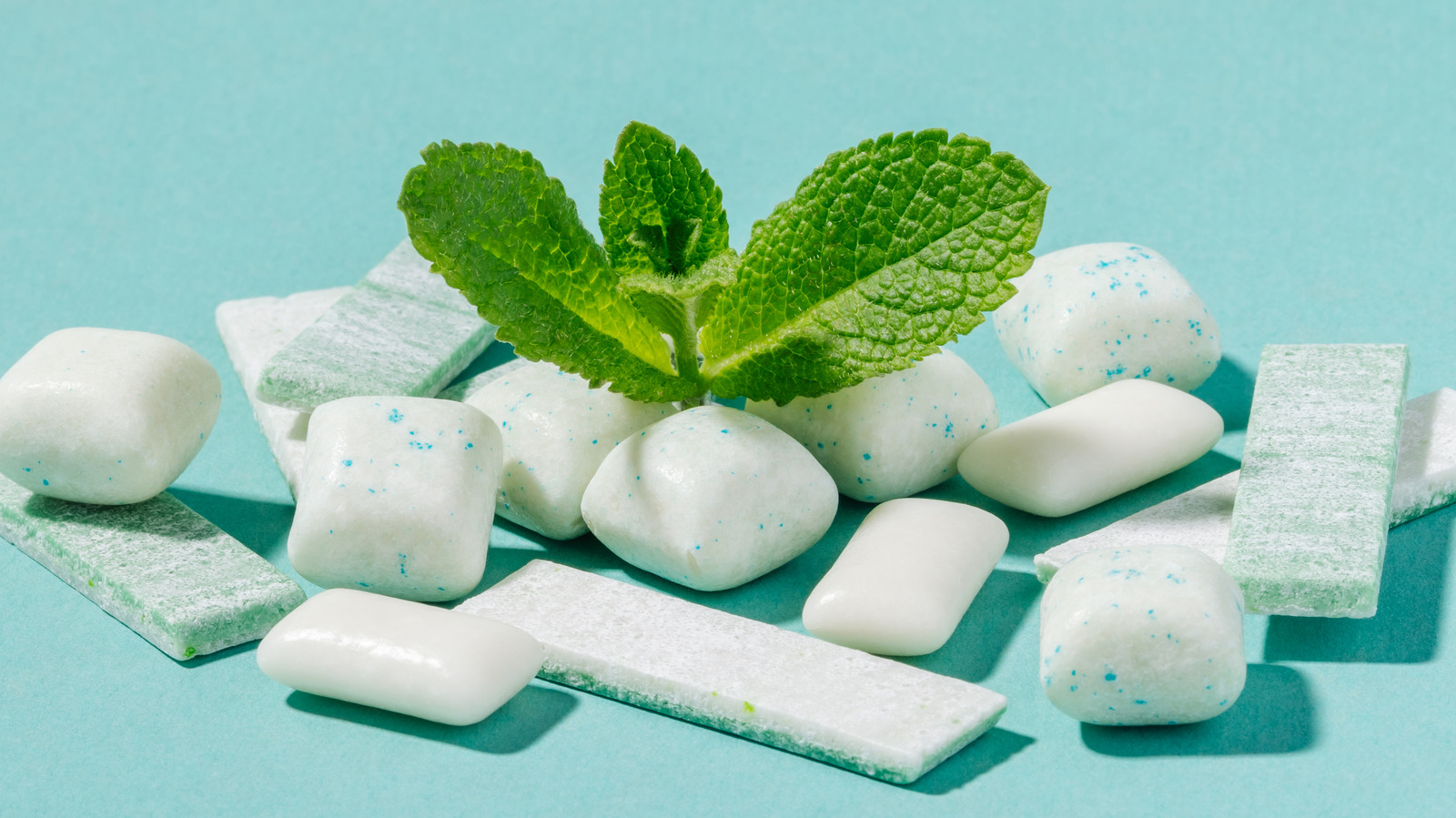
"Did you know there's plastic in your chewing gum?" my partner said to me last week. You should know that I hardly drink any alcohol (at most, low-alcohol beer), don't smoke, and don't have any other strange addictions besides collecting perfume, but I *do* chew at least 3-4 pieces of sugar-free mint gum every day.
You can imagine I was floored when I heard that. "This can't be true!" was my first thought. Unfortunately, it's really true.
This means I'll have to look for plastic-free chewing gum! And that's not everything; according to experts, even sugar-free gum isn't healthy!
Every time you chew gum, you’re not just freshening your breath. You’re also grinding synthetic materials that weren’t meant to go in your mouth. Most gums today are made from industrial-grade plastic compounds designed to mimic the chewiness of rubber. But these substances don’t stay in the gum base. As you chew, they break down into microscopic fragments that mix with your saliva and make their way into your digestive tract.
It doesn’t matter whether your gum is sugar-free or labeled “natural.” The problem is built into the base itself. Whether you chew to stay alert, curb your appetite or calm your nerves, you’re exposing your body to ingredients designed for durability, not digestion. What feels like a quick fix for stress or stale breath could be quietly feeding your system a steady stream of contaminants.
Understanding how gum impacts your health starts with recognizing what it’s made of and how it behaves once inside your mouth. From there, the effects ripple outward — into your jaw, your gut and even your mental clarity.
A feature article published by The New York Times explored how gum impacts more than just your breath.On the surface, chewing gum seems harmless, even helpful. But the benefits come with trade-offs, and some of those trade-offs involve your jaw, your digestion and your exposure to plastics.
Data from a survey of U.S. teens and adults found that 62% had chewed gum in the past six months, averaging roughly one piece per day.
For many people, gum is a daily ritual used to suppress appetite, calm nerves, freshen breath or sharpen mental focus. But while it might give you a temporary lift, it could also be causing strain you don’t feel until it’s too late.
According to renowned dentists, chewing gum boosts saliva output, which helps neutralize acids that wear away your teeth.
Saliva also sweeps away food particles, which may improve breath and reduce bacteria buildup. A 2022 meta-analysis also showed that using xylitol-containing gum or candy three to five times daily after meals reduced cavity risk by 17%. Even if gum helps sweep away food bits and stimulate saliva, however, it shouldn’t take the place of real oral care like brushing and flossing.
Some researchers found that chewing gum during learning improved test performance in a small study.
Other evidence suggests it could help reduce stress in the short term, similar to tapping your fingers or bouncing your leg when nervous. However, there’s no strong evidence showing gum actually improves focus or reduces stress in a lasting way.
Saliva from gum chewing helps neutralize acid in the esophagus, improving symptoms in some people. But for others, chewing relaxes the lower esophageal sphincter — the muscle that keeps stomach acid where it belongs.
When this muscle slackens, acid creeps up into your throat and causes heartburn. Chewing too aggressively also increases air intake, leading to bloating and burping.
Chewing gum is classified as a “parafunctional” activity, meaning it’s outside your body’s normal, necessary chewing function.
Unlike chewing food, which has a clear purpose (breaking down food for digestion) chewing gum creates repetitive stress on your jaw joints and surrounding muscles. The more you chew, the more wear you place on these delicate structures, especially if you already have underlying joint issues.
If you’ve ever felt jaw clicking, soreness, tension headaches, or aching around your ears, you might already be dealing with a temporomandibular joint disorder (TMJ). Gum chewing causes temporomandibular disorders or makes existing conditions worse.
Even small shifts in the TMJ joint position create major discomfort for some individuals. For anyone with a history of clenching or grinding, the added strain from gum makes symptoms worse, not better.
What starts as a casual piece of gum often becomes a source of chronic jaw dysfunction. The clinic noted that excessive chewing disrupts your muscle balance and causes misalignment in your joint and bite.
This imbalance often leads to fractured teeth, frequent headaches and long-term facial muscle fatigue. That’s a steep cost for a habit that most people assume is harmless. For those with TMJ dysfunction, the safest move is to avoid gum entirely.
Chewing gum became wildly popular in the early 1900s, but it didn’t take long for oral health problems to follow. Sugar-fed bacteria in your mouth release acid, which erodes your enamel (the hard protective layer of your teeth).
That erosion creates pathways for bacteria to infect the softer inner layers, sometimes leading to deep decay and root canals.
Chewing gum does increase saliva, which helps people who suffer from dry mouth, a condition that increases risk of cavities and bad breath. But frequent gum chewing isn’t ideal for long-term dry mouth management. Drinking water regularly is a better option, especially for people with chronic dryness due to medications or medical conditions.
It´s a common myth that gum improves focus, mood, or alertness. While some users report subjective benefits, current data doesn’t show strong or consistent results. If you’re reaching for gum to get through a long meeting or resist a snack, there are healthier and more effective ways to support your mental energy.
A pilot study presented at the American Chemical Society set out to measure how much plastic a person ingests from gum. The study tested five synthetic and five “natural” gum brands to track how many plastic particles were released into saliva after chewing.
Surprisingly, gums marketed as “natural” were just as likely to shed plastic as their synthetic counterparts. Each piece released hundreds to thousands of particles during chewing.
The team found an average of 100 plastic particles per gram of gum, but some pieces released as many as 600 per gram. Given that most gum pieces weigh between 2 and 6 grams, that’s up to 3,000 microplastic particles per piece.
Researchers collected saliva samples every 30 seconds during a four-minute chew session, and a separate trial extended chewing to 20 minutes. They found that the vast majority (94%) of the plastic particles detached in the first eight minutes.
The friction from chewing, not enzymes or saliva chemistry, caused the particles to break loose. That means even a single short session of gum chewing is enough to significantly increase your microplastic exposure.
The team identified the types of plastics released, which included varieties used in clothing, food packaging and manufacturing. Many of them are associated with hormone disruption, oxidative stress and inflammation in animal and cell studies.
Based on U.S. chewing habits (roughly 160 to 180 sticks per year) the researchers estimated that an average gum user could ingest 30 000 microplastics annually just from gum. That’s on top of the particles that come from food packaging, bottled water and air.
The researchers acknowledged that their methods only captured particles down to about 20 microns in size. Nanosized particles, which are smaller than a red blood cell, could be present in even greater numbers but were too small for this detection threshold. These smaller plastics are even more concerning because they pass through cell membranes and reach organs, including your brain.
If you chew gum every day, even sugar-free or “natural” brands, you’re likely ingesting thousands of plastic particles you don’t even know are there. The best thing to do right now is cut this source off at the root.
That means removing gum from your routine and replacing it with safer, smarter habits that won’t overload your body with plastics, strain your jaw or disrupt your digestion. Here’s how to make the switch without losing the focus, fresh breath or oral hygiene you were using gum for in the first place:
You don’t need gum to freshen your breath. Try sipping water frequently, oil pulling with coconut oil or chewing on a small piece of raw ginger. These help stimulate saliva without introducing toxic plastics into your system. If you chew gum to manage dry mouth, frequent hydration and nasal breathing throughout the day will support moisture levels more safely.
If you reach for gum after meals to mask odors, switch to a tongue scraper or a quick rinse with baking soda and water. These remove food particles and reduce odor-causing bacteria without grinding your TMJ or weakening your dental work. This is especially important if you’ve had crowns, fillings or braces, since gum chewing loosens or cracks them over time.
If you chew gum out of stress or boredom, swap it with a different type of oral or hand-based rhythm. Try tapping your fingers, holding a smooth stone in your hand, sipping warm tea or doing a slow breathing sequence. The point is to redirect the nervous energy. You’ll still get the comfort, but you’ll avoid the inflammation and joint strain that come with gum chewing.
Gum isn’t what powers your mental clarity, glucose and hydration are. Instead of chewing through an afternoon slump, drink a glass of fresh juice or eat a piece of fruit. Your brain runs best on clean, quick-access carbs, not artificial sweeteners and synthetic plastic. Keeping your blood sugar steady is a far more effective way to stay alert without jaw tension or brain fog.
If you’re trying to reduce toxins in your life, gum deserves the same level of scrutiny as plastic water bottles, food containers or synthetic beauty products. Even gums labeled “natural” still shed plastics into your saliva. So, ditch the daily dose. You’ll lighten your toxic burden and support your long-term energy, hormones and digestion in the process.
Chewing a single piece of gum can release up to 3,000 microplastic particles into your mouth within minutes, with most released in the first 60 seconds
Both synthetic and "natural" chewing gums release similar amounts of plastic particles, which include types used in packaging and automotive parts
Regular gum chewers may ingest around 30,000 plastic particles annually, adding to microplastic exposure from other sources like food packaging and bottled water
Most consumers are unaware that "gum base" contains oil-based synthetic rubbers similar to those used in car tires and plastic bags
Chewing gum is a "parafunctional" activity that causes or worsens TMJ disorders, leading to jaw pain, headaches and even tooth fractures with prolonged use
While gum increases saliva production, which helps neutralize acids and reduce cavity risk, this benefit doesn't outweigh the risks of plastic ingestion and jaw strain
Researchers found that 94% of microplastic particles detach within the first eight minutes of chewing, suggesting even brief gum use significantly increases plastic exposure
Healthier alternatives include sipping water, oil pulling with coconut oil, using tongue scrapers or chewing fresh ginger for breath freshening without the harmful effects